
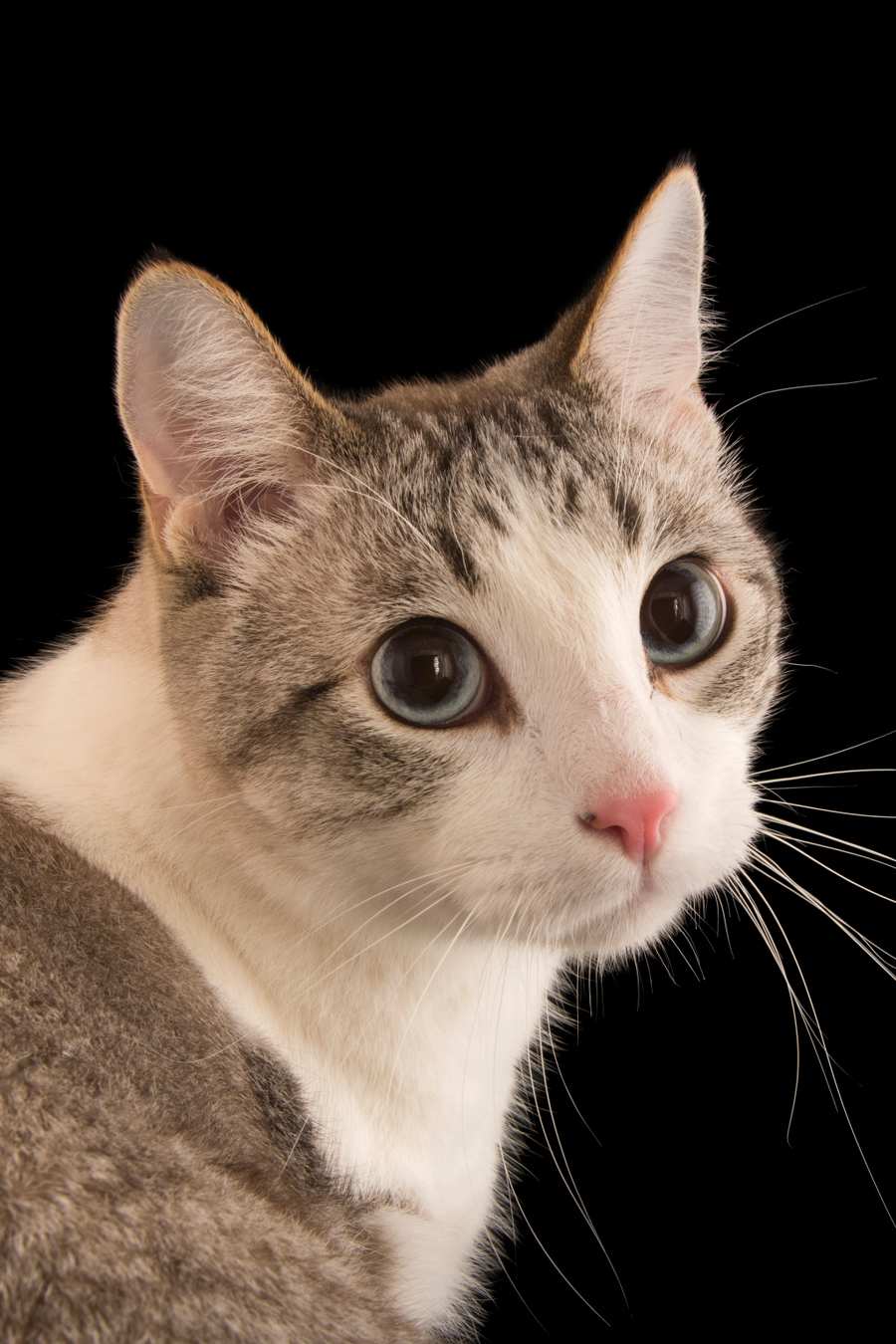
Cats typically aren’t scared of heights; however, individual personalities and experiences can influence their comfort levels.
Cats are fascinating creatures with a unique set of behaviors and instincts. One question that often arises among cat owners is, “Are Cats Scared Of Heights?” This inquiry stems from the observation that while many cats seem to enjoy perching high up on shelves or window sills, some appear hesitant or fearful when faced with significant heights. Understanding this behavior requires a deep dive into the nature of cats, their evolutionary background, and how individual experiences shape their reactions to heights.
The Evolutionary Background of Cats
To grasp why some cats might be apprehensive about heights, it’s essential to consider their evolutionary history. Domestic cats (Felis catus) are descended from wild ancestors that thrived in various environments. These ancestors were natural hunters, often climbing trees to escape predators or stalk prey. This tree-climbing behavior provided a vantage point for spotting threats and opportunities alike.
Over time, this instinct has remained ingrained in domestic cats. They are naturally curious and possess a strong desire to explore their surroundings. Heights can offer an advantageous perspective for observing potential danger or prey. However, not all cats are created equal; some may have had negative experiences at heights that could lead them to be cautious or fearful.
The Role of Individual Personality
Just like humans, each cat has its own personality traits that influence its behavior. Some felines are bold explorers who leap effortlessly onto high surfaces, while others may be more timid and hesitant. A cat’s personality is shaped by various factors, including genetics, early socialization, and environment.
For instance, a kitten raised in a stable environment with plenty of opportunities for climbing and exploration is likely to develop confidence in its abilities. Conversely, a cat that has had limited exposure to heights or has experienced falls may develop an aversion to climbing high places.
Understanding Cat Behavior Around Heights
Cats exhibit a range of behaviors when it comes to heights. Observing these behaviors can provide insight into whether a particular cat is scared of heights or simply cautious.
1. Climbing: Many cats love to climb. If a cat consistently seeks out high places like bookshelves or the top of cabinets, it likely enjoys the height rather than fearing it.
2. Perching: Cats often perch on elevated surfaces to survey their territory. This behavior indicates comfort rather than fear.
3. Hesitation: If a cat approaches a high surface but hesitates before jumping up, it might signal uncertainty about its ability to navigate the height safely.
4. Retreating: A cat that quickly retreats from high places after attempting to jump may have had a negative experience associated with heights.
To illustrate these behaviors further, here’s an HTML table summarizing common feline responses to heights:
| Behavior | Description | Possible Interpretation |
|---|---|---|
| Climbing | Cat actively seeks out high spots. | Comfortable with heights. |
| Perching | Cat sits on elevated surfaces. | Enjoys observing surroundings. |
| Hesitation | Cat pauses before jumping. | Uncertainty about safety. |
| Retreating | Cat backs away from heights. | Past negative experience. |
Key Takeaways: Cats and Heights
➤ Cats’ Comfort Levels Vary: Individual personalities influence height comfort.
➤ Evolutionary Instincts: Climbing is natural for cats, aiding in hunting and safety.
➤ Past Experiences Matter: Traumatic falls can lead to fear of heights in cats.
➤ Socialization is Key: Early exposure to heights builds confidence in kittens.
➤ Certain Breeds Prefer Heights: Breeds like Bengals and Maine Coons enjoy climbing.
➤ Certain Breeds Prefer Heights: Breeds like Bengals and Maine Coons enjoy climbing.
Frequently Asked Questions: Are Cats Scared Of Heights?
Are all cats scared of heights?
No, not all cats are scared of heights. In fact, many cats are natural climbers and enjoy being in elevated positions. This behavior is rooted in their evolutionary background as hunters. They often seek high spots to survey their territory, which provides a sense of security and a vantage point for spotting potential prey or threats.
However, individual personalities play a significant role. Some cats may have had negative experiences with heights, leading to caution or fear. It’s essential to observe each cat’s behavior to understand its comfort level with heights.
What factors influence a cat’s comfort with heights?
A cat’s comfort with heights is influenced by several factors, including its personality, early experiences, and socialization. Cats that are naturally curious and adventurous tend to be more comfortable with climbing and exploring high places.
Additionally, positive experiences during their formative months can build confidence. Conversely, negative experiences, such as falls or injuries from climbing, can lead to a lasting fear of heights. Socialization during kittenhood also plays a critical role in shaping their behavior around elevation.
Can certain cat breeds be more afraid of heights than others?
Yes, certain cat breeds may exhibit different behaviors regarding heights due to their inherent traits. For example, energetic breeds like Bengals and Maine Coons often seek out high spaces for play and observation.
In contrast, breeds like Persians may prefer lower surfaces due to their more laid-back nature. However, it’s important to remember that individual personalities within each breed can vary significantly, so not all members of a breed will behave the same way around heights.
How can I help my cat become more comfortable with heights?
To help your cat feel more comfortable with heights, start by creating safe climbing opportunities. Provide sturdy shelves or cat trees designed for feline exploration. Gradually encourage your cat to explore these areas at its own pace without forcing it into higher spaces.
Using positive reinforcement techniques—such as treats or praise—can also encourage your cat when it engages with elevated areas. Monitoring your cat’s body language is crucial; signs of stress should be noted to ensure the experience remains positive.
What should I do if my cat shows fear of heights?
If your cat shows fear of heights, it’s essential to approach the situation with patience and understanding. Avoid forcing your cat into high places as this can reinforce its fear. Instead, create a low-stress environment where it can explore safely.
Gradual exposure through low-height climbing opportunities can help build confidence over time. Additionally, consulting a veterinarian or animal behaviorist may provide further insights into specific strategies tailored for your cat’s needs.
The Impact of Past Experiences
A cat’s past experiences significantly shape its reaction to heights. A traumatic event—like falling from a height—can instill fear in a feline friend. For example, if a kitten tumbles off a countertop during its first attempts at climbing, it may associate all elevated surfaces with danger.
Conversely, positive experiences can lead to increased confidence around heights. A cat that successfully navigates various climbing challenges without incident will likely feel emboldened by those achievements.
Understanding these behavioral nuances helps clarify why some cats might display fear around certain heights while others seem unfazed.
Socialization plays an essential role in shaping how cats interact with their environment. Kittens learn about their surroundings through exploration and play during the critical early weeks of life. Exposure to different stimuli—including varying elevations—can help build confidence.
Kittens raised in environments where they can safely explore different heights will likely become more comfortable as adults when faced with similar situations. In contrast, those deprived of such opportunities may struggle with newfound vertical challenges later on.
Interestingly enough, certain breeds tend toward specific behaviors regarding height preferences and climbing abilities.
1. Bengal Cats: Known for their energetic nature and athleticism, Bengals often seek out vertical spaces for play and observation.
2. Siamese Cats: These vocal felines enjoy being involved in family activities and frequently climb furniture for interaction.
3. Persian Cats: Typically more laid-back than other breeds, Persians may prefer lower surfaces due to their calm demeanor.
4. Maine Coons: Renowned for their size and strength, Maine Coons often exhibit adventurous climbing habits without fear.
While breed tendencies can influence behavior regarding heights, it’s essential not to generalize too much; individual personalities still prevail within each breed.
If there’s concern about whether a cat is scared of heights or simply cautious around them, there are ways to help build confidence:
1. Create Safe Climbing Opportunities: Provide sturdy shelves or cat trees designed specifically for climbing.
2. Encourage Exploration Gradually: Allow the cat time to explore new spaces at its own pace without forcing it onto higher surfaces.
3. Positive Reinforcement: Reward any attempts made by the cat to engage with elevated areas using treats or praise.
4. Monitor Body Language: Observing signs of stress—like flattened ears or twitching tails—can help gauge comfort levels during exploration.
By fostering an encouraging environment tailored towards gradual exploration rather than imposing challenges too quickly, it’s possible for even timid cats to become more comfortable over time.
The question “Are Cats Scared Of Heights?” reveals much about feline behavior and personality dynamics rather than providing one definitive answer applicable across all felines. While many cats embrace vertical spaces as part of their natural instincts—enjoying the view from above—others exhibit caution due primarily to past experiences or inherent temperament traits.
Understanding these nuances helps foster better relationships between humans and their furry companions while promoting healthier interactions around height-related activities!