
Nothing ruins a ride faster than a horse that cinches up, shies away, or breaks out in girth galls halfway down the trail. The right western cinch means the difference between a fidgety, uncomfortable animal and one that stands square and breathes steady under the saddle. This guide cuts through the marketing to match your rigging, your horse’s build, and your discipline with the exact type of cinch — neoprene, fleece, wool, or latigo leather — that will deliver secure saddle hold day after day.
I’m Mo Mahin — the founder and writer behind Furric. I spend my days digging into the granular specs of equine gear, comparing thread counts, buckle metallurgy, and lining densities across hundreds of owner reviews to surface what actually holds up under real riding pressure.
Whether you are outfitting a sensitive-skinned mare or a hard-working ranch horse, this analysis of the best western cinch options will help you make a confident, comfortable choice.
How To Choose The Best Western Cinch
A cinch is a pressure-distribution tool, not just a strap. The wrong combination of lining, width, and hardware will cause rubs, saddle slip, or even dangerous bucking. Focus on three factors that dominate real-world performance.
Lining material decides comfort
Neoprene offers the strongest non-slip grip and is entirely moisture-resistant, making it ideal for horses that sweat heavily or have a round barrel. Merino wool and alpaca are top choices for horses with sensitive skin because the natural fibers wick moisture and resist heat build-up, but they require more frequent washing. Fleece offers a budget-friendly middle ground — soft against the coat but prone to trapping burrs and holding moisture if not maintained.
Hardware determines longevity
Stainless steel roller buckles are the gold standard. They allow the front cinch to tighten smoothly without binding, reduce wear on the latigo, and resist rust even after repeated washings. Flat steel hardware found on budget cinches works fine for occasional use, but cheaper plated steel will pit and corrode over time in humid trailer or tack-room conditions. The presence of a center D-ring is a practical bonus for attaching a breast collar or training aids.
Length and rigging style match
Cinch length is measured buckle-to-buckle, not edge-to-edge. A cinch that is too long will leave the saddle bars canting sideways; one too short puts pressure behind the elbow and restricts shoulder movement. Full-rigged saddles typically require a 28–30 inch cinch on an average 15-hand horse, while a 7/8 or 3/4 rigging may need a shorter length. Always measure your current cinch hook-to-hook before ordering.
Quick Comparison
On smaller screens, swipe sideways to see the full table.
| Model | Category | Best For | Key Spec | Amazon |
|---|---|---|---|---|
| Professional’s Choice SMX Western Cinch | Neoprene | Grip and anti-galling | 28″ / Waffle neoprene | Amazon |
| Classic Equine Classic Roper Cinch | Alpaca/Mohair | Luxury softness & durability | 28″ / 100% Alpaca | Amazon |
| Professional’s Choice SMX Merino Wool Cinch | Wool | Moisture wicking & comfort | 28″ / Removable Merino liner | Amazon |
| Weaver Leather Felt Lined Deluxe Super Cinch | Leather | Bareback pads & smaller horses | 28″ / 100% wool felt lining | Amazon |
| Intrepid International Western Fleece Cinch | Fleece | Sensitive skin & value | 36″ / 5-layer nylon fleece | Amazon |
| Weaver Leather Latigo with Holes | Latigo Leather | Traditional tie-on rigging | 60″ x 1.5″ / Burgundy leather | Amazon |
| Tough 1 Performers 1st Choice Mini Neoprene Girth | Neoprene | Miniature horses & ponies | 24″ / Waffle weave PVC | Amazon |
In‑Depth Reviews
1. Professional’s Choice SMX Western Cinch
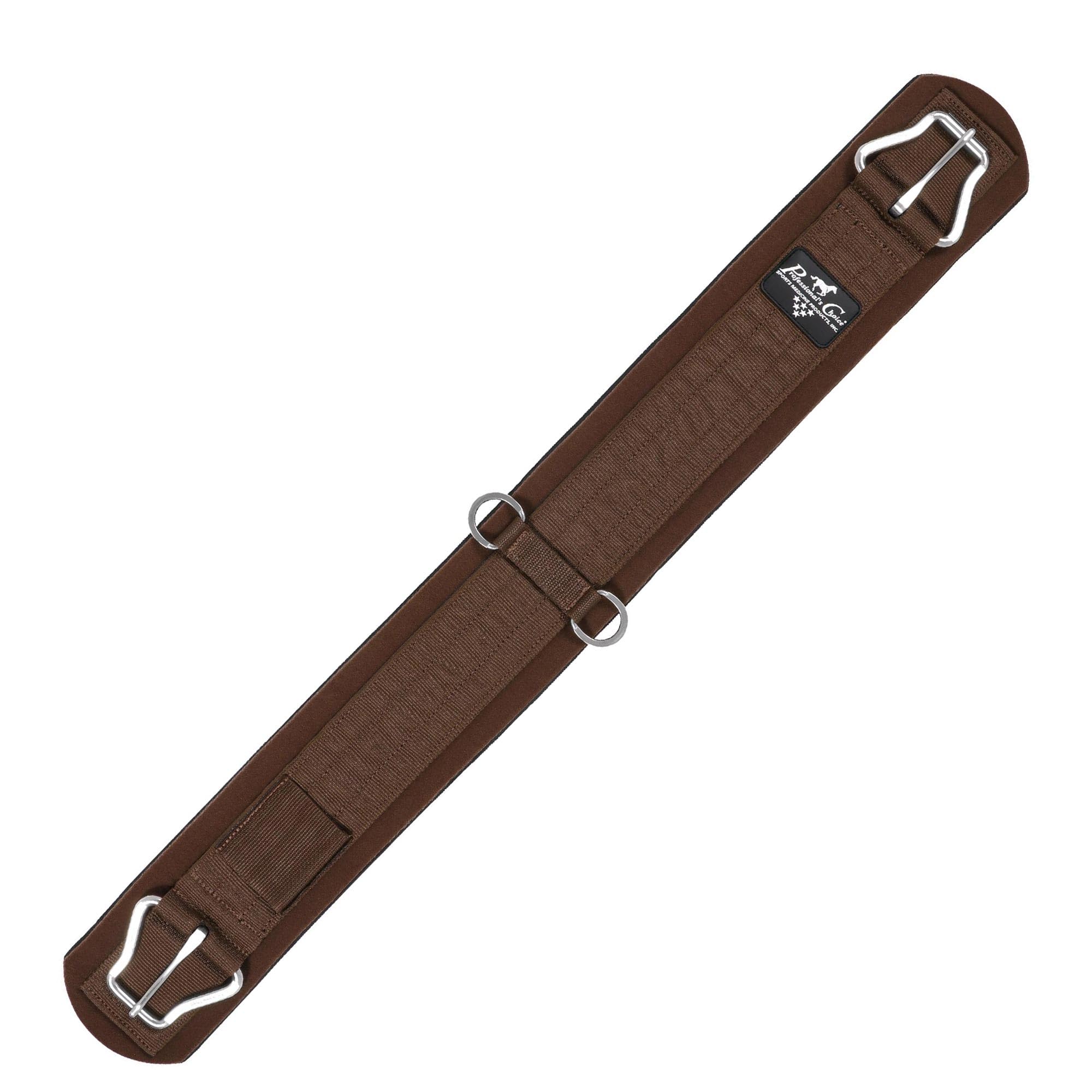
The SMX is the benchmark for neoprene cinches, and after five-plus years of use from multiple verified owners, its longevity is proven. The waffle-textured neoprene acts as a second skin against the horse, creating enough grip to eliminate saddle slide on round-backed horses without absorbing sweat or causing the friction that leads to galls. The stainless steel roller buckle and reinforced center D-ring add confidence when cinching hard for roping or ranch work, and the entire neoprene pad detaches from the webbing for separate washing.
Owners consistently report this cinch solving chronic girth issues that other materials — fleece, mohair, even other neoprenes — failed to fix. One reviewer noted that severe cinching problems resolved within a week of switching to the SMX. The key measurement to know: actual edge-to-edge length is roughly three inches longer than the advertised buckle-to-buckle size, so a 28-inch tag fits a true 32-inch hook-up. Ordering one size down from your normal rigging yields the best result.
The neoprene does show surface flaking after several years of heavy use, but that cosmetic wear does not compromise function. Rinsing after each ride and periodic thorough cleaning extends the life well beyond what most fleece cinches deliver. This is the pick for riders who prioritize non-slip security above all else.
Why we love it
- Waffle neoprene provides unmatched grip without irritating skin
- Stainless steel hardware resists rust and simplifies tightening
- Detachable design makes cleaning fast and thorough
Good to know
- Runs long — order 2 inches shorter than your normal cinch size
- Neoprene may flake cosmetically after multiple years of use
2. Classic Equine Classic Roper Cinch

The Classic Roper cinch represents the upper tier of natural-fiber construction, blending 100% alpaca with mohair for a feel that reviewers consistently describe as softer than cashmere. Alpaca fiber is naturally hollow, which means it wicks moisture away from the skin more effectively than solid-core wool while remaining extremely strong and resilient under load. The dual stainless steel roller buckles allow for smooth, friction-free tightening — a major advantage when you need to cinch up a horse that holds its breath.
Owners of horses with sensitive, thin skin report that this cinch eliminates the “cinchy” behavior that cheaper rayon or synthetic blends cause. The natural fibers do not trap heat, and the construction avoids the stiffness that plague budget fleece models. Several reviewers stress sizing down by two inches from your standard measure, as the bulky alpaca weave makes the cinch fit shorter than a synthetic of the same tag size.
The premium comes at a higher investment, but the trade-off is a cinch that ages gracefully, softens with each ride, and maintains its structure through regular use. It is not a quick-rinse product — the alpaca needs gentle washing with wool-safe soap to avoid felting. For riders who value tactile quality and long-term horse comfort over cost per ride, this is the natural-fiber reference standard.
Why we love it
- Alpaca blend is luxuriously soft and naturally moisture-wicking
- Dual stainless steel roller buckles cinch smoothly every time
- Eliminates girth gall issues for sensitive horses
Good to know
- Requires hand-washing with wool-safe detergent
- Runs slightly large — size down 2 inches for correct fit
3. Professional’s Choice SMX Comfort-Fit Merino Wool Cinch
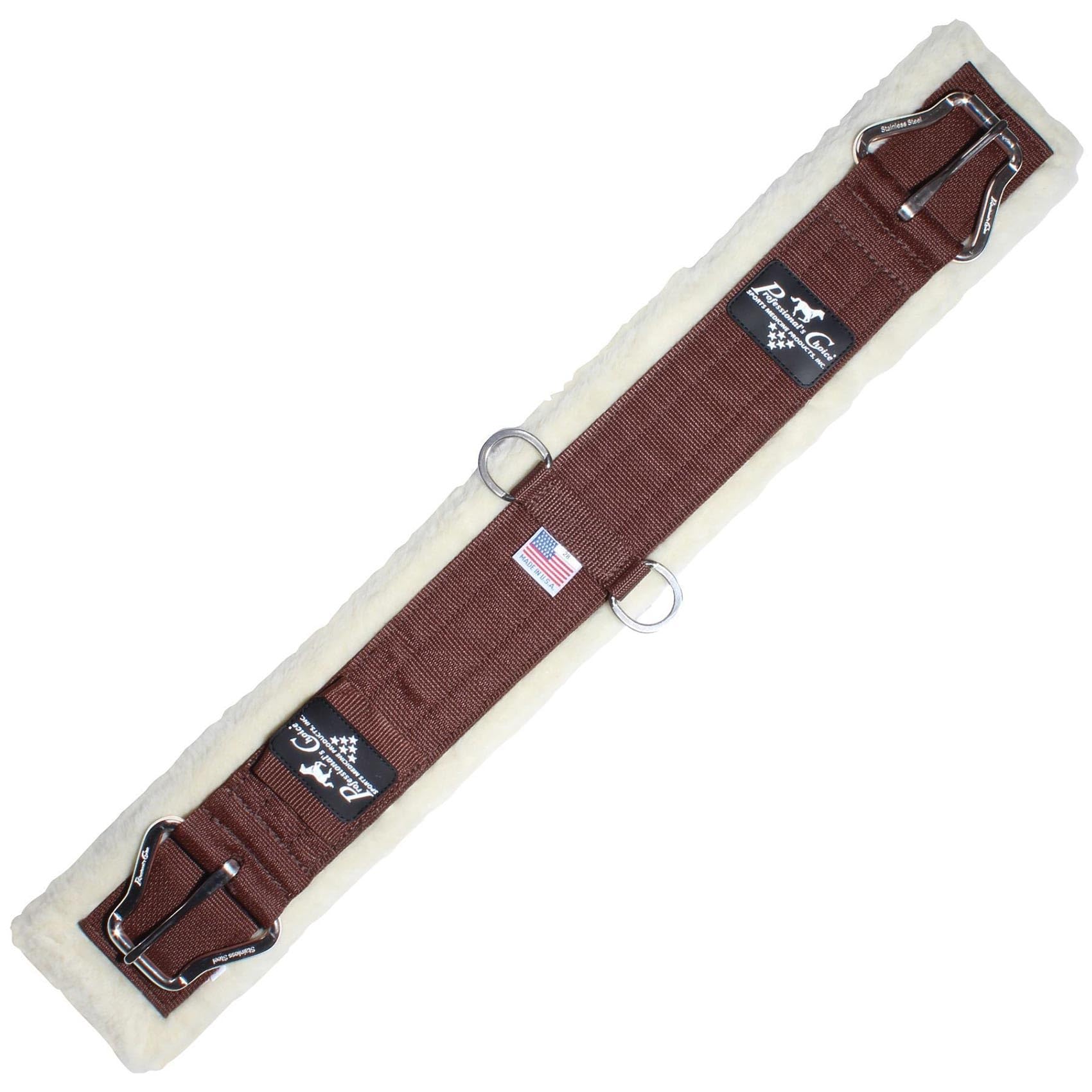
The SMX Merino Wool cinch takes the same durable webbing and stainless steel hardware platform as the neoprene version but replaces the grip-focused liner with a 100% merino wool pad that is fully detachable for machine washing. This makes it the most practical option for riders who work in hot, humid climates where sweat management is critical. Merino wool absorbs up to 30% of its weight in moisture vapor before feeling wet, keeping the skin behind the elbow noticeably drier than synthetic fleece.
Owners of quarter horses and stocky breeds report that the merino liner distributes pressure evenly across a wider surface area than standard fleece cinches, which reduces the chance of cinch sores developing during long trail rides or training sessions. The roller bar aids in the final tightening sequence, and the overlapping fleece design prevents the metal buckle edge from contacting the horse’s skin. Reviewers consistently note that the horses seem less “cinchy” and more willing to move out after the girth is tightened.
The removable liner is the headline feature: peel it off, toss it in the washer on gentle cycle, and reattach to a clean webbing base. This contrasts sharply with fixed-fleece cinches that become stiff with dried sweat and dirt. The trade-off is a slightly bulkier profile at the ends, which can be a challenge for extremely short-coupled ponies. For all-round use on medium-to-large horses, this is the cleanest, most hygienic option available.
Why we love it
- Detachable merino liner can be machine washed for easy hygiene
- Natural wool wicks moisture and reduces heat build-up
- Overlapping fleece prevents metal-on-skin contact
Good to know
- Bulkier ends may not suit short-coupled or small horses
- Wool liner requires gentle wash cycle to prevent matting
4. Weaver Leather Felt Lined Deluxe Super Cinch

The Weaver Leather Felt Lined Deluxe Super Cinch hits the sweet spot of mid-range pricing without cutting corners on the things that matter most. The leather body is supple enough to mould to the horse’s barrel, while the half-inch 100% wool felt lining provides a soft, non-abrasive surface that does not grab hair the way some synthetic fleece linings do. The rounded profile reduces the sharp edge that can dig into the shoulder, and the nickel-plated hardware offers adequate corrosion resistance for regular use.
This cinch is particularly popular among owners of smaller horses — 15 hands and under — because the 28-inch size in this line fits cleanly without extra bulk at the buckles. One review specifically noted it freed up shoulder movement on a 15.1 hand paint horse, which is precisely the kind of fit detail that separates a working cinch from a problematic one. The wool felt lining also dries faster than thick fleece, making it practical for riders who rinse tack after every ride.
Nickel-plated hardware is not as durable as full stainless steel over years of heavy use, but for recreational riding, arena work, and ranch sorting, this cinch holds up well. The leather does require occasional conditioning to stay supple and prevent cracking, especially in dry climates. For riders looking for a high-feel natural material at a fair investment, this is the most balanced option in the range.
Why we love it
- Wool felt lining is soft, non-abrasive, and dries quickly
- Rounded leather design reduces shoulder binding
- Available in hard-to-find smaller sizes for slim horses
Good to know
- Nickel hardware is less rust-resistant than stainless steel
- Leather needs periodic conditioning to prevent drying
5. Intrepid International Western Fleece Cinch Girth

Intrepid International has been a staple brand in budget-conscious tack for decades, and this fleece cinch proves that smart engineering can deliver at a reasonable price point. The cinch uses five layers of nylon covered in heavy fleece, creating a padded cushion that spreads pressure across the full width without the stiffness of cheaper acrylic fleece. The stainless steel buckles and Dee rings are a notable upgrade at this tier — most comparably priced cinches use plated steel that corrodes within a season.
Multiple owners report that this cinch solved chronic rubbing and girth galls on horses with sensitive skin that reacted to neoprene, mohair, and even leather. The fleece creates a soft, pillow-like contact that conforms to the barrel shape without creating hot spots. One review featured a mare that suddenly developed galls and found relief only after switching to this fleece option — and the cinch remained gall-free even through extended riding periods.
The important caveat is sizing. The fleece padding at the ends adds extra length, so a 36-inch tag actually measures about 34 inches buckle-to-buckle due to the thick end construction. Owners recommend ordering one size down from your standard for a snug fit. The fleece will collect straw, burrs, and dirt if used in pasture turnout, and it takes longer to dry than neoprene or wool. Wash on gentle cycle and air dry to keep the fleece from matting.
Why we love it
- Layers of heavy fleece provide excellent pressure cushioning
- Stainless steel buckles resist rust better than budget alternatives
- Resolved girth galls for many owners with reactive horses
Good to know
- Fleece traps burrs and dries slowly after washing
- Measure carefully — thick ends make the cinch feel shorter
6. Weaver Leather Latigo with Holes
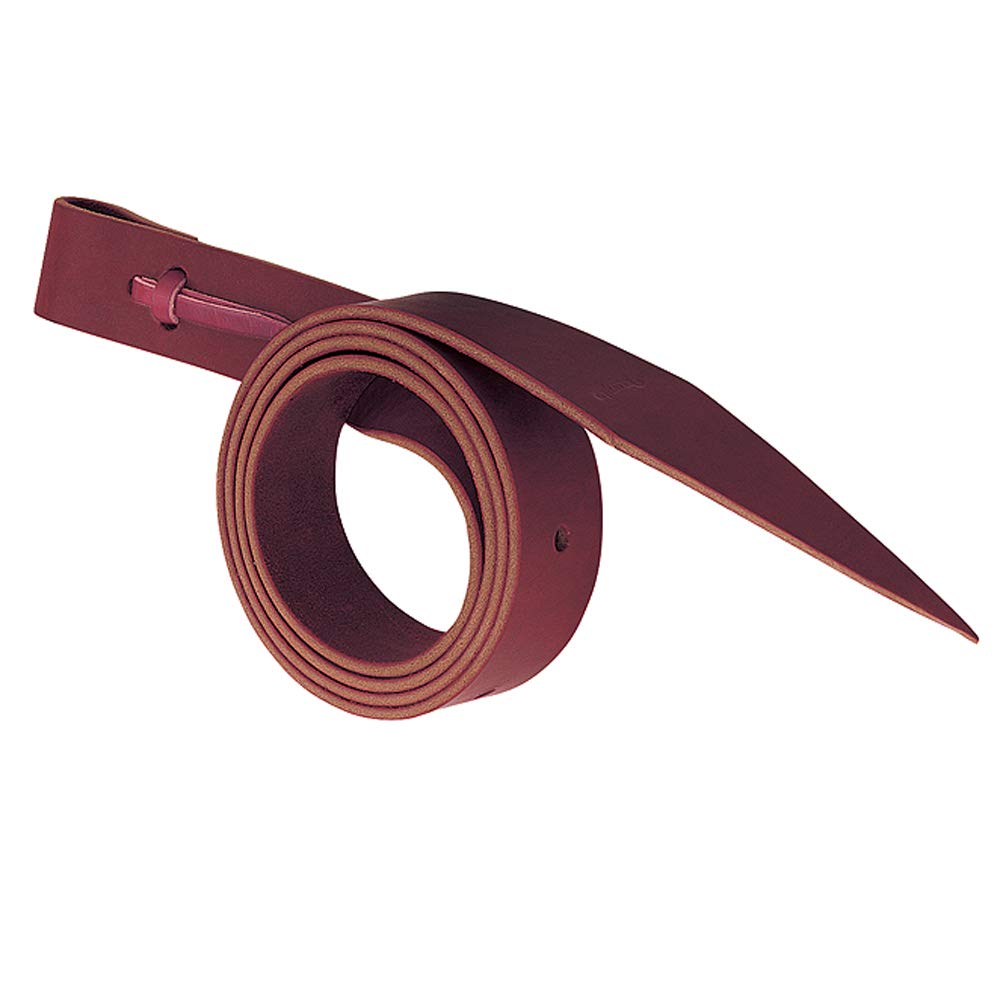
Many modern riders overlook the latigo, but this 60-inch burgundy leather strap from Weaver Leather is an essential companion to any cinch, especially for those using center-fire or dropped rigging saddles that require a traditional tie-on method. The latigo leather is full-grain, heavy-duty yet supple straight out of the package, and it provides natural grip that prevents the girth from slipping after cinching — a safety advantage over nylon latigos that tend to creep loose during a ride.
Owners of old-school saddles and those transitioning away from nylon agree that leather latigos offer a better friction hold and a small amount of stretch that accommodates the horse’s breathing without loosening. One reviewer specifically noted that nylon latigos are a safety hazard because they do not hold a tied knot the way leather does. The burgundy alum-tanned finish coordinates well with brown tack, and the 1.5-inch width is compatible with standard cinch buckle slots.
The only gotcha: the tie itself is not included, so you will need a separate leather or rawhide tie to secure the knot. Some buyers expected a complete set and were disappointed. As a standalone latigo strap, this is the best balance of supple hand feel and long-term durability available at this price point, and it pairs perfectly with any of the full cinches in this guide for riders who prefer traditional rigging over a crossed strap.
Why we love it
- Full-grain latigo offers superior friction hold over nylon
- Supple leather straight out of the package, no break-in required
- 1.5-inch width fits all standard cinch buckles
Good to know
- Does not include a tie — you will need to purchase separately
- Leather requires occasional conditioning to maintain flexibility
7. Tough 1 Performers 1st Choice Miniature Neoprene Girth
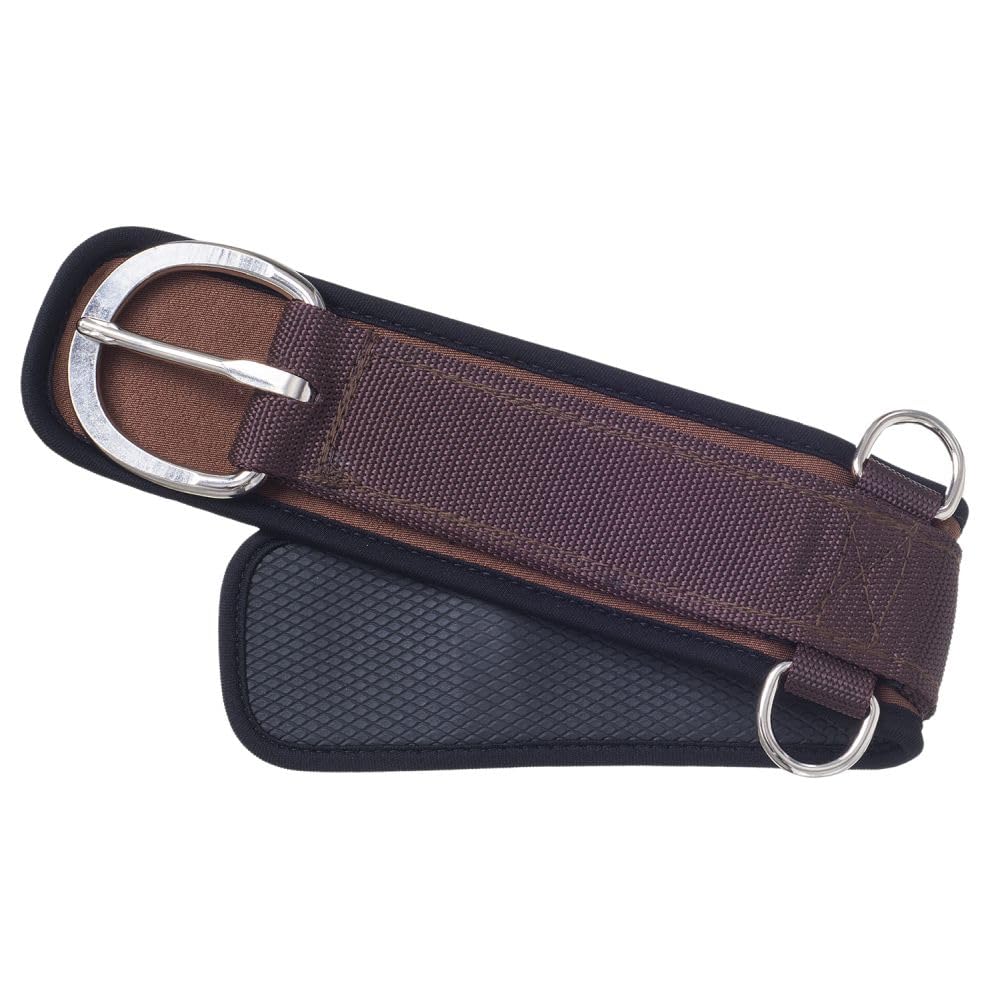
Miniature horses present a unique fitting challenge: their barrels are deeper and rounder proportionally than a full-size horse, so a standard pony cinch often sits too far back. The Tough 1 Miniature Neoprene Girth is built specifically for this build, with a 24-inch length and a waffle-weave neoprene body that offers the same non-slip characteristics as full-size premium cinches. The heavy flat steel hardware and “quick grip” nylon webbing attachment allow the girth to be removed easily for washing.
Every verified review from miniature horse owners gives this cinch top marks for fit and durability. One owner of a 32-inch mini mare reported struggling to find any tack that stayed in place before this girth solved the problem. The neoprene lining provides excellent grip without rubbing, and the PVC neoprene back resists moisture absorption from sweat and rain, keeping the girth from developing the stiff, foul odor common in fabric minis.
The primary limitation is that this size is truly miniature-specific. It will not fit a standard pony (Welsh, Shetland) above 40 inches. The flat steel hardware is adequate for the smaller scale forces involved, but it is not as polished as the stainless steel found on premium lines. For mini owners, this is the only girth on the market that consistently fits correctly without modification.
Why we love it
- Perfect 24-inch length designed for miniature horse proportions
- Waffle neoprene provides non-slip grip without chafing
- Quick-grip webbing detaches for easy washing
Good to know
- Will not fit standard ponies above 40 inches tall
- Flat steel hardware, not stainless steel roller buckles
FAQ
What is the difference between a cinch and a girth?
How do I know what size western cinch my horse needs?
Can I use a fleece cinch on a horse that sweats heavily?
Why do some premium cinches use alpaca fibers instead of wool or fleece?
How tight should I cinch my western saddle?
Final Thoughts: The Verdict
For most riders, the western cinch winner is the Professional’s Choice SMX Western Cinch because the waffle neoprene grip solves both saddle slip and rubbing issues in a single, easy-to-clean package. If you want the luxury of natural-fiber performance that your horse will visibly appreciate, grab the Classic Equine Classic Roper Cinch. And for trail riders who wash tack every week and want the most hygienic machine-washable option, nothing beats the Professional’s Choice SMX Merino Wool Cinch with its removable liner.