
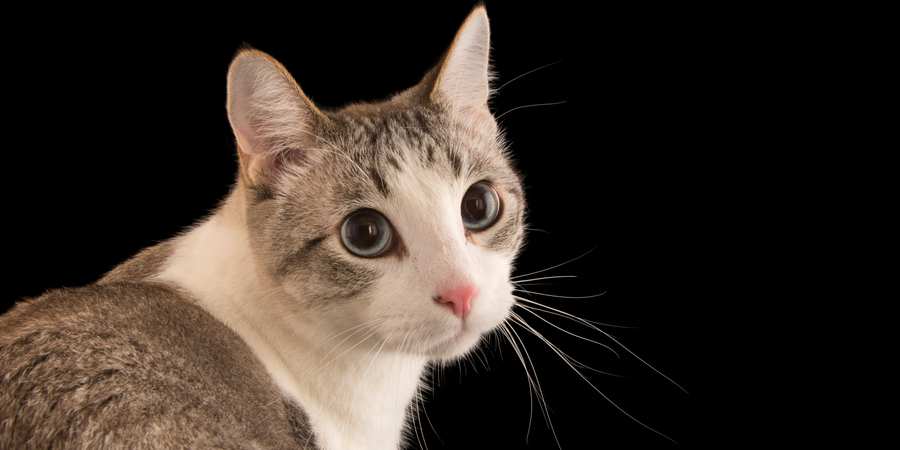
To quickly alleviate your cat’s diarrhea, ensure they stay hydrated, adjust their diet, and consult a veterinarian if necessary.
Understanding Cat Diarrhea
Dealing with a cat’s diarrhea can be stressful for both the pet and the owner. This condition can stem from various causes, ranging from dietary indiscretion to underlying health issues. It’s essential to grasp the basics of why this happens. Cats are notoriously sensitive creatures. Their digestive systems can react negatively to sudden changes in their diet or environment. Even minor alterations in food brands or flavors can lead to gastrointestinal upset.
Additionally, stress is a significant factor. Cats may experience anxiety due to changes in their surroundings, such as moving homes or the introduction of new pets. This stress can manifest as diarrhea, making it crucial to create a stable environment for them. Understanding these factors helps in identifying the right course of action when faced with this uncomfortable situation.
Signs and Symptoms of Diarrhea in Cats
Recognizing the signs of diarrhea in cats goes beyond just observing loose stools. Watching for additional symptoms provides a clearer picture of your cat’s health. Common indicators include:
- Frequent bowel movements: If your cat is using the litter box more often than usual, it’s a red flag.
- Changes in appetite: A decrease or complete loss of interest in food can signal distress.
- Lethargy: If your cat seems unusually tired or inactive, it might be struggling.
- Vomiting: This often accompanies diarrhea and indicates gastrointestinal upset.
- Dehydration: Signs include dry gums, excessive thirst, and decreased skin elasticity.
Monitoring these signs allows for timely intervention, which is critical when addressing how to stop my cat’s diarrhea fast.
The Importance of Hydration
Hydration is paramount when dealing with any form of diarrhea. Cats lose significant amounts of water through their stools. Dehydration poses serious health risks and can complicate recovery efforts. Ensuring your cat has access to fresh water at all times is vital.
One way to encourage hydration is by offering wet food instead of dry kibble. Wet food contains higher moisture content and can help replenish lost fluids. Additionally, some cats enjoy drinking from running water sources like pet water fountains, which may entice them to drink more.
If you notice signs of dehydration such as lethargy or dry mouth, consider offering an electrolyte solution designed for pets. These solutions are formulated to replenish lost fluids and electrolytes effectively.
Dietary Adjustments for Quick Relief
Making dietary adjustments plays a crucial role in addressing how I can stop my cat’s diarrhea fast. When a cat experiences diarrhea, it’s often beneficial to revert them to a bland diet temporarily.
The following options are commonly recommended:
| Bland Food Options | Description |
|---|---|
| Boiled Chicken | No skin or seasoning; easy on the stomach. |
| White Rice | Plain white rice helps bind stools. |
| Canned Pumpkin | A natural source of fiber that aids digestion. |
| Plain Yogurt | A source of probiotics that support gut health. |
| Bland Commercial Diets | Specially formulated diets available at pet stores. |
Resuming regular food should be done gradually over several days once symptoms improve. It’s essential not to rush this process as doing so could trigger recurring issues.
Probiotics: The Gut Heroes
Probiotics have gained popularity as an effective way to restore gut health after episodes of diarrhea. These beneficial bacteria help balance the intestinal flora, promoting better digestion and nutrient absorption.
Adding probiotics specifically designed for cats can be beneficial during recovery phases. Many veterinarians recommend these supplements as they help restore normal gut function following disturbances caused by diarrhea.
Probiotics come in various forms—powders, capsules, or treats—making it easy to find one that suits your cat’s preferences and habits.
The Role of Veterinary Consultation
While many cases of diarrhea resolve with home care and dietary adjustments, there are instances where veterinary intervention becomes necessary. If your cat’s condition persists beyond 24 hours or if additional symptoms arise—such as blood in stool or severe lethargy—seeking professional advice is critical.
A veterinarian will conduct a thorough examination to determine underlying causes such as infections, parasites, or chronic conditions like inflammatory bowel disease (IBD). Diagnostic tests may include fecal examinations, blood work, or imaging studies depending on initial findings.
Timely intervention by professionals ensures that serious conditions are ruled out while providing peace of mind during distressing times.
Preventive Measures for Future Incidents
Taking proactive steps helps minimize future occurrences of diarrhea in cats:
- Smooth Dietary Transitions: Gradually introduce new foods over several days rather than making abrupt changes.
- Avoid Table Scraps: Human food can upset feline stomachs; stick with cat-specific diets.
- Mental Stimulation: Engage cats with toys and activities that reduce stress levels.
- Scheduled Vet Visits: Regular check-ups help catch potential issues before they escalate.
Establishing these habits fosters overall well-being while reducing the likelihood of gastrointestinal disturbances.
The Emotional Aspect: Caring for Your Cat During Illness
Caring for a sick pet takes an emotional toll on owners too. It’s tough seeing a beloved companion struggle with discomfort and distress. Providing comfort during these challenging times involves more than just physical care; emotional support matters significantly as well.
Creating a calm environment aids recovery efforts dramatically. Soft bedding areas away from noise and distractions allow cats to rest comfortably without added stressors affecting their healing process.
Offering gentle affection through petting or soothing words helps reassure them during periods when they feel vulnerable due to illness. Recognizing their discomfort while providing companionship fosters trust between owner and pet—a bond strengthened through shared experiences even amidst adversity.
Conclusion – How Can I Stop My Cats Diarrhea Fast?
In summary, managing feline diarrhea requires understanding its causes while implementing effective strategies for relief swiftly. Ensuring hydration remains paramount alongside dietary adjustments tailored towards easier digestion plays crucial roles in recovery efforts.
While most cases resolve through home care practices like adjusting diets or introducing probiotics into routines—consulting veterinarians becomes necessary if conditions persist beyond typical timelines or worsen unexpectedly.
Establishing preventive measures further enhances overall health while nurturing emotional connections strengthens bonds between owner and furry companions alike throughout their lives together!