
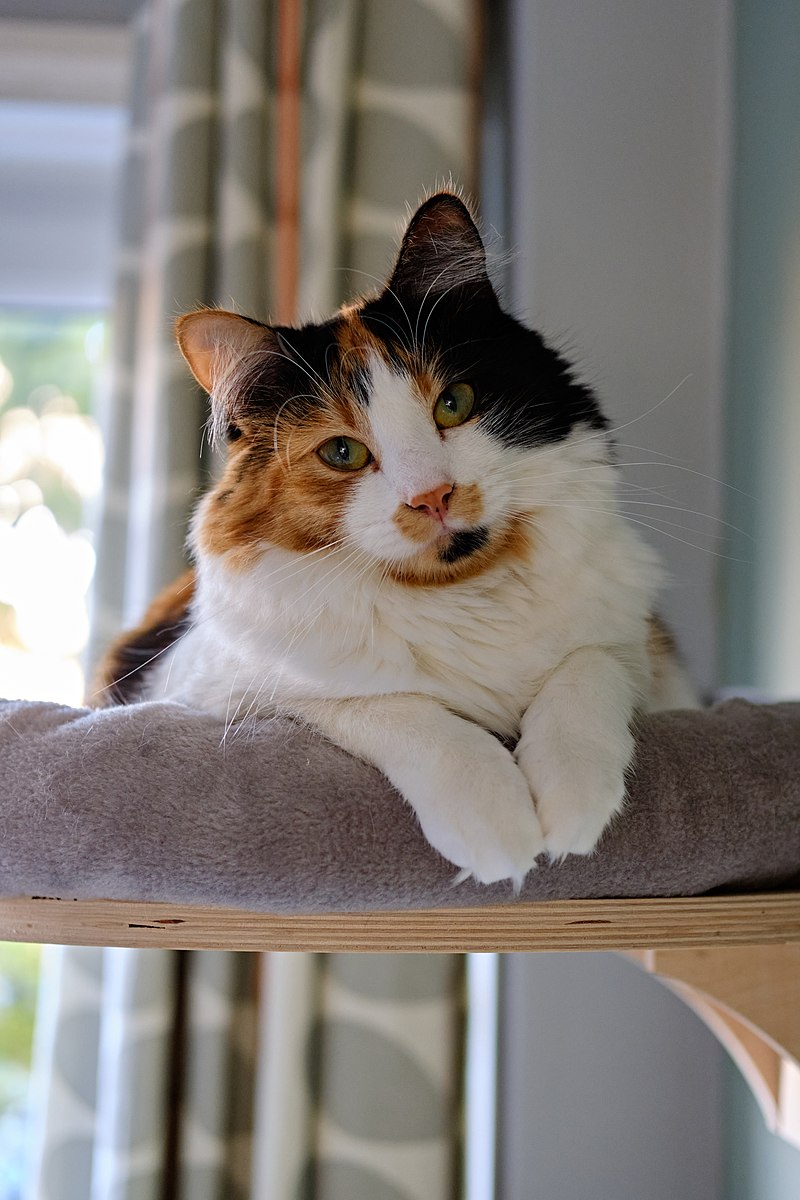
Calico cats are known for their unique personalities, and many owners report that they can be quite talkative.
Calico cats are often celebrated for their striking appearances and vibrant personalities. These beautiful felines, characterized by their tri-color coats, have a reputation that goes beyond just looks. Many cat enthusiasts wonder about their behavior, particularly when it comes to vocalization. So, the question arises: Are calico cats talkative? In this exploration, we’ll dive deep into the world of calico cats, examining their communication styles, personality traits, and much more.
The Unique Appeal of Calico Cats
Calico cats are not a breed but rather a color pattern found in various breeds. Their coats typically feature patches of white, black, and orange or cream. This distinctive coloration can vary significantly from one calico to another. The genetic makeup responsible for this coloration is fascinating; it’s linked to the X chromosome. Female cats have two X chromosomes, which allows them to express this beautiful color pattern. Male calicos are rare due to this genetic trait.
Aside from their stunning looks, calicos often possess unique personality traits. Many owners describe them as quirky and lively. They can be playful and affectionate but also independent at times. This combination makes them intriguing companions. The question of whether they are talkative ties closely into these personality traits.
Understanding Cat Communication
Cats communicate in various ways; vocalization is just one aspect of their expressive nature. Understanding how cats convey their feelings helps in deciphering whether calicos are particularly chatty.
Vocalizations: Cats use different sounds to express themselves—meows, purrs, hisses, and chirps all have specific meanings. A meow might indicate a request for food or attention, while a purr often signifies contentment.
Body Language: A cat’s posture and movements can tell you a lot about its mood. An arched back may indicate fear or aggression, while a relaxed body suggests comfort.
Facial Expressions: Cats often communicate through their eyes and facial expressions. Slow blinking can be a sign of trust and affection.
Calicos may exhibit these communication methods just like any other cat; however, individual personalities play a significant role in how vocal they become.
Are Calico Cats More Vocal Than Other Breeds?
Research on specific breeds indicates that some tend to be more vocal than others. For instance:
| Breed | Vocalization Level |
|---|---|
| Siamese | Very High |
| Persian | Moderate |
| Maine Coon | Moderate |
| Ragdoll | Low |
| Calico (Mixed) | Variable |
Calicos often fall into the “variable” category because they can be mixed with different breeds. Therefore, whether they are talkative largely depends on the breed traits inherited from their parents.
Many calico cat owners report that their pets do enjoy chatting with them. They might meow when they want food or when they seek attention or playtime. Some even develop a unique “language” with their humans over time.
The Role of Environment in Cat Vocalization
The environment can significantly influence a cat’s behavior and vocalization patterns. A nurturing atmosphere filled with love and attention may encourage a calico to express itself more vocally than one that feels neglected or stressed.
Social Interaction: Calicos thrive on social interaction; if they feel isolated or lonely, they may vocalize more frequently as a way to seek companionship.
Playtime: Engaging in play can stimulate vocalization as well. A playful calico may meow excitedly during interactive games with its owner.
Stress Factors: Changes in the environment—like moving homes or introducing new pets—can cause stress that might lead to increased vocalizations as well.
Every cat is unique; thus, while many calicos may exhibit talkative tendencies due to these factors, others may remain relatively quiet.
Personality Traits Commonly Found in Calico Cats
The personality of a calico cat often influences its communication style significantly. Here are some common traits associated with these colorful felines:
Affectionate Nature: Many calicos enjoy being close to their humans and will often express this through meowing or purring when seeking affection.
Playfulness: Their playful spirit encourages vocalizations during playtime—think excited meows during a game of chase!
Curiosity: Calicos tend to be curious creatures who love exploring their surroundings; this inquisitiveness can lead to chatter as they investigate new sights and sounds.
Independence: While affectionate, many calicos also exhibit independent behavior; they might not always feel the need to communicate unless necessary.
Understanding these traits helps explain why some calicos may be more talkative than others—they communicate based on how they feel at any given moment.
Vocal Patterns: What Do They Mean?
Calico cats’ vocalizations can vary widely in pitch and tone depending on what they’re trying to convey:
- Short Meows: Often used for greetings or getting attention.
- Long Meows: Typically indicate annoyance or demand.
- Chirps/Trills: Usually signify excitement or happiness.
- Purring: Indicates comfort but can also occur when anxious.
- Hissing/Growling: Signs of fear or aggression that should not be ignored.
Recognizing these patterns makes it easier to understand what your calico is trying to tell you at any moment!
The Influence of Breed on Vocalization
As mentioned earlier, since calicos aren’t a specific breed but rather a color pattern found across various breeds (like Domestic Shorthair or Longhair), it’s essential to consider how those breeds influence behavior:
- Siamese Influence: If your calico has Siamese ancestry, expect higher vocal tendencies as this breed is known for being very communicative.
- Persian Influence: If there’s Persian lineage involved, the cat may still be affectionate but less likely to engage in frequent vocalizations compared to its Siamese relatives.
- Maine Coon Influence: Known for being friendly yet somewhat reserved in terms of chatter; thus if your calico descends from Maine Coons, it might not be overly talkative but will still enjoy companionship.
Each mix brings something different into the equation regarding personality traits and communication styles!
The Importance of Socializing Your Calico Cat
Socializing plays an integral role in shaping how talkative any cat—calicos included—becomes over time! Early socialization helps instill confidence leading them toward becoming more expressive individuals later down the line:
1. Introduce New Experiences Gradually: Expose your kitten (or adult) gradually without overwhelming them.
2. Encourage Interaction with People/Pets: Positive interactions help build trust leading toward greater comfort levels when communicating.
3. Create Fun Play Sessions Together! Engaging activities foster bonding moments where verbal expressions naturally arise!
These steps contribute toward nurturing an environment conducive for open communication between human companions & furry friends alike!
Conclusion – Are Calico Cats Talkative?
In conclusion, whether calico cats are talkative largely depends on individual personality traits influenced by genetics and environment rather than simply being categorized based solely on appearance alone! Many owners do find them quite chatty due largely towards affectionate natures combined with playful spirits which encourage frequent interactions throughout daily life together!
Ultimately understanding each unique feline’s preferences leads toward establishing deeper connections allowing both parties involved—humans & felines alike—to enjoy richer experiences filled with love & laughter!