
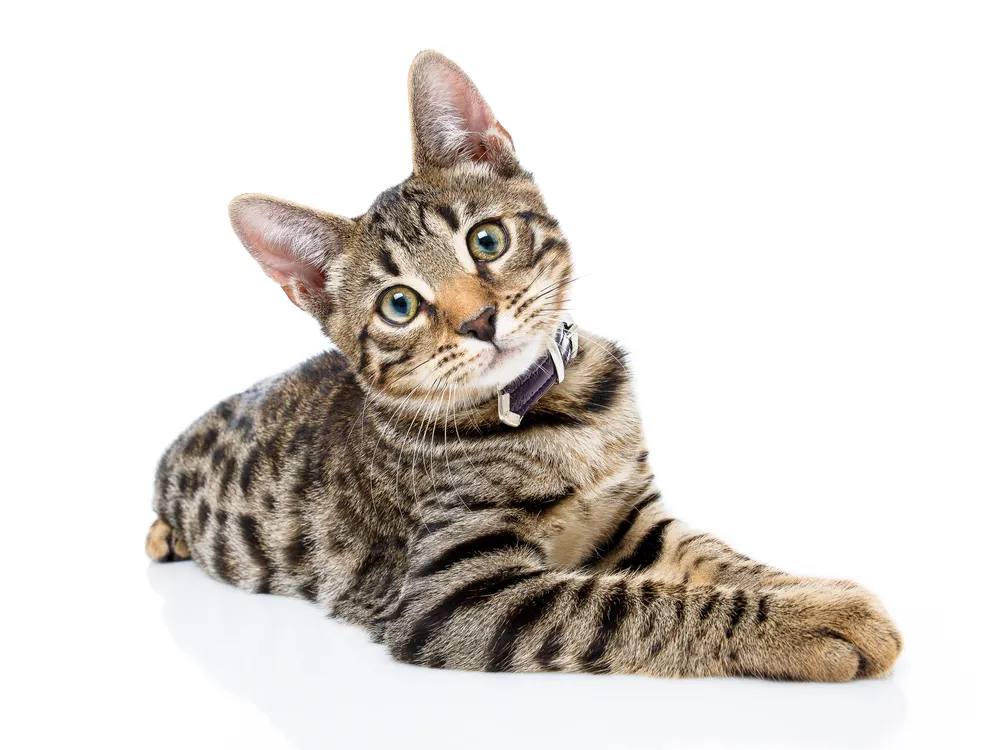
Cats and dogs share many similarities, but their behaviors and needs differ significantly.
The age-old debate about whether cats are like dogs often sparks lively discussions among pet lovers. Both species have captured the hearts of millions around the world, each boasting unique traits that endear them to their human companions. Understanding the similarities and differences between these two beloved animals can help potential pet owners make informed decisions about which furry friend might be right for them.
Common Traits Between Cats and Dogs
At first glance, it may seem that cats and dogs are worlds apart. However, they do share several characteristics that make them appealing as pets. Both animals exhibit social behaviors, show affection towards their humans, and can form strong bonds with their families.
One of the most notable similarities is their ability to communicate emotions. While cats may not bark like dogs, they have developed a range of vocalizations to express their feelings. Purring can indicate contentment, while hissing or growling may signal discomfort or aggression. Dogs use barks, growls, and whines to convey emotions as well.
Both species also exhibit playfulness, which is essential for their mental stimulation and physical health. Dogs love to fetch balls or play tug-of-war, while cats enjoy chasing toys or engaging in mock hunts with feather wands. This playful nature helps strengthen the bond between pets and their owners.
Social Behavior
Cats and dogs are social creatures but exhibit different social structures. Dogs are pack animals by nature; they thrive on companionship and often look to their human families as part of their pack. This instinct drives them to seek approval and establish a hierarchy within the household.
Cats, on the other hand, are more solitary by nature. They can be affectionate but tend to maintain a sense of independence that dogs do not typically possess. This independence allows cats to entertain themselves when left alone for extended periods. However, many cats enjoy social interactions with humans and other pets when they choose to engage.
Affectionate Behaviors
Both cats and dogs demonstrate affection toward their owners in various ways. Dogs often express love through physical touch—leaning against you, licking your face, or wagging their tails excitedly when you come home. Their loyalty is unwavering; they thrive on attention and companionship.
Cats show affection differently; they might curl up in your lap or nuzzle against you when seeking comfort. Some cats even bring “gifts,” such as a toy or a caught insect, as a sign of love—a behavior rooted in their hunting instincts.
Differences Between Cats and Dogs
Despite these commonalities, significant differences exist between cats and dogs that impact potential pet owners’ decisions. Understanding these differences is crucial for anyone considering bringing one of these animals into their home.
Training Capabilities
Training is one area where dogs excel compared to cats. Dogs possess an innate desire to please their owners; this makes them more receptive to training commands and obedience exercises. With consistent reinforcement through treats or praise, most dogs can learn various commands—from basic sit-and-stay commands to complex tricks.
Cats are generally less inclined to follow commands or perform tricks on cue. Their independent nature means that training requires more patience and creativity than with dogs. While some cats can learn simple tricks using clicker training methods or treat incentives, it often takes longer than with dogs.
Exercise Needs
Another area of difference lies in exercise requirements. Dogs need regular walks or playtime outdoors to expend energy effectively; failing to meet these needs can lead to behavioral issues such as excessive barking or chewing furniture.
Cats typically have lower energy levels compared to dogs but still require stimulation through playtime indoors or access to outdoor spaces if safely enclosed (like a catio). They’re content with shorter bursts of activity followed by long periods of rest—something dog owners should consider if they’re contemplating adopting both species.
The Emotional Spectrum: Are Cats Like Dogs?
Emotions play a vital role in how both species interact with humans—and each other—as well as how they experience life overall. While both animals express fear, joy, anger, and affection uniquely suited for their kind, studies suggest that cats may be more emotionally complex than previously thought.
Research indicates that both species experience similar emotional states but display them differently based on their individual temperaments—some breeds being more affectionate than others regardless of species affiliation! For instance:
| Emotion | Cats | Dogs |
|---|---|---|
| Affection | Purring & head-butting | Wagging tail & licking |
| Anxiety | Hiding & vocalizing | Barking & pacing |
| Joy | Playful behaviors & kneading | Bouncing around & fetching objects |
| Aggression | Hissing & swatting | Barking & growling |
This table illustrates how both animals express similar emotions through different behaviors—highlighting the notion that while “Are Cats Like Dogs?” may seem like an easy question at first glance—it actually delves into deeper emotional connections between these two distinct yet relatable creatures!
The Care Factor: Are Cats Like Dogs?
When considering bringing either a cat or dog into one’s home environment—care requirements should come front-and-center! Each animal demands specific attention related directly back down its respective needs:
- Dietary Needs: While both require balanced diets tailored towards age/health status—dogs generally need larger portions due to size variance across breeds (from tiny Chihuahuas up through Great Danes). Conversely—cats need smaller meals throughout the day since they’re obligate carnivores relying heavily on protein sources.
- Grooming: Grooming habits differ significantly too! Many dog breeds require regular grooming sessions depending on coat type (think long-haired vs short-haired). In contrast—most domestic felines self-groom effectively—only needing occasional brushing depending upon hair length/seasonal shedding patterns.
- Health Care: Veterinary care remains essential regardless of pet choice! Routine check-ups/vaccinations ensure optimal health maintenance over time—but costs may vary depending upon conditions requiring treatment (e.g., dental work vs minor injuries).
Understanding these factors leads back towards answering if “Are Cats Like Dogs?” truly holds merit—it ultimately depends upon individual preferences regarding lifestyle choices/preferences when selecting an ideal companion animal!
Conclusion – Are Cats Like Dogs?
In conclusion, while there are undeniable similarities between cats and dogs—including social behaviors, affectionate tendencies—and even emotional expressions—their differences cannot be overlooked! Each species has unique traits that cater specifically towards individual lifestyles/preferences making them ideal companions under varying circumstances!
Whether opting for a playful pup who thrives on companionship—or an independent feline who appreciates quiet moments alone—the choice boils down ultimately toward personal preferences regarding care requirements/lifestyle compatibility!
The question “Are Cats Like Dogs?” invites us all into exploring deeper connections formed between ourselves—and our furry friends! Understanding these nuances fosters greater appreciation for both species—allowing us richer experiences alongside our beloved pets throughout life’s journey together!