
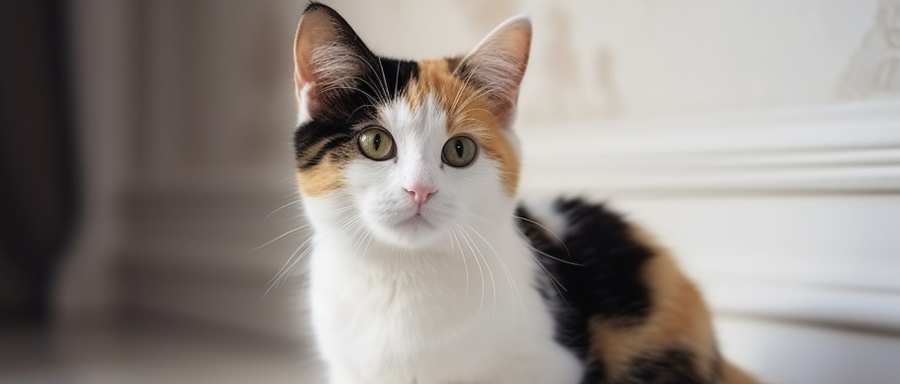
Cats possess remarkable instincts and skills that often help them find their way back home, even from considerable distances.
Cats have long captured human fascination with their enigmatic behaviors and remarkable instincts. One of the most intriguing questions that often arises is, “Are Cats Good At Finding Their Way Home?” This question taps into the heart of our relationship with these independent creatures. Whether they’re lost in the neighborhood or exploring the great outdoors, cats seem to possess an uncanny ability to navigate their surroundings.
Understanding how cats find their way home involves delving into their sensory perceptions, instincts, and even a bit of science. This article aims to explore the various aspects of feline navigation, shedding light on how these animals manage to return home, sometimes against all odds.
The Instinctual Nature of Cats
Cats are instinctual creatures. Their ancestors were wild hunters who roamed vast territories in search of food. This instinctual behavior has been retained even in domestic cats. They possess a keen sense of direction and are equipped with various tools that help them navigate their environment effectively.
One of the most significant aspects of a cat’s navigation skills is its acute sense of smell. Cats have an extraordinary olfactory system, with approximately 200 million scent receptors in their noses compared to about 5 million in humans. This heightened sense allows them to detect familiar scents, including those from home or other cats in their territory.
Additionally, cats are known for their exceptional hearing abilities. They can hear frequencies up to 64 kHz, which is significantly higher than what humans can perceive. This acute hearing helps them pick up on sounds that may guide them back home or alert them to potential dangers.
Moreover, visual acuity plays a role in feline navigation. Cats have excellent night vision due to a higher number of rod cells in their retinas, allowing them to see well in low-light conditions. This ability can be particularly advantageous when they venture out during dusk or dawn.
How Do Cats Navigate? The Science Behind It
The question “Are Cats Good At Finding Their Way Home?” leads us to explore the scientific mechanisms behind feline navigation. Various studies have been conducted to understand how cats manage to return home over long distances.
One theory suggests that cats use Earth’s magnetic field as a guide. Research indicates that some animals can sense magnetic fields and use them for orientation. While more studies are needed specifically for cats, this phenomenon has been observed in other species like birds and turtles.
Another important aspect is their spatial memory. Cats are capable of remembering landmarks and routes they’ve taken before. This spatial awareness allows them to create mental maps of their surroundings and helps them retrace their steps if they need to return home.
Furthermore, studies have shown that cats might rely on visual cues from the environment—like buildings, trees, or even familiar smells—to guide themselves back home. They often recognize specific landmarks that help anchor their memory and provide direction.
Factors Influencing a Cat’s Ability to Return Home
While many factors contribute to a cat’s ability to find its way back home, certain variables can impact this skill significantly:
1. Distance from Home
The farther a cat strays from its territory, the more challenging it becomes for it to navigate back home. While some cats have been known to return from several miles away, others may struggle if they venture too far beyond familiar territory.
2. Familiarity with Surroundings
Cats that roam within familiar neighborhoods or environments are likely to have an easier time finding their way back than those exploring entirely new areas. Familiar scents and landmarks play crucial roles in this process.
3. Environmental Obstacles
Urban environments present numerous challenges for wandering cats—busy roads, unfamiliar buildings, and noise can all disorient them. In contrast, rural areas may offer fewer distractions but still pose risks such as predators or lack of shelter.
4. Age and Health
Younger cats tend to be more adventurous and agile than older ones; however, health issues can affect any cat’s ability to navigate effectively. A cat’s physical condition plays a significant role in its capacity for exploration and eventual return home.
The Role of Microchipping and Identification
Given the potential risks associated with outdoor exploration, ensuring a cat’s safe return is essential for any pet owner concerned about wandering furballs. Microchipping has become increasingly popular as a reliable method for identifying lost pets.
Microchips are small devices implanted under the skin that contain unique identification numbers linked to the owner’s information through a database. If a lost cat is found by someone else or taken to a veterinary clinic or shelter, scanning the microchip can reveal its owner’s contact details quickly.
Collars with ID tags also serve as an effective means of identification but come with risks—cats may lose them while climbing trees or during scuffles with other animals. Thus, combining both microchipping and collar identification provides an added layer of security for pet owners worried about whether their furry friends will find their way back home safely.
What To Do If Your Cat Goes Missing
Despite taking precautions like microchipping or keeping collars on your cat at all times, there’s still a chance they could wander off unexpectedly. Here’s what you can do if your beloved feline goes missing:
1. Search Your Neighborhood
Start by searching your immediate area thoroughly; call your cat’s name while shaking treats or using toys they enjoy playing with—familiar sounds might lure them out from hiding spots nearby.
2. Notify Neighbors
Inform neighbors about your missing cat; they may spot it wandering around or hiding nearby without realizing it belongs to you!
3. Utilize Social Media
Post about your missing pet on local community groups on social media platforms—many neighborhoods have dedicated pages where people share information about lost pets frequently!
4. Contact Local Shelters/Veterinarians
Reach out directly via phone calls or visits at local animal shelters/veterinary clinics—they often keep records of found animals brought into their facilities!
5. Create Flyers
Design eye-catching flyers featuring photos along with descriptions (including physical traits) so passersby can easily recognize your missing companion!
A proactive approach increases chances significantly when trying reuniting lost pets with owners who love them dearly!
| Method | Description | Effectiveness |
|---|---|---|
| Microchipping | A small chip implanted under the skin containing unique ID info linked back home. | High – Permanent identification method. |
| ID Tags on Collars | A collar featuring tags displaying contact details for quick identification. | Moderate – Can be lost easily but effective if intact. |
| Social Media Alerts | Utilizing platforms like Facebook groups dedicated specifically towards lost pets. | High – Wide reach within communities. |
| Flyers Distribution | Creating flyers showcasing photos/descriptions placed throughout neighborhoods. | Moderate – Depends on visibility & response rate! |
| Shelter/Vet Notifications | Contacting local shelters/vets directly regarding sightings/possible rescues! | High – Facilities often keep records! |
By employing these strategies effectively along with keeping tabs on how well-equipped our furry companions truly are when navigating unfamiliar territories leads us towards answering: “Are Cats Good At Finding Their Way Home?”
The Importance of Environment for Feline Navigation Skills
The environment plays an essential role not only in how well cats navigate but also influences whether they feel safe enough exploring outside at all!
Cats thrive best when given access outdoors within secure settings—such as enclosed yards where potential dangers (like traffic) don’t pose threats while allowing room for exploration without fear hindering instincts!
Creating safe spaces encourages healthy behaviors while providing opportunities for mental stimulation through playtime outside!
Moreover providing enrichment activities indoors (like climbing structures) mimics natural behaviors helping maintain physical fitness alongside mental agility which ultimately contributes positively towards overall wellbeing!
Maintaining balance between indoor comforts versus outdoor adventures ensures both safety & satisfaction remain priorities throughout lives shared together between humans & felines alike!
The Myths Surrounding Cat Navigation Skills
Many myths exist regarding whether felines possess innate navigational abilities worth pondering upon! Some common misconceptions include:
– They Always Find Their Way Home Instantly:
While many do return eventually after wandering off temporarily (sometimes taking days), not every case ends happily without intervention from owners actively searching!
– Cats Can See Magnetic Fields:
Though intriguing theories suggest possible sensitivity towards magnetic fields amongst animals generally speaking (birds/turtles), no conclusive evidence currently supports this notion specifically concerning domesticated felines yet!
– Felines Have Built-in GPS:
It’s easy imagining our beloved companions equipped like high-tech devices guiding paths effortlessly! However reality showcases reliance upon sensory perceptions combined with learned experiences rather than any technological advancements!
Understanding these myths helps clarify misconceptions surrounding capabilities enabling better appreciation towards