
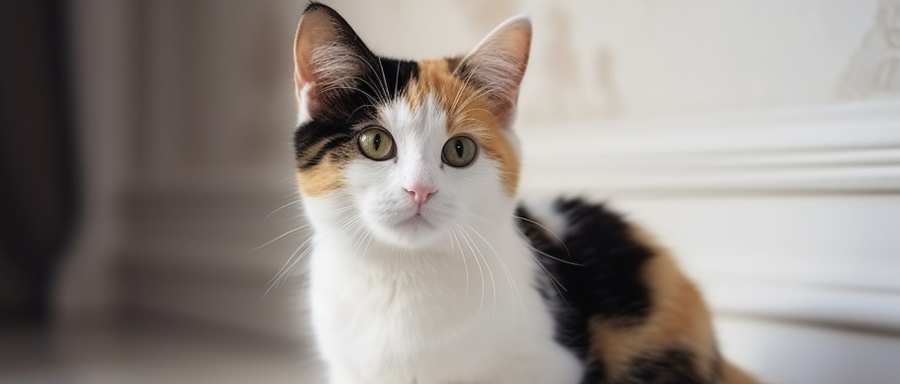
Deer are generally not afraid of cats, as their instincts are more attuned to larger predators.
Deer, those graceful creatures often seen grazing in the wild or wandering into suburban backyards, have a unique relationship with their environment. A question that often arises among wildlife enthusiasts and pet owners alike is, “Are deer afraid of cats?” This inquiry opens a fascinating discussion about animal behavior, instincts, and the dynamics of predator and prey relationships.
Understanding the interactions between different species can provide insights into their behaviors and habitats. Deer and cats occupy different ecological niches, yet their paths may cross in various settings. To delve deeper into this topic, it’s essential to explore the instinctual behaviors of both deer and cats, what drives them in the wild, and how they respond to each other.
The Instincts of Deer
Deer are prey animals. Their primary survival strategy revolves around vigilance and flight. They have evolved to be highly sensitive to potential threats in their environment. Their large eyes provide a broad field of vision, allowing them to detect movement from various angles. This adaptation helps them spot predators such as coyotes, wolves, or even humans long before they are close enough to pose a danger.
In terms of size and predatory threat, domestic cats do not register on a deer’s radar as significant threats. While a cat might surprise a deer if it were to leap out unexpectedly from a bush or tall grass, the overall impact of a cat on deer behavior is minimal. The instinctual response of deer is rooted in their experience with larger predators.
How Do Deer React to Cats?
When confronted with a cat, deer typically exhibit curiosity rather than fear. A deer may pause and observe the cat from a distance but will not feel threatened unless it perceives an immediate danger. This reaction can be attributed to several factors:
1. Size Difference: Adult deer can weigh anywhere from 100 to 300 pounds depending on the species, while most domestic cats weigh between 5 to 20 pounds. This size disparity plays a significant role in how deer perceive cats.
2. Predatory Behavior: Cats are ambush predators; they rely on stealth and surprise rather than direct confrontation. Deer are more attuned to detecting threats that involve chasing or stalking behaviors exhibited by larger carnivores.
3. Familiarity: In suburban areas where both species coexist, deer may become accustomed to seeing cats without associating them with danger. This familiarity can lead to nonchalant interactions where deer might even graze near cats without concern.
To illustrate this further, consider the following table that summarizes typical reactions of deer when encountering various animals:
| Animal Type | Size | Typical Reaction |
|---|---|---|
| Domestic Cat | 5-20 lbs | Curiosity; non-threatening behavior |
| Coyote | 20-50 lbs | Panic; flight response |
| Wolf | 50-110 lbs | Panic; flight response; group behavior |
| Human | Varies (average 150 lbs) | Cautious; flight response if approached too closely |
| Eagle (as aerial threat) | 3-15 lbs (predatory) | Panic; vigilance against aerial attack |
This table demonstrates how size influences the deer’s reaction to potential threats in its environment.
The Role of Cats in Urban Ecosystems
In urban settings, domestic cats play an interesting role within local ecosystems. They are often seen roaming neighborhoods freely, climbing trees, or lounging in sunny spots on porches. While they primarily hunt small mammals like mice or birds, their presence can impact local wildlife dynamics.
Cats tend to be solitary hunters but can also exhibit social behaviors when living with humans or other pets. Their hunting instincts drive them to stalk and pounce on smaller creatures but do not typically extend towards larger animals like deer.
Cats may chase after small animals that might attract deer’s attention—such as rabbits—but this does not translate into any fear or avoidance behavior from the deer themselves. Instead, deer remain focused on larger threats that pose genuine risks.
The Impact of Domestic Cats on Wildlife
The presence of domestic cats can influence local wildlife populations significantly due to their hunting habits. Studies have shown that outdoor cats contribute to declines in small mammal populations and bird species through predation. However, this predation does not extend effectively towards larger animals like deer.
It’s crucial for cat owners who live near areas populated by wildlife to consider keeping their pets indoors or supervised when outdoors. This practice protects both the domestic pets and local wildlife populations from unnecessary harm or stress.
The Relationship Between Deer and Cats: Myths vs Reality
Several myths surround the interactions between different animal species—especially between those considered predator and prey. One common misconception is that all small animals are inherently afraid of anything larger than themselves; however, this isn’t always true.
Deer do not view cats as threats due primarily to size differences and instinctual behaviors shaped by evolution over millennia. Instead of fear-driven responses toward felines, deer display curiosity which can sometimes lead them into closer proximity rather than avoidance.
Another myth is that cats will aggressively pursue any animal smaller than themselves—including young fawns—which could potentially lead to harm for both parties involved. In reality:
1. Cats are opportunistic hunters: They prefer smaller prey that’s easier for them to catch.
2. Deer typically do not engage: In most cases where interactions occur between these two species—especially if they’re familiar with each other—there’s no aggressive pursuit by either party involved.
3. Behavioral Adaptations: Over time as these two species share habitats more frequently due largely because humans have encroached upon natural environments—they adapt behaviors accordingly leading towards peaceful coexistence rather than conflict-driven encounters.
The Social Dynamics Among Animals in Shared Habitats
Social dynamics among animals living within shared habitats play an essential role in understanding interspecies relationships such as those between deer and domestic cats—a phenomenon observed particularly within suburban landscapes where natural habitats overlap with human development efforts.
Interactions amongst various animal groups often reveal complex behavioral patterns influenced by environmental factors including habitat structure availability food resources competition pressures etc., leading towards unique adaptations over time resulting from these experiences shaping future generations’ responses towards one another!
For instance:
- Familiarity Breeds Tolerance: As both species come across each other regularly within shared environments—they gradually learn tolerance levels resulting less fearful reactions overall.
- Resource Availability: Availability food sources influences how different species interact—deer may prioritize grazing while ignoring nearby felines focusing solely on finding sustenance rather than viewing them as competitors!
Such dynamics create opportunities for learning adaptive strategies among diverse wildlife populations promoting harmony instead conflict!
The Benefits of Understanding Animal Behavior
Understanding animal behavior offers numerous benefits—not just for wildlife enthusiasts but also for those living alongside these creatures daily! Knowledge about how different species interact helps foster appreciation toward nature while promoting coexistence strategies aimed at minimizing human-wildlife conflicts across various landscapes!
By recognizing patterns exhibited by both deer & domestic felines—individuals can make informed decisions regarding pet management practices ensuring safety well-being everyone involved!
For instance:
- Educating Communities: Sharing information about local wildlife encourages residents take proactive measures protecting vulnerable species while reducing risks associated outdoor roaming pets!
- Promoting Conservation Efforts: Understanding ecological relationships fosters greater support conservation initiatives aimed preserving habitats protecting biodiversity ensuring future generations enjoy rich ecosystems thrive!
Through education awareness individuals become empowered advocate responsible stewardship natural resources enhancing quality life surrounding communities!
Conclusion – Are Deer Afraid Of Cats?
In conclusion—are deer afraid of cats? The answer leans heavily towards no; instead exhibiting curiosity towards these smaller creatures! While there may be instances where individual deers react differently based context—it’s generally accepted notion exists minimal threat posed by domestic felines against much larger ungulates!
The relationship between these two species highlights fascinating aspects interspecies dynamics shaped environmental factors behavioral adaptations learned experiences over time promoting peaceful coexistence rather than fear-driven encounters! Understanding such nuances enriches appreciation nature fostering harmonious relationships among diverse wildlife populations enriching lives everyone involved!