
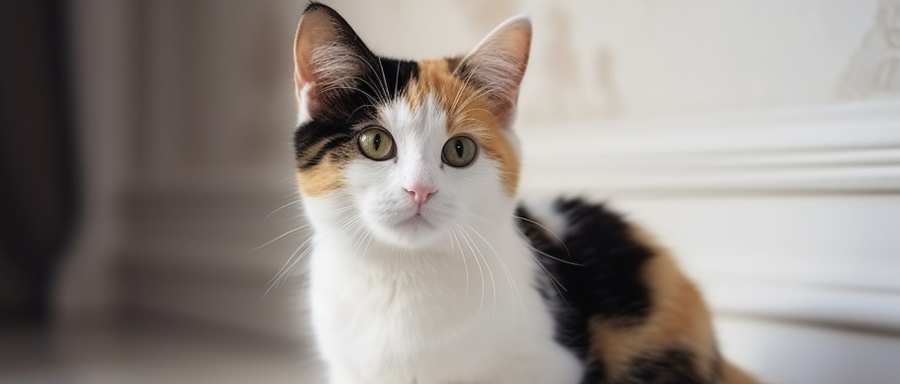
Mats can cause discomfort for cats, leading to pain and stress if not addressed promptly.
Understanding Cat Mats: The Basics
Mats in a cat’s fur can be more than just an unsightly nuisance; they can pose significant health risks. Cats are generally known for their grooming habits, but sometimes, they can’t keep up with the tangles and knots that form in their coats. This is especially true for long-haired breeds like Persians or Maine Coons. The mats can pull on the skin, leading to pain and irritation. It’s vital to understand how mats form and what they mean for a cat’s well-being.
Mats typically occur when loose fur gets trapped among the undercoat, creating tight clumps that adhere to the skin. Factors such as shedding, lack of grooming, or even skin conditions can exacerbate this issue. In some cases, mats can become so tight that they restrict blood flow or lead to skin infections. Therefore, addressing the problem early on is crucial.
The Anatomy of Cat Fur
A cat’s coat consists of several layers: the top coat, which protects against environmental elements; the undercoat, which provides insulation; and the skin underneath. Each layer plays a vital role in maintaining a cat’s health. When these layers become tangled due to mats, it affects not only the appearance but also the overall comfort of the cat.
Understanding how a cat’s fur works can shed light on why mats are painful for them. The top coat is designed to repel dirt and moisture, while the undercoat traps warmth. When these layers become matted together, it creates pressure points against the skin that can lead to discomfort or pain.
Why Do Mats Form?
Several factors contribute to mat formation in cats:
1. Shedding: Seasonal changes often lead to increased shedding as cats lose their winter coats.
2. Lack of Grooming: Cats may not groom themselves adequately due to age or health issues.
3. Skin Conditions: Allergies or infections can lead to excessive scratching, causing mats.
4. Environmental Factors: Dust and dirt from surroundings can get trapped in fur.
5. Diet: Poor nutrition may lead to unhealthy fur that mats easily.
Recognizing these factors helps in preventive care and reduces the likelihood of mats forming in the first place.
Signs Your Cat Has Mats
Identifying mats on your cat isn’t always straightforward. Here are some signs that indicate your feline friend might be suffering from painful mats:
- Visible Clumps: Obvious tangles or clumps of fur are an immediate red flag.
- Behavioral Changes: Increased irritability or withdrawal from social interaction may signal discomfort.
- Frequent Grooming Attempts: If your cat is obsessively grooming certain areas, it could be trying to alleviate discomfort caused by mats.
- Skin Irritation: Redness or inflammation around matted areas indicates potential pain.
Being vigilant about these signs allows for timely intervention before mats become a more serious issue.
The Pain Factor: How Mats Affect Cats Physically
Mats don’t just look bad; they physically hurt cats too. As they tighten around a cat’s skin, they create pressure points that can lead to significant discomfort. This pressure may cause inflammation and even restrict blood flow if left untreated.
Moreover, if mats are severe enough, they can trap moisture against the skin, creating an ideal environment for bacterial growth and infections. These infections further complicate matters by introducing additional pain and requiring veterinary intervention.
Cats are generally good at hiding their pain; however, if they exhibit signs like excessive grooming or reluctance to be petted in certain areas, it’s worth checking for mats.
Table 1: Common Signs of Matting
| Sign | Description |
|---|---|
| Visible Clumps | Obvious tangles or clusters of fur. |
| Behavioral Changes | Irritability or withdrawal from interaction. |
| Frequent Grooming Attempts | Obsessive grooming of specific areas. |
| Skin Irritation | Redness or inflammation around matted areas. |
Preventing Mats Before They Happen
Prevention is always better than cure when it comes to managing your cat’s coat. Regular grooming is essential for all cats but especially those with longer hair. Here are some tips:
- Regular Brushing: Use a suitable brush based on your cat’s coat type at least once a week.
- Bathing: Occasionally bathing your cat with appropriate shampoo helps remove loose fur.
- Healthy Diet: A balanced diet rich in omega fatty acids promotes healthy fur.
- Regular Vet Check-ups: Routine health checks ensure any underlying issues contributing to matting are addressed promptly.
By establishing a regular grooming routine early on, it’s possible to significantly reduce mat formation and keep your feline friend comfortable.
What To Do If Your Cat Has Mats?
If you discover mats on your cat’s coat, it’s crucial not to panic but act swiftly and effectively:
1. Assess Severity: Determine how severe the matting is before taking action.
2. Use Proper Tools: Invest in high-quality grooming tools designed specifically for detangling.
3. Start Gentle: Begin working on smaller sections of matted fur gently using your fingers or a comb.
4. Seek Professional Help: If mats are extensive or deeply embedded against the skin, consider consulting a professional groomer or veterinarian.
Taking swift action helps alleviate discomfort while also maintaining your cat’s overall health.
The Importance of Professional Grooming
Sometimes home remedies just won’t cut it when dealing with severe matting issues. Professional groomers have experience handling difficult situations where mats have formed extensively over time.
Groomers use specialized tools designed for safely removing mats without causing harm to your pet’s skin underneath. They also have techniques that minimize stress for both you and your furry friend during this process.
In addition to removing existing mats, professional groomers often provide valuable advice on maintaining healthy coats moving forward—something every pet owner should consider as part of their routine care plan!
The Emotional Toll of Mats
The impact of matting goes beyond just physical discomfort; it can take an emotional toll as well! Cats thrive on comfort—both physically and mentally—so having painful knots pulling at their skin creates stress that’s hard for them (and us) to ignore!
Cats may feel vulnerable due to their inability (or unwillingness)to groom themselves adequately when faced with painful knots pulling at sensitive areas like their belly or behind their ears! This vulnerability could lead them towards anxiety-related behaviors such as hiding away more often than usual—something many pet owners would rather avoid!
Understanding this emotional aspect reminds us why addressing mat issues promptly matters—it fosters not only physical comfort but mental wellness too!
Conclusion – Are Mats Painful For Cats?
In conclusion, it’s clear that yes—mats can indeed be painful for cats! The physical discomfort caused by tight knots leads not only towards potential health risks but also impacts emotional well-being! Regular grooming routines play an essential role in prevention while addressing existing issues swiftly ensures our feline friends remain happy & healthy!
Taking proactive steps towards managing our pets’ coats keeps them free from unnecessary pain & stress while fostering stronger bonds between us & our furry companions! Being attentive allows us all (cats included!)to live life comfortably & joyfully—something every pet owner strives toward achieving!