
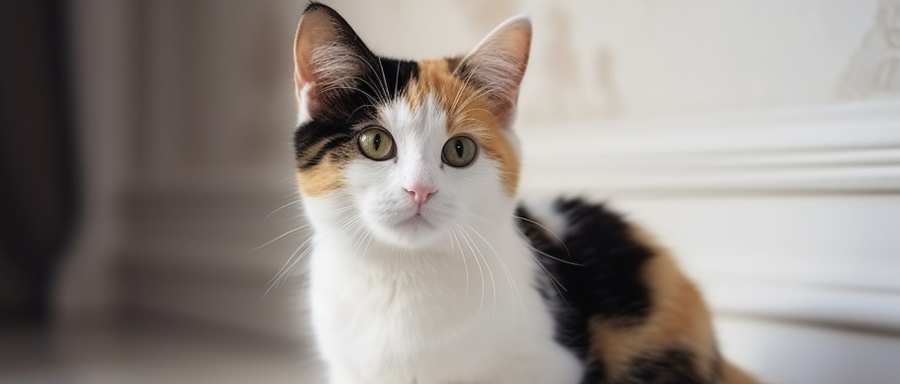
Yes, peace lilies are toxic to cats and can cause various health issues if ingested.
The Allure of Peace Lilies
Peace lilies (Spathiphyllum spp.) are among the most popular houseplants, renowned for their lush green leaves and beautiful white blooms. They add a touch of elegance to any room, making them a favorite for both novice and experienced plant enthusiasts. Not only do they enhance indoor aesthetics, but peace lilies also purify the air by filtering out harmful toxins. Their ability to thrive in low-light conditions makes them particularly appealing for homes and offices. However, as lovely as they are, it’s crucial to understand their implications for pet owners.
Cats are naturally curious creatures, often exploring their environment by sniffing and nibbling on plants. This behavior can lead to accidental ingestion of toxic plants like peace lilies. Knowing whether peace lilies are poisonous to cats is essential for creating a safe living space for our feline friends.
Understanding the Toxicity of Peace Lilies
Peace lilies contain calcium oxalate crystals, which are responsible for their toxicity. When a cat chews on the leaves or flowers, these crystals can cause irritation in the mouth and throat. The symptoms of ingestion can vary depending on the amount consumed and the individual cat’s sensitivity.
Common symptoms include:
- Oral irritation: Cats may experience burning sensations in their mouths, leading to excessive drooling or pawing at their mouths.
- Vomiting: Ingesting even small amounts can irritate the stomach lining, resulting in vomiting.
- Difficulty swallowing: Swelling in the throat may cause cats to struggle while eating or drinking.
- Gastrointestinal distress: This could manifest as diarrhea or abdominal pain.
While peace lilies may not be fatal if ingested, they can certainly lead to discomfort and distress for your pet. It’s essential to monitor your cat closely if you suspect they have ingested any part of this plant.
Identifying Symptoms of Ingestion
Recognizing symptoms early can significantly aid in managing your cat’s health after potential exposure to peace lilies. Here’s a detailed look at what signs to watch for:
Oral Irritation
If your cat begins drooling excessively or seems reluctant to eat, it could be due to oral irritation from chewing on a peace lily. The pain may cause them to avoid food altogether.
Vomiting and Diarrhea
Vomiting is a common response when cats ingest something toxic. If you notice your cat vomiting repeatedly or experiencing diarrhea, it’s crucial to consult a veterinarian promptly.
Lethargy and Behavioral Changes
Cats that have ingested toxic substances may become lethargic or display unusual behavior. They might hide more than usual or seem less interactive with family members.
It’s important not to dismiss these symptoms as minor issues; they could indicate a significant health concern that requires immediate attention.
How To Keep Your Cat Safe
Taking proactive steps can help ensure that your home remains safe for your feline companion while still allowing you to enjoy beautiful peace lilies. Here are some strategies:
Placement Matters
Consider where you place your peace lilies. Keeping them out of reach is essential—high shelves or hanging baskets can be effective solutions. Cats often jump onto surfaces where plants might be located; therefore, strategic placement is key.
Alternative Plants
If you’re particularly concerned about your cat’s safety but still want greenery indoors, consider non-toxic alternatives. Plants like spider plants, Boston ferns, and bamboo palm are safe choices that won’t harm curious kitties.
Education is Key
It’s beneficial for pet owners to educate themselves about common household plants that pose risks to pets. Familiarizing oneself with toxic vs. non-toxic plants allows for informed decisions when selecting houseplants.
What To Do If Your Cat Ingests Peace Lilies
If you suspect that your cat has ingested any part of a peace lily, acting quickly can make all the difference in ensuring their safety and well-being.
Immediate Actions
First off, stay calm! Panicking won’t help either you or your pet. Remove any remaining parts of the plant from your cat’s reach immediately. Observe your pet closely for signs of distress or discomfort.
Contact Your Veterinarian
Regardless of whether symptoms are present, contacting your veterinarian should be a priority if ingestion occurs. Provide as much information as possible about what was consumed and how long ago it happened.
Most veterinarians will advise bringing your cat in for an examination if symptoms arise or even preemptively if you’re unsure about the severity of the situation.
The Importance of Veterinary Care
Veterinary care plays an essential role in managing cases of plant toxicity in pets. A veterinarian will assess the situation based on clinical signs and may perform diagnostic tests if necessary.
In some instances, inducing vomiting might be recommended if ingestion was recent enough—and this should only be done under veterinary supervision. Supportive care such as fluids may also be provided depending on how severely affected the cat is.
The cost associated with veterinary care varies widely based on location and severity; however, prioritizing pet health often outweighs financial considerations in emergencies.
A Deeper Look at Calcium Oxalate Crystals
Understanding why peace lilies are toxic requires delving into their chemical makeup—specifically calcium oxalate crystals found within their tissues.
These needle-like structures form naturally within many plants as a defense mechanism against herbivores. When chewed upon by animals like cats (or even humans), these crystals can break down cell walls and release irritating compounds that lead to discomfort and pain.
Calcium oxalate toxicity isn’t exclusive to peace lilies; other common houseplants such as philodendrons and pothos also contain these crystals—making it vital for pet owners to remain vigilant regarding all household flora.
Here’s an informative table summarizing some common houseplants that are toxic versus those that are safe:
| Toxic Plants | Non-Toxic Plants |
|---|---|
| Peace Lily (Spathiphyllum spp.) | Bamboo Palm (Chamaedorea spp.) |
| Pothos (Epipremnum aureum) | Spider Plant (Chlorophytum comosum) |
| Philodendron (Philodendron spp.) | Boston Fern (Nephrolepis exaltata) |
| Aloe Vera (Aloe barbadensis miller) | Ponytail Palm (Beaucarnea recurvata) |
This comparison showcases just how important it is for pet owners to research plants before introducing them into their homes—ensuring both beauty and safety coexist harmoniously!
The Takeaway on Peace Lilies’ Toxicity
While peace lilies offer stunning visual appeal alongside air-purifying benefits, they come with risks when shared with curious cats who might nibble at them out of curiosity or boredom. Understanding whether “Are Peace Lillies Poisonous To Cats?” is critical knowledge every pet owner should possess before inviting these elegant plants into their homes.
By taking precautions such as strategic placement away from feline reach or opting for safer alternatives altogether—a harmonious living space filled with greenery can still exist without compromising safety!
In conclusion—being informed about potential hazards allows us not only greater enjoyment but also ensures our furry friends remain healthy throughout every season spent together indoors!
Conclusion – Are Peace Lillies Poisonous To Cats?
Yes! Peace lilies pose significant risks due to their calcium oxalate content—creating potential health hazards if consumed by our beloved feline companions. Taking proactive measures ensures both beauty within our homes while safeguarding those we cherish most!