
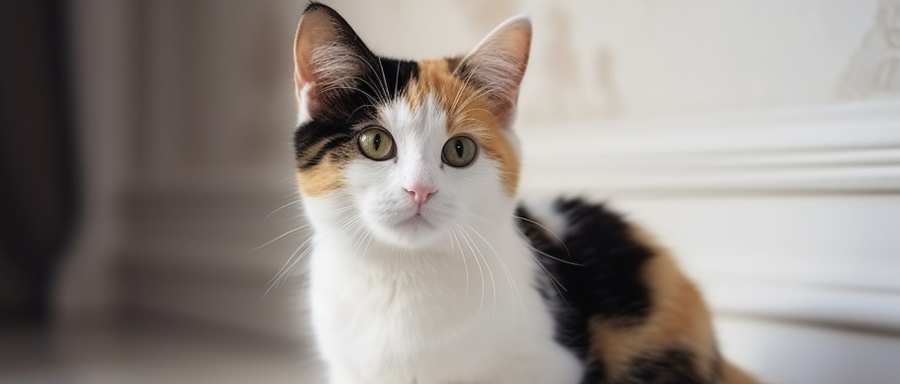
Lotus flowers are not toxic to cats, making them a safe choice for gardens and homes.
The Allure of Lotus Flowers
Lotus flowers, with their stunning blooms and serene presence, have captivated the hearts of many. They symbolize purity and beauty, often found in tranquil ponds and serene gardens. Their vibrant petals come in various colors, from soft pinks to deep whites, creating a visual feast that draws people in. These flowers thrive in water gardens, elevating the aesthetic of any outdoor space. Beyond their beauty, lotus flowers have also held cultural significance across various societies for centuries.
The lotus plant is not just admired for its appearance; it also has an intriguing life cycle. Emerging from muddy waters, the lotus rises above the surface to bloom beautifully. This remarkable transformation inspires many, representing resilience and rebirth. However, as enchanting as they are, questions often arise regarding their safety around pets—specifically cats.
Understanding Cat Safety with Plants
Cats are naturally curious creatures. They explore their environment by sniffing and nibbling on plants. While some plants pose risks to feline friends, others are completely harmless. Understanding which plants are safe is crucial for any cat owner who wants to maintain a pet-friendly home or garden.
Many common household plants can be toxic to cats. For instance, lilies are notorious for causing kidney failure in felines if ingested. Other plants like philodendrons and poinsettias can lead to gastrointestinal issues or more severe reactions. Given this reality, it’s essential to assess every new addition to the home carefully.
When considering whether to introduce lotus flowers into your garden or home environment, it’s vital to clarify their potential impact on your feline companions.
Are Lotus Flowers Toxic To Cats? The Facts
After thorough research and consultations with veterinarians and pet experts, it’s clear: lotus flowers are not toxic to cats. This means that if a cat happens to nibble on a petal or two while exploring its surroundings, there’s no need for immediate concern.
The lotus plant belongs to the family Nymphaeaceae and is known scientifically as Nymphaea. Unlike other plants that can cause distress or illness in cats, lotus does not contain harmful compounds that would affect feline health adversely. This makes them an excellent choice for gardens frequented by curious kitties.
However, while lotus flowers themselves are safe, it’s essential to consider other aspects of the plant’s environment. For instance, if pesticides or fertilizers are used around these flowers, they could pose risks if ingested by pets. Always opting for organic gardening methods can help mitigate these risks.
The Benefits of Lotus Flowers
Beyond their safety for cats, lotus flowers offer several benefits:
1. Aesthetic Appeal: Their striking beauty enhances any garden setting.
2. Water Filtration: Lotus plants help purify water in ponds.
3. Wildlife Habitat: They provide shelter and food for various wildlife species.
4. Cultural Significance: In many cultures, they symbolize rebirth and enlightenment.
This combination of beauty and ecological benefits makes lotus flowers a popular choice among gardeners looking to create serene environments without compromising pet safety.
Common Misconceptions About Lotus Flowers
Despite the clear evidence supporting the safety of lotus flowers for cats, misconceptions persist among pet owners. Some may assume that because certain plants are harmful to cats—like lilies—others might be too without proper research.
Another common myth is that all aquatic plants could potentially be dangerous due to their habitat being associated with toxicity in some species. This is far from accurate when it comes to lotus flowers; they stand out as one of the safer options available.
Additionally, some people worry about allergic reactions or skin irritations caused by contact with these flowers. While allergies can occur with any substance—including plants—the likelihood of a cat having an adverse reaction specifically from lotus flowers is minimal.
What To Do If Your Cat Ingests Lotus Flowers?
If a cat happens to eat part of a lotus flower or any other plant for that matter—it’s always best practice to monitor them closely afterward. While lotus is non-toxic, individual reactions can vary based on each cat’s unique health profile or sensitivities.
Here’s what you can do:
- Observe Behavior: Watch for any signs of distress such as vomiting or lethargy.
- Consult Your Vet: If there’s any concern about your cat’s health after ingestion—regardless of plant type—it’s wise to consult a veterinarian.
- Keep Records: Note down what was ingested and how much; this information can assist your vet in assessing the situation effectively.
Most importantly though—stay calm! Ingesting non-toxic plants generally doesn’t lead to severe complications.
Creating a Cat-Friendly Garden
Designing an outdoor space that accommodates both beautiful flora like lotus flowers and curious cats requires thoughtful planning. Here are some tips on creating a harmonious environment:
1. Select Non-Toxic Plants: Include only those that are safe for pets.
2. Designate Areas: Create distinct zones where cats can roam freely away from delicate plants.
3. Use Barriers Wisely: Consider fencing off certain areas if needed but ensure your cat has enough space to explore.
4. Monitor Plant Health: Regularly check your plants for pests; this minimizes pesticide use which could harm pets.
5. Provide Shade & Shelter: Cats love lounging outdoors; ensure there are shaded spots where they can relax comfortably.
By following these guidelines while incorporating beautiful elements like lotus flowers into the garden design—you create an inviting atmosphere that’s enjoyable for both humans and feline companions alike!
Lotus Flowers in Home Décor
Incorporating lotus flowers into indoor spaces also poses no risk for cats! Whether through fresh arrangements or decorative art pieces featuring these blooms—their presence adds tranquility wherever they’re placed.
Fresh-cut lotus stems can last quite long when cared for properly; changing water regularly helps maintain freshness while enhancing air quality at home too! Additionally—as mentioned earlier—consider using organic methods when caring for indoor arrangements so that potential toxins remain absent altogether.
Decorative items showcasing this flower’s beauty—from paintings depicting serene water scenes adorned with lotuses—to ceramic pots shaped like blooming petals—can create calming focal points throughout living spaces without posing threats towards furry friends roaming nearby!
Conclusion – Are Lotus Flowers Toxic To Cats?
In summary—lotus flowers hold no toxicity towards our beloved feline companions! With their stunning beauty combined with safety considerations—they make fantastic additions both indoors & outdoors alike! Being mindful about overall gardening practices ensures that even curious kitties remain healthy while enjoying nature’s wonders surrounding them!
As always though—staying informed about which plants pose risks versus those deemed safe will contribute significantly towards maintaining happy households filled with love (and lots of purring)!