
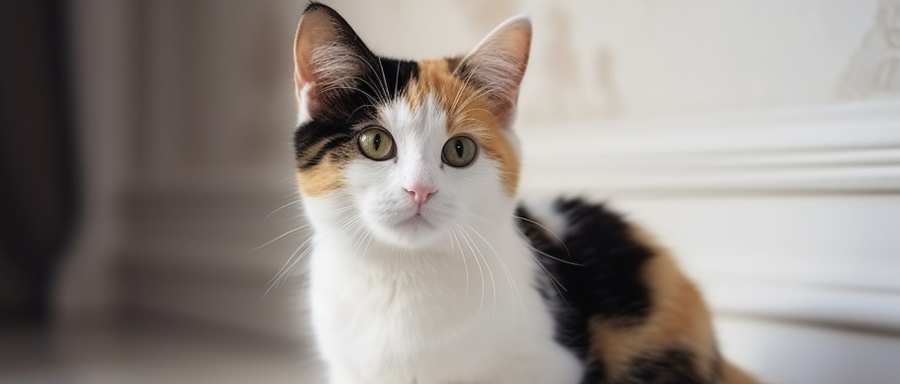
Yes, Mosquito Dunks are safe for cats as they contain natural ingredients that target mosquito larvae without harming pets.
Mosquito Dunks, a popular product for controlling mosquito populations, have gained attention for their effectiveness and ease of use. However, pet owners often find themselves asking, “Are Mosquito Dunks Safe For Cats?” This concern stems from the need to protect our furry friends while maintaining a mosquito-free environment. Understanding the composition of these products and their implications for pet safety is crucial.
Understanding Mosquito Dunks
Mosquito Dunks are small, donut-shaped tablets designed to be placed in water bodies where mosquitoes breed. They contain a bacterium called Bacillus thuringiensis israelensis (BTI), which specifically targets mosquito larvae. This bacterium produces toxins that disrupt the larvae’s digestive system, effectively eliminating them before they can mature into adult mosquitoes.
The appeal of Mosquito Dunks lies in their simplicity. They can be used in birdbaths, ponds, and other standing water sources without posing a risk to the surrounding environment. Unlike chemical pesticides, which may have harmful side effects on both pets and wildlife, Mosquito Dunks offer a more eco-friendly solution.
Ingredients and Safety Profile
To determine if Mosquito Dunks are safe for cats, it’s essential to examine their ingredients closely. The primary active ingredient is BTI, a naturally occurring bacterium found in soil. It has been used for decades in various pest control applications due to its selective toxicity toward mosquito larvae.
Here’s a breakdown of the key components of Mosquito Dunks:
| Ingredient | Function |
|---|---|
| Bacillus thuringiensis israelensis (BTI) | Targets mosquito larvae, causing them to stop feeding and die. |
| Other inert ingredients | Help form the dunk’s structure and aid in its release into water. |
BTI is not harmful to mammals, including cats and dogs. It specifically targets the digestive systems of insects like mosquitoes and does not affect other species. This selectivity is what makes Mosquito Dunks an appealing choice for those looking to control mosquito populations without endangering their pets.
The Risks Associated with Misuse
While Mosquito Dunks are generally safe for cats, misuse or overapplication can lead to unintended consequences. For instance, if a cat ingests large quantities of the product or consumes water treated with an excessive number of dunks, there could be health risks involved.
Symptoms of ingestion may include:
- Gastrointestinal upset: Vomiting or diarrhea can occur if large amounts are consumed.
- Lethargy: A cat may appear unusually tired or inactive.
- Loss of appetite: Changes in eating habits can indicate discomfort.
It’s crucial for pet owners to follow the manufacturer’s instructions regarding application rates and placement. Keeping an eye on pets when using any pest control products is always wise.
Environmental Considerations
Using Mosquito Dunks presents several environmental benefits that contribute to their appeal as a pest control solution. Unlike chemical sprays that may harm beneficial insects such as bees or butterflies, BTI specifically targets mosquitoes without affecting other wildlife. This selectivity helps maintain ecological balance while managing mosquito populations effectively.
The use of natural ingredients also reduces the risk of chemical runoff into nearby waterways—a common concern with synthetic pesticides. By opting for products like Mosquito Dunks, one supports environmentally friendly practices that minimize harm to non-target species.
Alternatives to Mosquito Dunks
While Mosquito Dunks are effective in controlling mosquito populations, there are alternative methods worth considering for those who may still be concerned about potential risks to their pets or prefer different strategies:
- Natural repellents: Essential oils like citronella or eucalyptus can deter mosquitoes when used in diffusers or candles.
- Physical barriers: Installing screens on windows and doors can prevent mosquitoes from entering homes.
- Removing standing water: Regularly checking yards for stagnant water sources can help reduce breeding sites.
Each method has its pros and cons; however, combining several strategies often yields the best results in managing mosquito populations while ensuring pet safety.
The Importance of Monitoring Pets
Even with safe products like Mosquito Dunks on the market, vigilance remains key when it comes to pet safety. Cats are naturally curious creatures; they tend to explore their surroundings thoroughly. Keeping an eye on them during outdoor playtime ensures that they do not ingest anything harmful inadvertently.
Creating designated play areas away from treated water sources can also help mitigate risks associated with pest control products. Providing plenty of engaging toys and activities indoors keeps cats entertained while avoiding potential hazards outside.
Consulting with Veterinarians
For pet owners unsure about using any pest control products around their animals—including Mosquito Dunks—consulting a veterinarian can provide peace of mind. Vets possess knowledge regarding various substances’ safety profiles and can offer tailored advice based on individual pet needs.
Open communication about concerns regarding pest control methods allows veterinarians to suggest appropriate alternatives or precautions tailored specifically for each household’s unique circumstances.
Conclusion – Are Mosquito Dunks Safe For Cats?
In summary, yes—Mosquito Dunks are safe for cats when used according to the manufacturer’s instructions. Their active ingredient targets only mosquito larvae without posing significant risks to pets or other wildlife. By adhering closely to application guidelines and monitoring pets during outdoor activities, cat owners can effectively manage mosquito populations while ensuring their furry friends remain unharmed.
The balance between pest control and pet safety need not be daunting; understanding available options empowers responsible choices that benefit both humans and animals alike.