
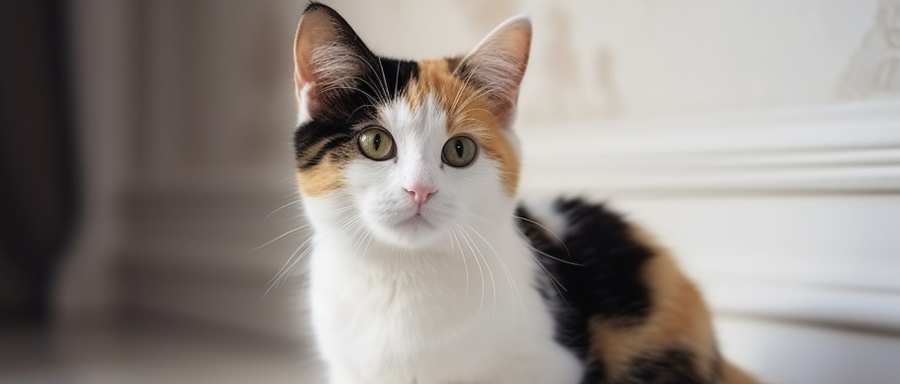
Research indicates that black cats are not predominantly male or female; their gender distribution is relatively balanced.
The Fascination with Black Cats
Black cats have long held a special place in the hearts of many. Their sleek fur and striking appearance often lead to admiration, yet they also carry a host of myths and superstitions. In various cultures, these felines are seen as symbols of good luck or bad omens. This duality makes them intriguing subjects for discussion. The question, “Are Most Black Cats Male Or Female?” arises from a curiosity about their characteristics and behaviors, as well as the cultural narratives surrounding them.
The fascination with black cats extends beyond superstition. They often appear in folklore, literature, and art, symbolizing mystery and elegance. Their presence in popular culture has been both celebrated and vilified. For instance, in some societies, black cats are associated with witches and the supernatural, while in others, they are seen as protectors against evil spirits. Understanding their gender distribution can shed light on their biology and behavior.
Understanding Cat Genetics
To delve into the question of whether most black cats are male or female, it’s essential to grasp the basics of cat genetics. The color of a cat’s fur is determined by genes inherited from its parents. The gene responsible for black fur is dominant over other colors. This means that if one parent carries the black fur gene, there’s a high likelihood that the offspring will be black.
Moreover, sex-linked traits also play a role in determining a cat’s coat color. For example, calico cats are predominantly female because the gene for orange fur is located on the X chromosome. Male cats have only one X chromosome (XY), while females have two (XX). Thus, males can only express one color unless they possess an unusual genetic condition.
When looking specifically at black cats, both males and females can inherit the genes for this coat color equally from their parents. This leads to a fairly even distribution of genders among black cats.
The Gender Distribution of Black Cats
Statistical data shows that there is no significant gender bias among black cats compared to other colors. Studies suggest that approximately 50% of all black cats are male while the other half is female. This balance aligns with what is observed in other cat breeds as well.
Here’s a simple breakdown:
| Cat Color | Male Percentage | Female Percentage |
|---|---|---|
| Black | 50% | 50% |
| Tabby | 50% | 50% |
| Calico | 1% (rarely male) | 99% |
This table illustrates how the distribution holds true across various coat colors. While some colors may skew towards one gender due to genetic factors—like calicos being predominantly female—black cats maintain an equal ratio.
Cultural Beliefs Surrounding Black Cats
Cultural perceptions can influence how people view black cats and their genders. In many Western cultures, black cats are often associated with bad luck or witchcraft. This negative association can lead to fewer adoptions of black cats compared to other colors in shelters.
In contrast, some cultures view them as symbols of prosperity and good fortune. For example, in Japan and Scotland, owning a black cat is believed to bring good luck to its owner. These cultural narratives can impact how people perceive male versus female black cats differently based on societal beliefs.
Interestingly enough, during Halloween season in some regions, there’s an uptick in concerns about the safety of black cats due to superstitions surrounding witches and dark magic practices. Shelters often implement policies during this time to protect these felines from potential harm.
The Role of Adoption Rates
Adoption rates for black cats tend to be lower than those for other colors due to prevailing myths around them being unlucky or evil creatures. Consequently, shelters often find themselves overrun with these beautiful animals waiting for homes.
This disparity raises questions about whether potential adopters prefer one gender over another when considering adopting a black cat. Anecdotal evidence suggests that many people may gravitate toward female pets because they perceive them as more nurturing or affectionate than males.
However, it’s crucial to remember that personality traits vary widely among individual animals regardless of their gender or color. Some people may prefer male pets for their playful nature or assertiveness.
The Personality Traits of Male vs Female Cats
Exploring whether most black cats are male or female leads naturally into discussions about personality traits associated with each gender. While it’s important not to generalize too much—since every cat has its unique character—there are some commonly observed patterns.
Male cats tend to be more territorial than females; they may exhibit behaviors like marking their territory with urine or engaging in fights with other males if they feel threatened by competition for resources or mates. Males may also display more playful behavior throughout their lives compared to females who might settle into calmer routines as they age.
On the flip side, female cats often show strong maternal instincts—even if they haven’t had kittens themselves—and may be more prone to forming close bonds with humans or other pets within the household environment.
These tendencies don’t mean that individual personalities won’t differ significantly from these generalizations! Many affectionate male felines exist alongside independent females who prefer solitude over companionship.
Spaying and neutering play critical roles in shaping behavior among both male and female kittens alike. Neutered males typically exhibit less aggressive behavior since the surgery reduces testosterone levels responsible for territorial aggression and dominance displays toward other males.
Similarly, spayed females tend not only to avoid unwanted pregnancies but also experience fewer behavioral issues linked directly with heat cycles—like yowling or restlessness—which can lead them into trouble if left unaltered outdoors!
Thus adopting either gender—male or female—can result in well-adjusted companions when appropriate measures like spaying/neutering are taken at an early age!
The Importance of Responsible Pet Ownership
Understanding whether most black cats are male or female transcends mere curiosity; it ties into broader themes surrounding responsible pet ownership practices as well! Adopting any animal comes with responsibilities that include ensuring proper healthcare through regular vet visits along with vaccinations against common diseases such as feline leukemia virus (FeLV) or feline immunodeficiency virus (FIV).
Additionally providing adequate nutrition tailored specifically towards each pet’s needs contributes significantly towards maintaining optimal health throughout its lifetime! Owners should also prioritize mental stimulation through interactive toys/activities encouraging exercise which keeps both body & mind engaged!
Finally fostering environments where socialization occurs helps build strong bonds between humans & furry companions alike! Whether adopting a male or female feline friend ultimately matters less than committing oneself fully towards nurturing & caring deeply for whichever creature crosses your path!
Conclusion – Are Most Black Cats Male Or Female?
The inquiry “Are Most Black Cats Male Or Female?” reveals fascinating insights into genetics, culture, behavior patterns associated with each gender while highlighting crucial aspects regarding responsible pet ownership practices necessary when adopting any animal companion!
Ultimately statistics suggest no significant bias exists between genders among our beloved dark-coated friends; thus individuals seeking feline companionship should focus instead on finding personalities matching their lifestyles rather than fixating solely upon physical traits such as color/gender alone!