
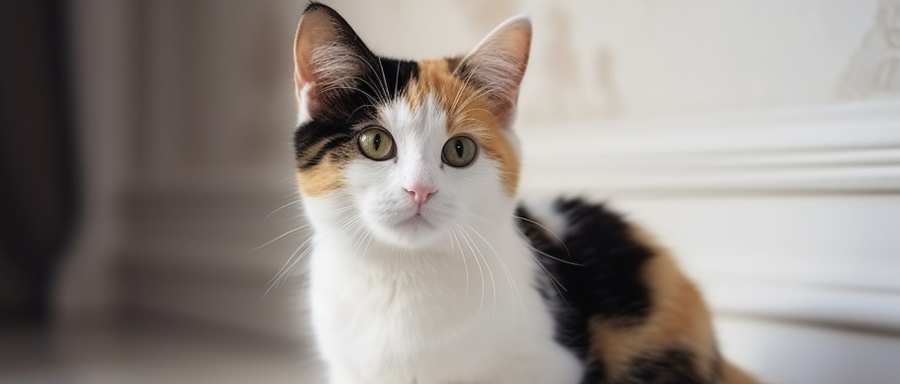
Nuts can be harmful to cats, potentially causing digestive issues and toxicity, depending on the type.
Cats are fascinating creatures with unique dietary needs. Unlike dogs, cats are obligate carnivores, meaning their bodies are designed to thrive on meat. This leads many cat owners to wonder about the safety of various human foods for their feline friends. One common question that arises is, “Are nuts dangerous for cats?” The answer is nuanced and requires a closer look at the types of nuts and their potential effects on a cat’s health.
The Nutritional Profile of Nuts
Nuts are often hailed as superfoods for humans due to their rich nutrient profiles. They contain healthy fats, proteins, vitamins, and minerals that contribute to heart health and overall well-being. However, while they may be beneficial for humans, the same does not hold true for cats. Cats metabolize nutrients differently than humans do.
Most nuts are high in fat and calories. For example, almonds contain about 14 grams of fat per ounce, while walnuts have around 18 grams. While these fats can be healthy in moderation for humans, they can lead to obesity in cats if consumed excessively. Furthermore, cats require specific nutrients found primarily in animal products—like taurine—that nuts simply do not provide.
Common Types of Nuts and Their Effects on Cats
Different nuts carry varying levels of risk when it comes to feline consumption. Here’s a breakdown of some commonly consumed nuts and their potential dangers:
| Nuts | Potential Risks | Toxicity Level |
|---|---|---|
| Almonds | Digestive upset; high fat content | Non-toxic but harmful in large quantities |
| Walnuts | Possible toxicity; neurological symptoms | Toxic |
| Pecans | High fat; may cause pancreatitis | Non-toxic but risky |
| Pistachios | High fat; potential choking hazard | Non-toxic but not recommended |
| Macadamia Nuts | Toxicity; weakness; vomiting; tremors | Toxic |
The table above summarizes the risks associated with various nuts. While some nuts may not be toxic per se, they can still pose significant health risks due to their high-fat content or other factors.
The Danger of Macadamia Nuts
Macadamia nuts deserve special attention when discussing whether nuts are dangerous for cats. These nuts are known to be toxic not only to dogs but also pose risks to cats as well. Symptoms of macadamia nut toxicity can include vomiting, tremors, weakness, and even hyperthermia.
The exact reason why macadamia nuts are toxic remains unclear; however, it’s best to avoid them entirely if there’s any chance your cat might get into them.
The Risk of Pancreatitis from High-Fat Nuts
Pancreatitis is an inflammation of the pancreas that can occur when pets consume high-fat foods. Cats who eat fatty foods may experience vomiting, diarrhea, lethargy, and abdominal pain. Nuts like pecans and almonds have considerable fat content that could trigger such conditions.
It’s essential for cat owners to understand that even non-toxic nuts can lead to pancreatitis if consumed in significant amounts. A cat’s digestive system isn’t equipped to handle high-fat foods effectively.
Cats and Digestive Issues Related to Nuts
Cats have a unique digestive system that primarily processes animal proteins rather than plant-based materials like nuts. Introducing unfamiliar foods can lead to gastrointestinal distress. Symptoms may include:
- Vomiting
- Diarrhea
- Loss of appetite
- Abdominal discomfort
Even small amounts of certain nuts can cause these issues due to their hard texture or high-fat content.
The Importance of Monitoring Your Cat’s Diet
Keeping track of what your cat eats is essential for ensuring their health and well-being. Many cat owners might think it’s harmless to share a small piece of nutty snack with their feline companions as an occasional treat. However, it’s crucial to remember that what’s safe for humans isn’t necessarily safe for cats.
If a cat ingests something they shouldn’t have—like a handful of mixed nuts—it’s vital to observe them closely for any signs of distress or unusual behavior.
What Should You Do If Your Cat Eats Nuts?
If a cat accidentally consumes nuts or nut-based products, the first step is assessing the situation based on the type and quantity ingested:
1. Identify the Type: Knowing which type of nut was consumed is critical since some are more toxic than others.
2. Monitor Symptoms: Keep an eye out for signs like vomiting or lethargy.
3. Contact a Veterinarian: If any concerning symptoms arise or if your cat consumed macadamia or walnut nuts specifically, it’s best to consult with a veterinarian right away.
Early intervention can make all the difference in ensuring your pet remains healthy after an accidental ingestion.
Alternatives to Nuts for Treats
Instead of offering nuts as treats—which could potentially harm your feline friend—consider safer alternatives that cater more closely to their dietary needs:
- Cooked Meat: Small pieces of chicken or turkey make excellent treats.
- Fish: Tuna or salmon (in moderation) is usually well-received by most cats.
- Commercial Cat Treats: Many brands offer treats formulated specifically for felines that provide necessary nutrients without added risks.
These options ensure that your pet enjoys tasty snacks without compromising their health.
The Role of Education in Pet Care
Understanding pet nutrition plays a crucial role in responsible pet ownership. The more informed a pet owner is about what constitutes safe food choices for their animals, the better equipped they will be at preventing potential dangers associated with human food consumption.
Researching proper nutrition helps avoid common pitfalls like sharing unsafe foods—such as those deemed dangerous in this discussion about whether nuts are dangerous for cats.
The Dangers Beyond Just Nuts: Other Foods That Are Harmful
While this article focuses on whether “Are Nuts Dangerous For Cats?”, it’s also important to recognize other human foods that pose threats:
- Chocolate: Highly toxic due to substances called theobromine and caffeine.
- Onions & Garlic: Can damage red blood cells leading to anemia.
- Grapes & Raisins: Known causes of kidney failure in pets.
This list serves as a reminder that many everyday foods we enjoy might not be suitable—or safe—for our furry companions.
Conclusion – Are Nuts Dangerous For Cats?
In summary, understanding whether “Are Nuts Dangerous For Cats?” requires careful consideration regarding specific types while weighing potential health implications against nutritional benefits offered by other food sources designed explicitly for felines’ needs.
While some varieties pose little risk when consumed sparingly (such as almonds), others—like macadamia—are outright toxic! Therefore it’s best practice always err on caution by avoiding giving any form of nut altogether unless advised otherwise by a veterinarian experienced with feline diets!
Ultimately prioritizing safety ensures happy lives filled with purring cuddles rather than worrying over what snacks might harm beloved pets!