
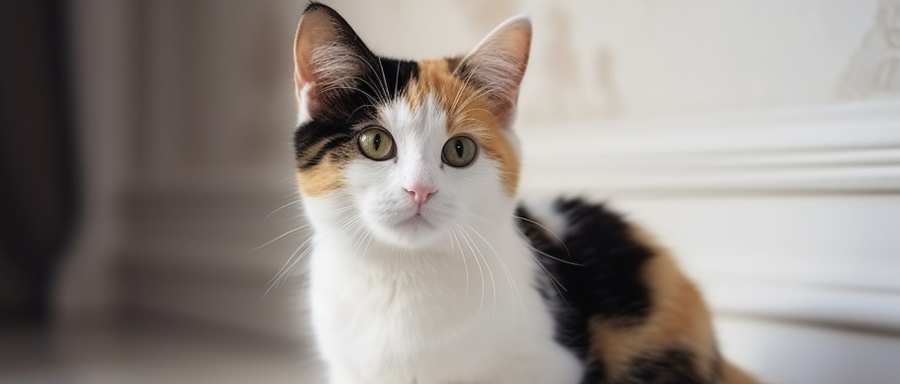
Onions are toxic to cats and can cause serious health issues, so it’s best to avoid feeding them.
Cats are fascinating creatures, often displaying quirky behaviors and unique dietary preferences. As a cat owner, it’s essential to understand what foods are safe and beneficial for our feline friends. One question that often arises is, “Are onions good for cats?” While onions might be a staple in many human diets due to their flavor and versatility, the reality is quite different for cats.
The Toxicity of Onions
Onions belong to the Allium family, which also includes garlic, leeks, and chives. These vegetables contain compounds known as thiosulfates, which are harmful to cats. Unlike humans who can digest these compounds without issue, cats lack the necessary enzymes to process thiosulfates effectively. This leads to oxidative damage in their red blood cells, resulting in hemolytic anemia.
Hemolytic anemia is a serious condition where the body destroys its own red blood cells faster than they can be produced. Symptoms of this condition can include lethargy, weakness, pale gums, and even collapse in severe cases. It’s crucial for cat owners to recognize these signs early and seek veterinary assistance immediately if they suspect their pet has ingested onions.
Even small amounts of onion can pose a risk to cats. Studies suggest that as little as 5 grams of onion per kilogram of body weight can lead to toxic effects. To put this into perspective:
| Cat Weight (kg) | Onion Amount (grams) |
|---|---|
| 2 kg | 10 grams |
| 4 kg | 20 grams |
| 6 kg | 30 grams |
| 8 kg | 40 grams |
This table illustrates how even small quantities can be dangerous based on the weight of the cat. For instance, a 4 kg cat could experience toxicity from just 20 grams of onion.
What Happens If a Cat Eats Onions?
If a cat accidentally consumes onions or any Allium species, immediate action is vital. The symptoms may not appear right away; sometimes it takes several days for the effects to manifest. Early signs include:
- Vomiting
- Diarrhea
- Abdominal pain
- Lethargy
As the condition progresses, more severe symptoms may appear:
- Rapid breathing
- Increased heart rate
- Weakness or lethargy
- Discolored urine (often reddish-brown)
If any of these symptoms occur after onion ingestion, contacting a veterinarian is critical. They may recommend inducing vomiting or administering activated charcoal to prevent further absorption of toxins.
Preventing onion toxicity starts with education. Understanding which foods are safe for cats helps avoid accidental ingestion. It’s also essential to keep food items out of reach and educate family members about the dangers of feeding human food to pets.
Moreover, being aware of common foods that contain onion powder or extract is crucial. Many processed foods and treats could have hidden ingredients harmful to cats.
Alternatives to Onions in Cat Diets
While onions should definitely be off-limits for our feline companions, there are plenty of safe alternatives that can enhance their meals without posing health risks.
Cats are obligate carnivores; thus, their diet primarily consists of meat. However, some vegetables can safely complement their diet when prepared correctly:
- Carrots: Rich in beta-carotene and fiber.
- Pumpkin: Excellent for digestion and full of vitamins.
- Green Beans: Low-calorie treat that adds fiber.
These vegetables can provide nutritional benefits without the dangers associated with onions.
Many commercial cat foods offer balanced nutrition using safe ingredients. When selecting cat food, look for high-quality brands that list meat as the primary ingredient and avoid those with unnecessary fillers or by-products.
Reading labels carefully helps ensure that no harmful ingredients like onion powder are included in your pet’s diet.
The Role of Veterinary Guidance
Regular veterinary check-ups play an essential role in maintaining your cat’s health. Vets can provide tailored dietary recommendations based on your cat’s age, weight, health status, and lifestyle.
In case you suspect your cat has ingested something harmful like onions or other toxic substances, consulting with a veterinarian immediately is critical. They have access to resources that can help diagnose potential issues quickly and accurately.
Feline nutrition goes beyond just avoiding toxic foods like onions; it encompasses providing balanced meals rich in protein while ensuring proper hydration.
Water intake is crucial for cats since they often don’t drink enough water on their own due to their evolutionary background as desert animals. Offering wet food alongside dry kibble can help increase hydration levels naturally.
Additionally, understanding specific dietary needs based on life stages—kittenhood versus adulthood—ensures optimal health throughout your pet’s life.
In conclusion, the answer remains clear: Are onions good for cats? Absolutely not! Onions pose significant risks due to their toxicity affecting red blood cells leading potentially life-threatening conditions like hemolytic anemia.
Being informed about safe dietary practices ensures our furry friends remain healthy and happy throughout their lives. By steering clear of dangerous foods such as onions and opting for nutritious alternatives instead—like carrots or pumpkin—cat owners can provide balanced diets suited specifically for their feline companions’ needs.
It’s all about prevention through knowledge! Keeping harmful foods out of reach combined with regular vet visits creates a solid foundation for long-term feline health.