
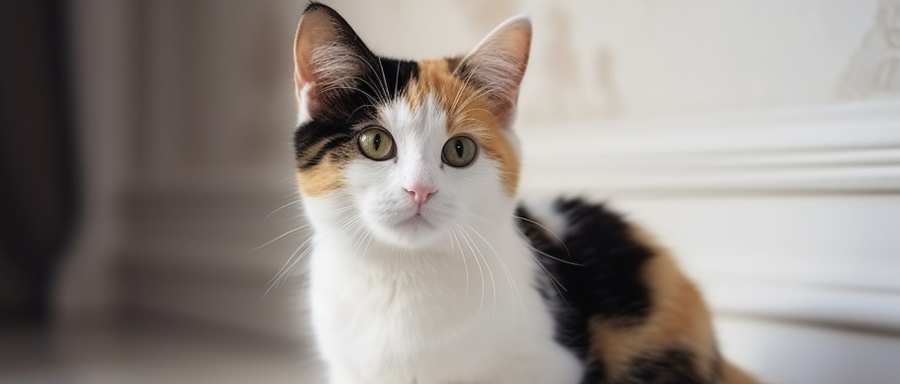
Orange tabby cats are not rare; they are one of the most common cat colors found in domestic breeds.
Understanding the Orange Tabby Coat
The orange tabby cat is a beloved and recognizable feline, often associated with warmth and charm. Their striking coat, characterized by its vibrant orange hue and distinct patterns, makes them stand out in any crowd. The tabby pattern comes in various forms, including classic, mackerel, spotted, and ticked. Each variation has its unique appeal, but they all share that eye-catching orange color.
The genetic makeup of these cats plays a significant role in their coat color. The gene responsible for the orange color is sex-linked, which means it’s carried on the X chromosome. This genetic quirk leads to a higher number of orange male cats compared to females. In fact, approximately 80% of orange tabbies are male. This fascinating genetic aspect raises questions about their population dynamics and rarity.
Common Breeds of Orange Tabby Cats
While any domestic cat can be an orange tabby, certain breeds are more commonly associated with this striking coloration. Here are some popular breeds known for their orange tabby individuals:
| Breed | Description |
|---|---|
| Domestic Shorthair | The most common breed found in homes; they can have various appearances and temperaments. |
| Maine Coon | A large breed known for its friendly nature and tufted ears; they often have beautiful orange tabby coats. |
| American Shorthair | A robust breed with a muscular build; they are known for their playful personality. |
| British Shorthair | This breed is recognized for its round face and dense coat; orange tabbies are quite popular among them. |
These breeds showcase how diverse the world of orange tabbies can be. Each breed brings its unique traits to the table, making every cat an individual with distinct characteristics.
The Personality of Orange Tabby Cats
Many people believe that coat color can influence personality traits in cats. While this notion isn’t scientifically proven, there’s a popular perception that orange tabbies tend to be friendly and social. Anecdotal evidence suggests that these felines often exhibit playful behavior and enjoy human companionship.
Their affectionate nature makes them excellent pets for families or individuals seeking a loving companion. They are typically curious cats who love to explore their surroundings and engage in interactive play. The vibrant personality of an orange tabby can brighten any home.
Are Orange Tabby Cats Rare? Exploring Their Population
The question “Are orange tabby cats rare?” comes up frequently among cat enthusiasts and potential adopters alike. To answer this question, it’s essential to consider their population relative to other colors and patterns.
Orange tabbies make up a significant portion of the domestic cat population. Their prevalence can be attributed to several factors:
1. Genetic Factors: As mentioned earlier, the gene responsible for the orange color is sex-linked, leading to more males than females.
2. Breeding Practices: Many breeders intentionally produce orange tabbies due to their popularity among pet owners.
3. Adoption Rates: Shelters often have a healthy number of orange tabbies available for adoption, making them accessible to those looking for a feline friend.
Based on these factors, it’s safe to say that orange tabby cats are not rare at all; rather, they are among the most commonly found domestic cats.
The Health Aspects of Orange Tabby Cats
Like all cats, orange tabbies can be prone to specific health issues based on their genetics and breed characteristics rather than their coat color alone. Regular veterinary check-ups and vaccinations play crucial roles in maintaining their health.
Some common health concerns include:
- Obesity: Due to their playful nature, maintaining an active lifestyle is vital for preventing obesity.
- Dental Issues: Regular dental care helps avoid common dental problems that many cats face.
- Genetic Conditions: Certain breeds may inherit specific conditions; therefore, knowing the breed’s history is essential.
Taking proactive steps towards health management ensures that an orange tabby’s life is long and happy.
Grooming Needs for Orange Tabby Cats
Grooming practices vary depending on whether the cat has short or long hair. For short-haired orange tabbies like Domestic Shorthairs or American Shorthairs, grooming may involve occasional brushing to remove loose fur and prevent matting. Long-haired breeds like Maine Coons require more frequent grooming sessions to keep their coats healthy and free from tangles.
Regardless of hair length, regular grooming helps reduce shedding around the house while also providing bonding time between the cat and owner. It’s also an excellent opportunity for checking skin conditions or parasites that may go unnoticed otherwise.
The Adoption Process: Finding Your Perfect Orange Tabby
When considering adding an orange tabby to your family, exploring local shelters or rescue organizations is a great place to start. Many shelters have dedicated programs aimed at finding homes for cats of all colors and patterns.
The adoption process typically involves:
1. Application Submission: Filling out an application helps shelters understand your lifestyle and preferences.
2. Meet-and-Greet: Spending time with potential pets allows you to gauge compatibility.
3. Home Visit: Some organizations may conduct home visits or interviews to ensure a safe environment for the new pet.
4. Finalization: Once approved, you’ll finalize paperwork before bringing your new furry friend home!
Each step helps ensure that both you and your future pet find a suitable match based on personality and lifestyle needs.
Training Tips for Your Orange Tabby Cat
Training an orange tabby can be rewarding due to their intelligent nature; however, patience is crucial during this process. Basic commands like “sit,” “stay,” or “come” can be taught using positive reinforcement techniques such as treats or praise when they respond correctly.
Creating a stimulating environment with toys will keep them engaged while reducing behavioral issues caused by boredom or frustration. Interactive playtime also strengthens the bond between owner and pet while providing much-needed exercise!
Setting boundaries early on helps establish good behavior patterns from the start—consistency is key! Over time it becomes easier as both owner and feline learn each other’s cues better!
The Joys of Living with an Orange Tabby Cat
Living with an orange tabby brings countless joys—their playful antics never fail to amuse! Watching them chase after toys or curl up next to you on lazy afternoons creates cherished memories that last forever!
Their affectionate nature adds warmth within households—whether they’re purring softly beside you while watching TV or playfully demanding attention during work hours!
These furry companions provide unconditional love which enriches lives immeasurably—making every moment spent together worthwhile!
In conclusion—when pondering “Are Orange Tabby Cats Rare?” it’s clear they’re anything but! Their charm lies not only in appearance but also personality traits making them ideal pets!
Conclusion – Are Orange Tabby Cats Rare?
Ultimately answering “Are Orange Tabby Cats Rare?” reveals that these delightful felines are quite common within domestic settings! Their vibrant coats coupled with engaging personalities make them favorites among cat lovers everywhere! Embracing one into your home promises companionship filled with laughter warmth joy—and endless cuddles!