
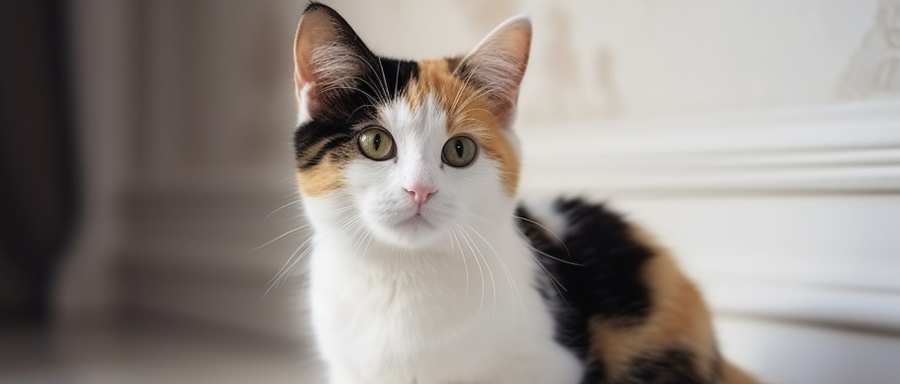
Peony leaves are toxic to cats, causing symptoms like vomiting and diarrhea if ingested.
The Appeal of Peonies in Gardens
Peonies are beloved flowers, celebrated for their lush blooms and delightful fragrance. They often grace gardens with vibrant colors, ranging from soft pastels to bold hues. These perennial plants thrive in various climates and can live for many years, making them a favorite among gardeners. The allure of peonies goes beyond their beauty; they symbolize prosperity and good fortune in many cultures. However, while these flowers may brighten up a garden, it’s crucial to consider their safety, especially for pet owners.
Cats are naturally curious creatures. They explore their surroundings with an inquisitive nature that can sometimes lead them into trouble. As a cat owner, ensuring a safe environment is paramount. This brings us to an important question: Are peony leaves poisonous to cats? Understanding the potential risks associated with these plants can help prevent unfortunate incidents.
Understanding Plant Toxicity
Plant toxicity is a significant concern for pet owners. Many common household and garden plants can pose health risks to pets if they ingest parts of the plant. Toxicity levels can vary widely among different species; some plants may cause mild stomach upset, while others can lead to severe health issues or even death.
Toxic compounds in plants often include alkaloids, glycosides, and oxalates. These substances can affect various body systems in animals. For instance, alkaloids might interfere with the nervous system or cause gastrointestinal distress. In contrast, oxalates can lead to kidney damage or other serious complications.
It’s essential for pet owners to familiarize themselves with the plants they have at home or in their gardens. Knowing which ones are safe and which ones pose risks can make a significant difference in keeping pets healthy.
Peonies: A Closer Look
Peonies belong to the genus Paeonia and are native to Europe, North America, and Asia. They typically bloom in late spring or early summer and come in several varieties, including herbaceous peonies and tree peonies. While the flowers themselves are stunning and often used in floral arrangements, the leaves and other parts of the plant require scrutiny regarding toxicity.
The primary concern lies within the leaves of the peony plant. While the flowers might be harmless when it comes to feline consumption, the foliage contains compounds that can be harmful if ingested by cats.
Toxic Compounds Found in Peonies
Research indicates that peony leaves contain certain toxic compounds that can lead to adverse reactions in cats. The most notable compound is called paeonol, which is known for its potential toxicity. When consumed by cats, it can result in various symptoms ranging from mild gastrointestinal upset to more severe reactions.
Here’s a quick overview of some common symptoms that may arise if a cat ingests peony leaves:
| Symptom | Description |
|---|---|
| Vomiting | Expelling stomach contents through the mouth |
| Diarrhea | Frequent loose or watery bowel movements |
| Lethargy | Decreased energy levels; excessive tiredness |
| Abdominal pain | Discomfort or pain in the stomach area |
| Loss of appetite | Reduced interest in food |
It’s crucial for cat owners to monitor their pets closely after potential exposure to toxic plants.
Signs of Peony Leaf Poisoning
Recognizing signs of poisoning early on can significantly impact treatment outcomes. If a cat has ingested peony leaves or any part of the plant, immediate attention is necessary.
Vomiting is often one of the first signs observed after ingestion of toxic plants. Cats might also exhibit diarrhea as their bodies attempt to rid themselves of harmful substances. Lethargy is another common symptom; cats may appear unusually tired or disinterested in activities they usually enjoy.
Abdominal pain could manifest as vocalization when touched or reluctance to move around as usual. If a cat shows any combination of these symptoms after being around peony plants or consuming their leaves, contacting a veterinarian should be a priority.
What To Do If Your Cat Ingests Peony Leaves
If there’s any suspicion that a cat has ingested peony leaves, swift action is vital. The first step involves assessing the situation calmly but quickly:
1. Identify Symptoms: Monitor your cat for any signs mentioned earlier—vomiting, diarrhea, lethargy.
2. Contact Your Veterinarian: Providing details about what your cat may have consumed helps veterinarians determine the best course of action.
3. Do Not Induce Vomiting Without Guidance: While it might seem logical to induce vomiting if you suspect ingestion of toxic material, this should only be done under veterinary guidance.
4. Follow Veterinary Instructions: Depending on severity and timing since ingestion occurred, your vet may recommend bringing your cat in for examination or monitoring at home.
Early intervention increases chances of recovery without long-term effects from poisoning.
Preventing Access To Peonies
Creating a safe environment for cats involves taking proactive steps to prevent access to potentially harmful plants like peonies. Here are some strategies:
1. Placement Matters: Ensure that any peony plants are located out of reach from curious paws—consider elevated garden beds or hanging pots.
2. Use Barriers: Fencing around garden areas where peonies grow can deter pets from wandering too close.
3. Educate Family Members: Make sure everyone understands which plants are harmful so they can help monitor pet behavior outdoors.
4. Consider Alternatives: If gardening with pets poses too much risk due to toxic plants like peonies, exploring non-toxic alternatives might be worthwhile.
Many beautiful flowers exist that pose no threat whatsoever!
Non-Toxic Plants for Cat Owners
For those who love gardening but want peace of mind regarding pet safety, selecting non-toxic options is essential:
| Plant Name | Description |
|---|---|
| Spider Plant | Hardy indoor plant known for its air-purifying qualities |
| Boston Fern | Lush green foliage; great for hanging baskets |
| Bamboo Palm | Adds tropical flair while being safe for pets |
| African Violet | Beautiful flowering houseplant that’s non-toxic |
Choosing these alternatives allows pet owners to maintain beautiful spaces without compromising their furry friends’ health.
Conclusion – Are Peony Leaves Poisonous To Cats?
In summary, yes—peony leaves are indeed poisonous to cats! Understanding this fact empowers pet owners to make informed choices about their gardens and home environments. Keeping an eye on what our feline companions explore ensures we create safe spaces where they thrive without risk.
By being proactive about plant selection and monitoring our pets’ behaviors outdoors, we contribute significantly toward preventing unfortunate incidents related to plant toxicity—especially concerning beautiful yet dangerous options like peonies!