
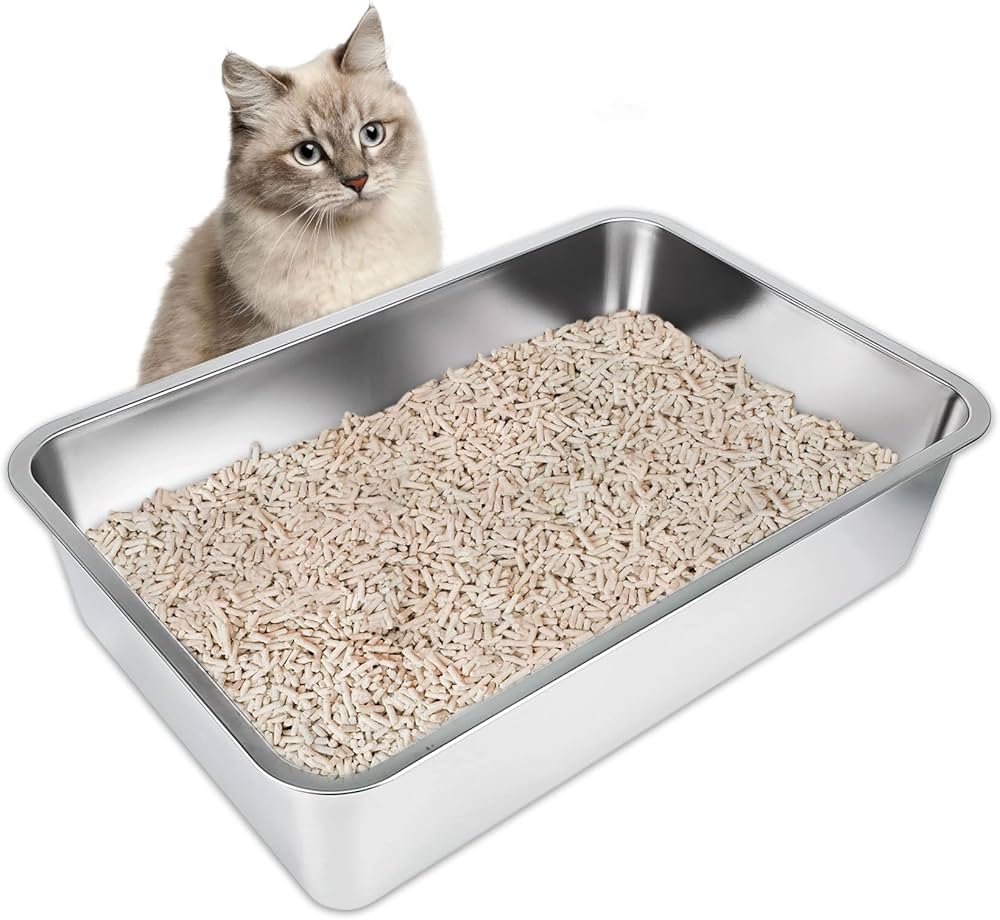
Pine pellets can be an effective and eco-friendly alternative to traditional cat litter, offering excellent odor control and absorbency.
The Basics of Cat Litter
Choosing the right cat litter is crucial for both the feline friend and the owner. With a plethora of options available on the market, it can be overwhelming. Traditional clay litters, crystal litters, and natural alternatives like pine pellets all have their pros and cons. Understanding these options helps in making an informed decision.
Clay-based litters are popular due to their clumping ability and affordability. However, they often contain additives that might not be safe for pets. Crystal litters are known for their absorbency but can be harsh on sensitive paws. Natural alternatives such as pine pellets have gained traction recently, particularly among environmentally conscious pet owners.
What Are Pine Pellets?
Pine pellets are made from compressed sawdust, primarily derived from pine trees. They’re commonly used as bedding for small animals but have found their way into the cat litter market. The process of making these pellets involves drying sawdust and then compressing it into small cylindrical shapes. This method not only reduces waste but also creates a product that is highly absorbent and effective at controlling odors.
One of the standout features of pine pellets is their natural properties. Pine contains compounds called phenols that can help neutralize odors, making them particularly appealing for use as cat litter. Additionally, since they are made from renewable resources, they align well with sustainable living practices.
Benefits of Using Pine Pellets
Using pine pellets as cat litter comes with several advantages:
1. Odor Control
Pine pellets excel in odor control due to the natural phenols in pine wood. These compounds help to neutralize ammonia odors that can arise from cat urine. Many pet owners appreciate this feature since it contributes to a fresher-smelling home.
2. Absorbency
The absorbent nature of pine pellets means they can soak up moisture effectively. When a cat uses the litter box, the pellets break down into sawdust, trapping moisture and odors within their structure.
3. Environmentally Friendly
For those concerned about environmental impact, pine pellets are a fantastic choice. They’re biodegradable and made from renewable resources, reducing reliance on non-renewable materials like clay.
4. Lightweight
Compared to traditional clay litters, pine pellets are lighter in weight, making them easier to handle when filling or cleaning the litter box.
5. Cost-Effective
While initial costs may vary depending on location and brand, pine pellets often prove to be cost-effective over time due to their durability and absorbency.
How Pine Pellets Compare to Other Litters
To better understand how pine pellets stack up against traditional options like clay litter or crystal litter, it’s helpful to look at a comparison table:
| Litter Type | Odor Control | Absorbency | Environmental Impact | Cost |
|---|---|---|---|---|
| Pine Pellets | Excellent | High | Biodegradable | Moderate |
| Clay Litter | Good (may contain additives) | High (clumping) | Non-biodegradable | Low (affordable) |
| Crystal Litter | Good (but may cause dust) | Very High | Semi-biodegradable (depends on brand) | High (premium price) |
This table highlights key differences among various types of cat litter and shows that while each has its benefits, pine pellets offer unique advantages worth considering.
Pine Pellet Usage Tips
Using pine pellets effectively requires some adjustments compared to traditional litters:
Selecting the Right Pellets
Not all pine pellets are created equal; some are specifically designed for animal bedding rather than cat litter. It’s essential to choose products labeled for use as cat litter or those that specify they are safe for pets.
Litter Box Setup
When transitioning to pine pellets, start by filling the litter box with about two inches of pellets. Cats typically prefer a deeper layer of litter; this depth allows them to dig comfortably without feeling restricted.
Cleansing Routine
Regular cleaning is vital for maintaining hygiene in the litter box. Scoop out any clumped sawdust daily and replace it with fresh pellets as needed. Complete changes should occur every two weeks or sooner if odors develop.
Avoiding Dust Issues
While pine pellets produce less dust than clay litters, some dust may still occur during pouring or scooping. Pouring slowly can minimize this issue while ensuring minimal disturbance to your feline’s space.
Pine Pellets vs Traditional Cat Litters: What Owners Say?
Many pet owners have embraced pine pellets after switching from traditional options like clay or crystal litters. The feedback often highlights several common themes:
- Odor Control: A majority express satisfaction with how well pine manages odors compared to other options.
- Dust Levels: Users appreciate reduced dust levels during use compared to clay alternatives.
- Sustainability: Environmentally conscious owners feel good about choosing a biodegradable product.
- Transition Ease: While some cats take time to adjust to new textures, many adapt quickly after initial hesitations.
However, there are also challenges noted by users:
- Texture Preference: Some cats may prefer traditional clumping litters over the texture of sawdust.
- Tracking: Like any litter type, tracking can occur when cats exit the box; however, many find this manageable with mats or regular cleaning routines.
Ultimately, experiences vary based on individual cats’ preferences and habits.
The Health Aspect of Pine Pellets in Cat Litter Use
Health considerations should always factor into decisions regarding pet products:
Toxicity Concerns
One major advantage of using pine is its non-toxic nature when sourced properly; however, ensuring that no harmful chemicals were used during processing is crucial. Always opt for brands that prioritize safety standards in production processes.
Avoiding Allergens & Sensitivities
Cats can develop sensitivities or allergies related to certain materials found in conventional litters such as fragrances or chemical additives present in clumping agents; using natural products like pine minimizes these risks significantly.
Additionally, monitoring your cat’s reaction during transition periods allows early detection if any issues arise related specifically back towards health concerns linked directly with new products introduced into their environment.
Pine Pellet Disposal Methods: What To Do With Used Litter?
Disposing of used cat litter requires careful consideration:
- Composting: Since most brands offer biodegradable options; composting used sawdust makes sense if done correctly—ensuring no harmful pathogens remain post-use before adding compost piles.
- Trash Disposal: If composting isn’t feasible—placing bags containing soiled material directly into trash bins works too—just ensure proper sealing prevents leakage or odor escape!
Utilizing appropriate disposal methods ensures responsible usage while minimizing environmental impacts associated with waste generation overall!
The Cost Factor in Choosing Pine Pellets as Cat Litter
Cost plays an essential role when selecting any product—including kitty care supplies! While initial prices might appear higher than conventional choices—long-term savings arise through reduced frequency required changing out entire boxes plus increased durability resulting from superior absorption capabilities inherent within pellet structures themselves!
Many find themselves pleasantly surprised at how economical switching proves once factoring total expenses incurred throughout extended periods versus sticking solely conventional alternatives alone!
In summary—while upfront costs could differ slightly—the overall value derived typically outweighs short-term considerations alone!
After exploring various aspects surrounding this topic—it’s clear that using pine pellets offers numerous benefits worth considering! Their excellent odor control capabilities combined with high absorbency rates make them appealing alternatives for many households looking towards eco-friendly options without sacrificing performance standards expected from conventional counterparts!
In conclusion—yes—pine pellets are indeed good choices when seeking suitable replacements within realms concerning feline waste management practices!