
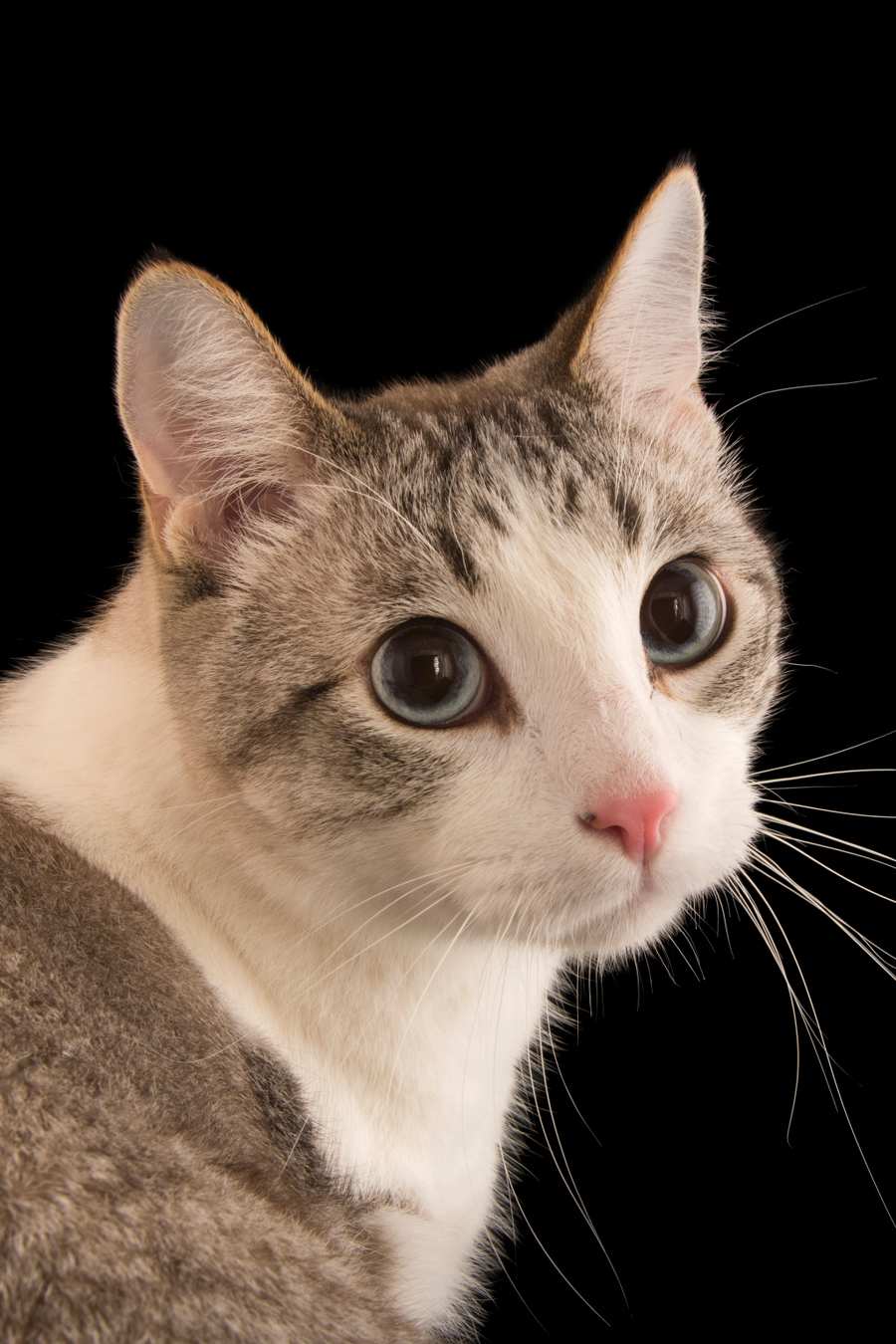
Cats can be quite wary of balloons due to their unpredictable movement and bright colors, which can startle them.
Understanding Feline Fear and Curiosity
Cats are fascinating creatures, known for their independent nature and quirky behaviors. One of the more interesting aspects of cat behavior is their response to various stimuli in their environment. The question, “Are Cats Afraid Of Balloons?” often arises among pet owners who notice their feline friends reacting with fear or anxiety when a balloon enters the room. This reaction can stem from several factors, including a cat’s natural instincts and their experiences.
Cats are instinctively cautious animals. In the wild, they rely on their acute senses to detect potential threats. A balloon, with its bright colors and tendency to move unpredictably, can trigger a cat’s flight response. It’s essential to understand that this fear is not irrational; rather, it is a survival mechanism ingrained in them over thousands of years.
Furthermore, cats are creatures of habit. They thrive in familiar environments where they can predict outcomes. The sudden appearance of a balloon can disrupt this sense of security. For many cats, anything that rolls or floats unpredictably is cause for concern. This behavior highlights the importance of providing a safe space for cats where they can explore without fear.
The Science Behind Fearful Reactions
Cats have a unique way of processing stimuli in their environment. Their brains are wired to prioritize survival over curiosity. When faced with something unfamiliar—like a balloon—cats may react in one of several ways: they might freeze in place, dart away, or display aggressive behavior.
To understand why cats exhibit these behaviors towards balloons, it’s helpful to look at the science behind feline perception:
1. Sensory Processing
Cats possess highly developed senses that help them navigate their surroundings. Their acute hearing allows them to detect high-frequency sounds that humans cannot hear, while their keen eyesight enables them to spot movement even in dim light. A balloon’s sudden movement or the sound it makes when it pops can overwhelm a cat’s sensitive senses.
2. Instinctual Responses
In nature, cats are both predators and prey. This dual role has shaped their instinctual responses over time. When they encounter something new or potentially dangerous—like a balloon—they may revert to instinctual behaviors designed for survival. This might include hiding, fleeing, or even exhibiting aggressive postures.
3. Past Experiences
A cat’s previous experiences significantly influence its behavior towards new objects or situations. If a cat has had a negative experience with balloons—such as being startled by one popping—it may develop an aversion to them. Conversely, if a cat has been exposed to balloons in a positive context (like playtime), it may react more curiously than fearfully.
The Role of Socialization
Socialization plays an important role in how cats respond to various stimuli, including balloons. Kittens go through critical developmental stages during which they learn about their environment and how to interact with it safely.
1. Early Exposure
Kittens that are exposed to various objects and experiences during their formative weeks tend to be more adaptable as adults. If kittens have positive interactions with items like balloons—perhaps through gentle play—they’re less likely to react fearfully later in life.
2. Environmental Enrichment
Providing an enriched environment for cats can help reduce anxiety toward unfamiliar objects like balloons. Toys that mimic the movement or appearance of balloons can encourage curiosity instead of fear. Engaging cats with interactive play helps them build confidence in exploring new things.
Common Reactions Cats Have Towards Balloons
When introducing balloons into a cat’s environment, it’s helpful to understand the common reactions they might display:
| Reaction | Description |
|---|---|
| Hiding | The cat may retreat to a safe space when encountering the balloon. |
| Fleeing | A sudden dart away from the balloon indicates fright. |
| Cautious Approach | The cat might approach slowly, assessing the object from a distance. |
| Pawing or Batting | If curious enough, some cats may bat at the balloon cautiously. |
| Aggression (Hissing/Swatting) | A defensive posture may occur if the cat feels threatened. |
Understanding these reactions helps pet owners create safer environments for their pets when introducing new items like balloons.
Safety Tips for Introducing Balloons to Cats
If there’s an occasion where balloons will be present—like parties or celebrations—it’s wise to consider how best to introduce them into your cat’s space:
1. Supervised Introductions
Always supervise your cat when introducing balloons into your home environment. Allowing your pet to explore at its own pace while ensuring safety is crucial.
2. Use Helium Balloons Sparingly
Helium-filled balloons float high above ground level and might be less intimidating than those on the floor but could pose risks if released outdoors where they could become entangled in trees or power lines.
3. Avoid Popping Near Your Cat
The sound of popping can be startling for many animals; thus, it’s best not to pop balloons around your pet unless you’re certain it won’t cause undue stress.
4. Create Positive Associations
Introduce toys resembling balloons before actual ones come into play; this helps form positive associations without immediate fear responses.
Coping Strategies for Anxious Cats
For those feline friends who show significant anxiety around balloons—or other unfamiliar objects—there are strategies that can help ease their fears:
1. Gradual Desensitization
Desensitization involves slowly exposing your cat to the object causing anxiety—in this case, balloons—in controlled settings until they become more comfortable around them.
2. Positive Reinforcement Training
Using treats and praise when your cat displays calm behavior around balloons reinforces positive associations with these objects over time.
3. Safe Spaces & Retreats
Ensure your home has designated safe spaces where your cat can retreat if feeling overwhelmed by environmental changes during events featuring balloons.
The Importance of Understanding Your Cat’s Behavior
Every feline is unique; understanding individual personalities helps owners respond appropriately when concerns arise regarding specific stimuli like balloons:
- Observe Reactions: Paying attention allows owners insight into what triggers anxiety.
- Tailor Environments: Adjustments based on observed behaviors create safer spaces conducive for exploration.
- Consult Professionals: If anxiety persists despite efforts taken at home seeking advice from veterinarians or animal behaviorists could provide additional support strategies tailored specifically for each situation encountered by pets experiencing heightened stress levels due unexpected encounters such as those involving foreign objects like colorful floating spheres!
Key Takeaways: Cats and Balloons
➤ Cats are instinctively cautious: Balloons’ unpredictable movements trigger fear. ➤ Bright colors startle: The vibrant appearance of balloons can overwhelm cats. ➤ Past experiences matter: Negative encounters with balloons can cause aversion. ➤ Socialization is key: Early exposure to various stimuli helps reduce fear. ➤ Create safe environments:Create safe environments:
Frequently Asked Questions: Are Cats Afraid Of Balloons?
Why do cats react fearfully to balloons?
Cats often react fearfully to balloons due to their instinctual responses and acute senses. The unpredictable movement of a balloon can startle them, triggering a flight response. Cats are naturally cautious and prefer familiar environments. When they encounter something new, like a balloon, it can disrupt their sense of security.
This reaction is not irrational; it stems from survival instincts developed over thousands of years. Understanding this behavior helps pet owners create safer environments for their cats.
Can socialization influence a cat’s fear of balloons?
Yes, socialization plays a significant role in how cats respond to balloons. Kittens exposed to various objects during their early developmental stages tend to be more adaptable as adults. Positive interactions with items like balloons can reduce fear responses later in life.
Conversely, if a kitten has negative experiences with balloons, such as being startled by one popping, it may develop an aversion. Early exposure can foster curiosity instead of fear.
What should I do if my cat is afraid of balloons?
If your cat shows fear towards balloons, gradual desensitization is an effective strategy. Start by exposing your cat to the balloon from a distance, allowing them to observe without pressure. Over time, you can slowly bring the balloon closer while monitoring their comfort level.
Additionally, using treats and praise when your cat displays calm behavior around balloons can reinforce positive associations. Creating safe spaces for your cat to retreat can also help them feel secure during introductions.
Are there specific types of balloons that are less intimidating for cats?
Yes, helium-filled balloons that float high may be less intimidating than those on the floor. Floating balloons move differently and may not trigger the same instinctual fears as those that roll or bounce unpredictably on the ground.
However, it’s essential to supervise your cat around any type of balloon and introduce them gradually. Avoid popping balloons near your cat, as the sound can be startling and exacerbate their anxiety.
How can I create positive associations with balloons for my cat?
Creating positive associations involves introducing toys that resemble balloons before actual ones come into play. This method allows your cat to explore similar shapes without the immediate stress associated with real balloons.
You can also engage in interactive play sessions using these toys, rewarding your cat with treats or praise when they show curiosity or calmness around them. This strategy helps build confidence and reduces anxiety over time.
Conclusion – Are Cats Afraid Of Balloons?
In conclusion, many factors contribute to whether cats are afraid of balloons—from instinctual fears rooted deep within their psyche through sensory processing challenges leading up past experiences influencing current reactions observed today! Understanding these elements allows pet owners not only better manage interactions between felines and foreign objects but also foster healthier environments promoting exploration without unnecessary stressors hindering natural curiosity found within every adorable kitty!