
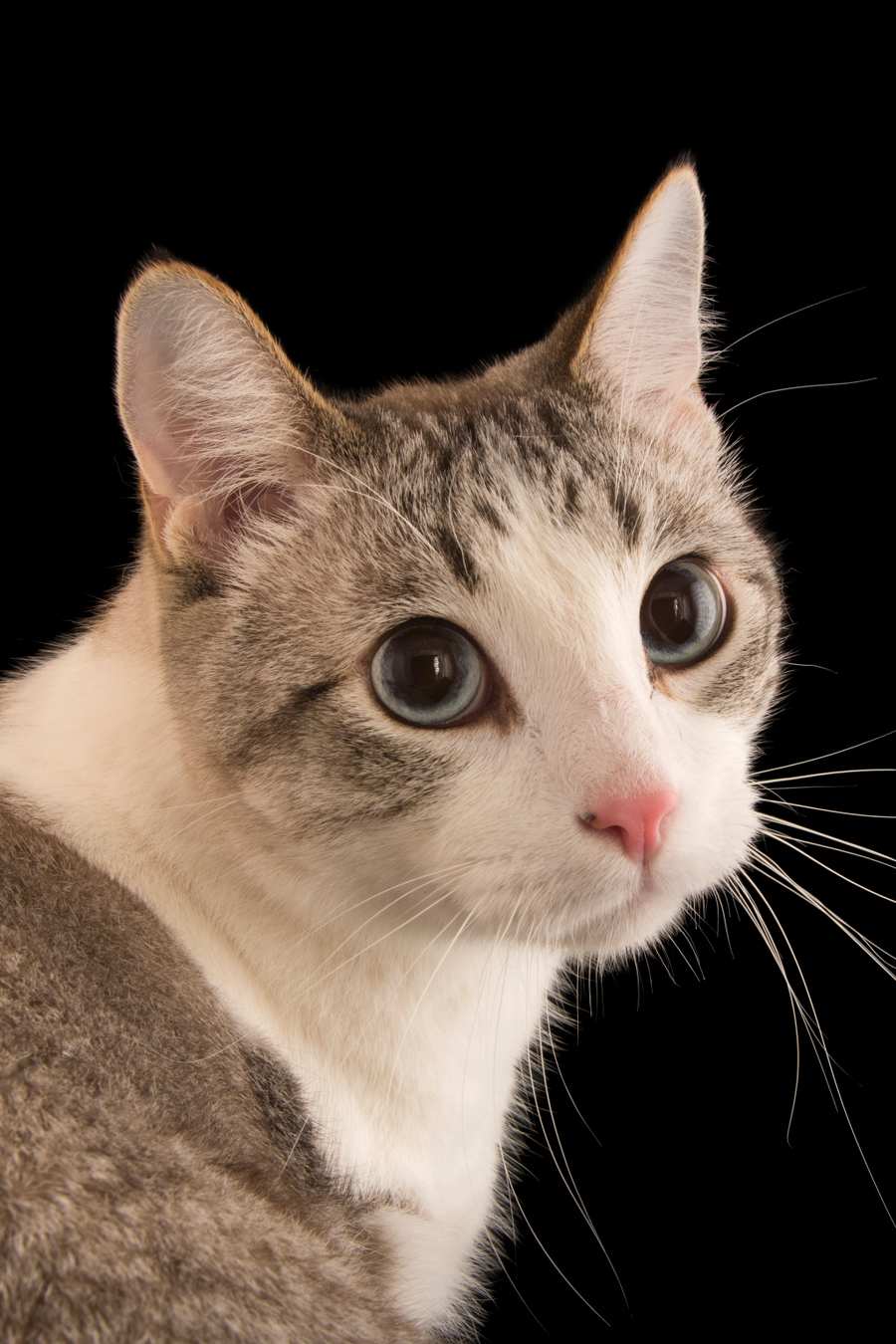
Cats can exhibit fear during storms due to loud noises and sudden changes in their environment.
Understanding Feline Behavior During Storms
Storms can be quite a spectacle, but for cats, they often bring anxiety and fear. The loud claps of thunder, bright flashes of lightning, and the unpredictable nature of a storm can create an overwhelming experience for our feline friends. It’s essential to understand that cats are creatures of habit, and any sudden change in their environment can trigger a stress response.
Cats have an acute sense of hearing, which is far superior to that of humans. They can hear sounds at frequencies up to 64 kHz, while we max out around 20 kHz. This heightened sensitivity means that the rumble of thunder may sound much louder and more frightening to them than it does to us. Additionally, the vibrations from thunder can be felt through the ground, adding another layer of discomfort for these sensitive animals.
When a storm approaches, many cats will seek out hiding places. They may retreat under furniture, in closets, or even in small spaces where they feel safer. This behavior is instinctual; in the wild, finding a secure spot helps them avoid potential threats. Understanding this instinctive behavior is crucial for pet owners who want to help their cats feel more secure during storms.
Signs That Your Cat Is Afraid
Recognizing when a cat is scared can be challenging since they often hide their feelings well. However, there are several signs that indicate fear or anxiety during storms:
- Hiding: Cats may seek refuge in small spaces or under furniture.
- Vocalization: Increased meowing or yowling can signal distress.
- Pacing: Some cats may walk back and forth restlessly.
- Aggression: Fear can lead to defensive behavior; a normally docile cat might swat or hiss.
- Excessive Grooming: Stress may cause some cats to groom themselves excessively.
- Loss of Appetite: A scared cat might refuse food or treats.
Understanding these signs helps in addressing their needs during stormy weather.
The Science Behind Fear in Cats
Fear in animals is often tied to survival instincts. For cats, loud noises like thunder can signal danger. In the wild, such sounds could indicate predators or other threats. This instinctual response is deeply rooted in their biology.
The brain’s amygdala plays a crucial role in processing fear responses. When exposed to frightening stimuli like storms, the amygdala activates the fight-or-flight response. For domestic cats, this often results in fleeing to a safe space rather than confronting the source of their fear.
Moreover, studies have shown that early experiences shape how animals respond to stress later in life. Kittens exposed to various sounds and environments during critical developmental stages tend to handle stress better as adults. Conversely, those with limited exposure may become more fearful when faced with new experiences like thunderstorms.
Coping Strategies for Cat Owners
Helping a cat cope with fear during storms requires understanding and preparation. Here are several strategies that can ease your feline’s anxiety:
Create a Safe Space
Designate an area in your home where your cat feels safe. This could be a cozy bed or blanket tucked away from windows and doors where they can’t see the storm outside. Adding familiar toys or items with your scent can further comfort them.
Use Calming Products
There are various products available designed specifically for anxious pets:
- Pheromone Diffusers: These mimic natural calming scents that help reduce anxiety.
- Anxiety Wraps: Similar to swaddling an infant, these wraps apply gentle pressure around your cat’s body.
- Calming Treats: Special treats infused with calming ingredients like chamomile or valerian root may help soothe anxious cats.
Avoid Reinforcing Fearful Behavior
While it’s tempting to comfort a scared cat by petting them excessively when they’re frightened, this could inadvertently reinforce their fearful behavior. Instead, try to remain calm yourself and engage them with gentle distractions like playtime or treats when they seem less anxious.
Establish a Routine
Cats thrive on routine; maintaining regular feeding times and play sessions can provide stability during chaotic weather conditions. A predictable schedule helps reduce overall stress levels.
The Role of Training and Desensitization
Training plays an essential role in helping cats manage their fear responses over time. Desensitization involves gradually exposing your cat to sounds associated with storms at low volumes while providing positive reinforcement through treats or playtime.
Start by playing recordings of thunderstorms at a low volume while engaging your cat in enjoyable activities. Slowly increase the volume over time as they become accustomed to the sound without displaying signs of distress.
This method not only helps reduce fear but also builds confidence within your cat as they learn that these sounds do not pose any real threat.
A Table of Common Signs of Fear in Cats
| Sign | Description |
|---|---|
| Hiding | Cats retreating under furniture or into small spaces. |
| Vocalization | Loud meowing or yowling indicating distress. |
| Pacing | Nervous walking back and forth showing restlessness. |
| Aggression | Sudden swatting or hissing due to heightened anxiety. |
| Excessive Grooming | Scratching and licking leading to bald patches on fur. |
| Loss of Appetite | A refusal to eat food even if it’s favorite treats. |
Recognizing these signs allows owners to act promptly when storms approach.
The Importance of Veterinary Guidance
In cases where a cat exhibits extreme fear responses during storms—such as destructive behavior—consulting with a veterinarian is advisable. They might recommend behavioral therapies or prescribe medication designed specifically for anxiety relief.
Veterinarians often suggest combining behavioral strategies with medication for optimal results if necessary. Each cat is unique; what works for one might not work for another.
Regular check-ups ensure underlying health issues aren’t contributing factors to anxiety levels as well.
The Impact of Environment on Feline Anxiety Levels
The environment significantly influences how cats react during storms. Factors such as previous experiences with thunderstorms, household noise levels, and even other pets’ behaviors all contribute to how anxious a cat may feel.
Cats raised in quieter households might react more strongly than those accustomed to various environmental noises throughout their lives. Similarly, if another pet displays fear during storms—like barking dogs—this could amplify the cat’s anxiety levels due to learned behavior through social interaction within the household context.
Creating an environment that minimizes noise pollution—like closing windows—can help reduce stress levels significantly during stormy weather conditions too.
The Long-term Effects of Storm Anxiety on Cats
Long-term exposure to stressful situations without intervention can lead to chronic anxiety issues in cats over time. This condition manifests itself through behavioral changes such as increased aggression toward other pets or humans within the household.
Chronic stress also affects physical health; it weakens immune systems making them susceptible not just emotionally but physically vulnerable too!
Thus addressing storm-related fears early on ensures better mental health outcomes down the line while promoting happier overall lives for our furry companions!
Key Takeaways: Feline Fear Factors
➤ Cats Experience Fear: Loud noises and sudden changes trigger anxiety.
➤ Instinctual Hiding: Cats seek safe spaces during storms to feel secure.
➤ Recognizing Signs: Look for hiding, vocalization, and pacing as indicators.
➤ Coping Strategies: Create safe areas and use calming products for comfort.
➤ Veterinary Guidance: Consult a vet for extreme anxiety or behavioral issues.
➤ Veterinary Guidance: Consult a vet for extreme anxiety or behavioral issues.
Frequently Asked Questions: Are Cats Afraid Of Storms?
What causes cats to be afraid of storms?
Cats are often afraid of storms due to their acute sense of hearing, which allows them to perceive sounds at much higher frequencies than humans. This sensitivity means that the loud claps of thunder can be perceived as extremely loud and frightening. Additionally, sudden changes in the environment, such as bright flashes of lightning and strong winds, can trigger a stress response in cats.
Instinctually, cats associate loud noises with potential danger. In the wild, such sounds may indicate predators or other threats. This innate fear response is a survival mechanism that has been passed down through generations.
How can I tell if my cat is scared during a storm?
Recognizing signs of fear in your cat during storms is crucial for addressing their needs. Common indicators include hiding in small spaces or under furniture, which provides them a sense of security. Increased vocalization, such as meowing or yowling, can also signal distress.
Other signs include pacing restlessly, showing aggression like swatting or hissing, excessive grooming due to stress, and loss of appetite. Being aware of these behaviors allows owners to provide timely comfort and reassurance.
What strategies can help calm my cat during a storm?
Creating a safe space for your cat is one effective strategy. This space should be away from windows and filled with familiar items like blankets or toys that carry your scent. Additionally, consider using calming products like pheromone diffusers or anxiety wraps that apply gentle pressure around their body.
Maintaining a regular routine can also help reduce anxiety levels during storms. Regular feeding times and play sessions provide stability that comforts your cat during unpredictable weather conditions.
Can training help reduce my cat’s fear of storms?
Yes, training can play an essential role in helping cats manage their fear responses over time. Desensitization techniques involve gradually exposing your cat to sounds associated with storms at low volumes while providing positive reinforcement through treats or playtime.
This method helps cats learn that these sounds do not pose any real threat. Over time, as they become accustomed to the noise without displaying distress, their overall anxiety levels may decrease significantly.
When should I consult a veterinarian about my cat’s storm anxiety?
If your cat exhibits extreme fear responses during storms—such as destructive behavior or severe panic—consulting with a veterinarian is advisable. They can recommend behavioral therapies tailored for your pet’s needs or prescribe medication designed specifically for anxiety relief.
Each cat is unique; understanding what works best for one may not apply to another. Regular veterinary check-ups are also important to rule out any underlying health issues contributing to your cat’s anxiety levels.
Conclusion – Are Cats Afraid Of Storms?
Understanding whether cats are afraid of storms involves recognizing their unique sensitivities and instincts shaped by both biology and experience throughout their lives. It’s clear that many felines do indeed experience fear during thunderstorms due largely because loud noises trigger primal survival instincts rooted deep within them!
By employing thoughtful coping strategies—from creating safe spaces filled with comforting items—to exploring training methods aimed at desensitization alongside seeking veterinary guidance if needed—pet owners can help alleviate some fears associated with stormy weather effectively!
Ultimately fostering an environment conducive towards reducing anxiety ensures happier healthier lives for our beloved feline friends!