
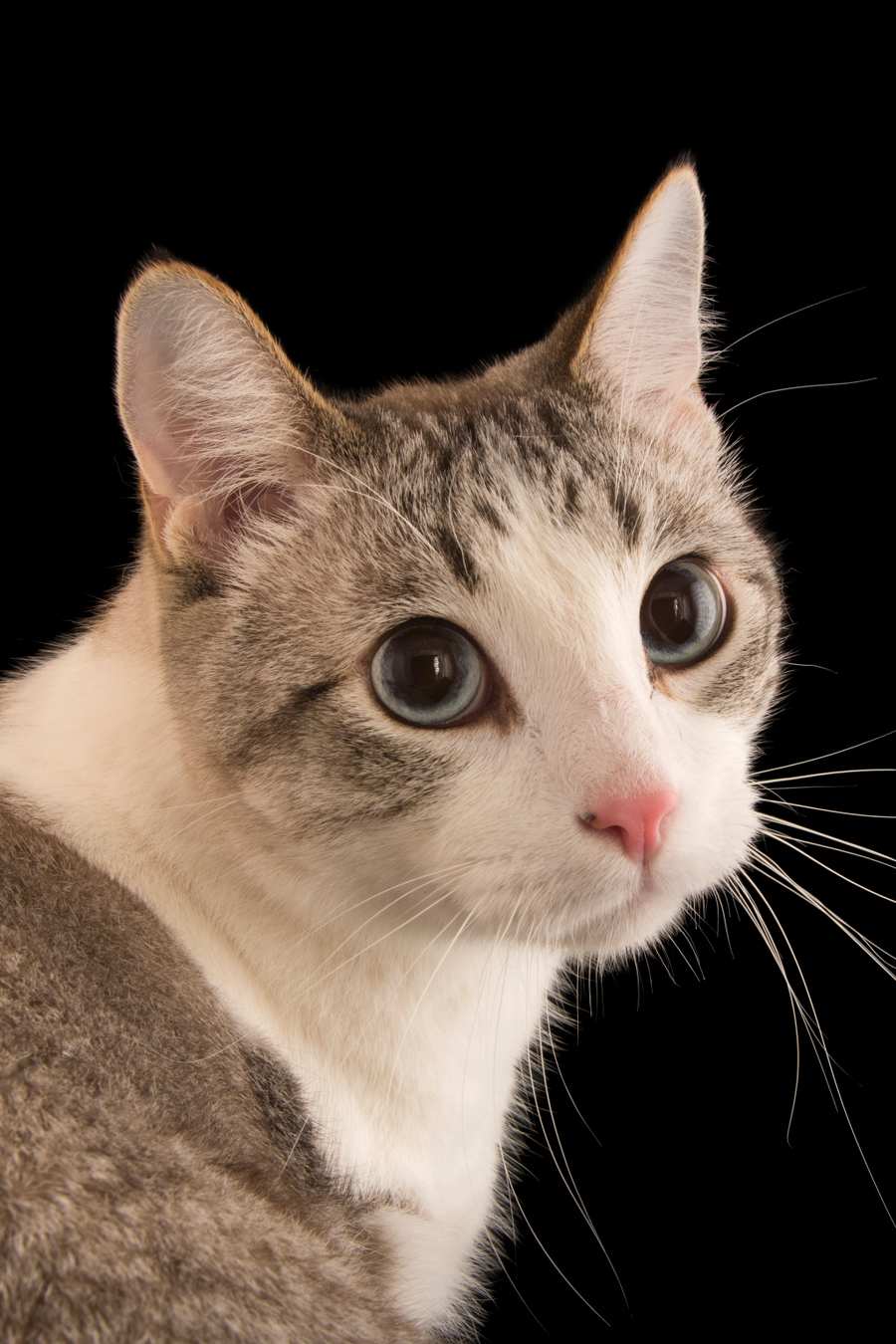
Yes, cats can be allergic to amaryllis, which can cause various symptoms like vomiting and lethargy.
Cats are known for their curious nature, often exploring their surroundings with a keen sense of smell and taste. This inquisitiveness can lead them to nibble on plants, some of which may pose health risks. One such plant is the amaryllis. Understanding whether cats are allergic to amaryllis is crucial for pet owners who want to ensure a safe environment for their furry friends.
What Is Amaryllis?
Amaryllis is a popular flowering plant that belongs to the Amaryllidaceae family. Known for its large, vibrant blooms, it often graces homes during the winter months. The most commonly cultivated species is Hippeastrum, which is frequently sold as “amaryllis” in stores. These plants thrive indoors and are relatively easy to care for, making them a favorite among houseplant enthusiasts.
The striking flowers of amaryllis come in various colors, including red, pink, white, and orange. They typically bloom in late winter or early spring, providing a splash of color during the dreariest months of the year. However, while beautiful, these plants can pose a risk to pets.
Are Amaryllis Toxic to Cats?
The toxicity of amaryllis to cats is an important aspect to consider when discussing whether they can be allergic to this plant. The American Society for the Prevention of Cruelty to Animals (ASPCA) classifies amaryllis as toxic to cats due to its bulb and foliage containing harmful compounds such as lycorine.
Lycorine can lead to various symptoms if ingested by cats. Common signs of toxicity include:
- Vomiting
- Diarrhea
- Lethargy
- Abdominal pain
- Tremors or seizures in severe cases
If a cat consumes any part of an amaryllis plant, it’s vital for pet owners to monitor their furry companions closely for these signs.
Symptoms of Allergic Reactions in Cats
When discussing whether cats are allergic to amaryllis, it’s essential to differentiate between toxicity and allergies. Allergic reactions occur when the immune system reacts negatively to a substance. In cats, common symptoms of allergies include:
- Itching or scratching
- Red or inflamed skin
- Excessive grooming
- Sneezing or coughing
- Vomiting or diarrhea (in some cases)
While allergies can manifest in various ways depending on the individual cat and the allergen involved, it’s critical for pet owners to recognize these signs promptly.
The Connection Between Amaryllis and Allergies in Cats
Research on whether cats are specifically allergic to amaryllis is limited; however, some anecdotal evidence suggests that certain felines may indeed have allergic reactions after exposure. The pollen from flowering plants can trigger respiratory issues or skin irritations in sensitive cats.
If a cat shows any signs of an allergic reaction after being around an amaryllis plant—such as sneezing or itching—it’s wise for pet owners to consult with a veterinarian. Identifying the specific allergen through testing may be necessary.
Table: Common Symptoms of Amaryllis Poisoning vs. Allergy Symptoms in Cats
| Symptom Type | Toxicity Symptoms (Amaryllis) | Allergy Symptoms (Possible Reaction) |
|---|---|---|
| Vomiting | Common | Possible |
| Diarrhea | Common | Possible |
| Lethargy | Common | Possible but less frequent |
| Sneezing/Coughing | No | Common in allergies |
| Itching/Skin Irritation | No | Common in allergies |
Understanding these differences helps clarify whether a cat’s symptoms stem from ingestion or an allergic reaction after exposure.
Caring for Cats Around Amaryllis Plants
For cat owners who love gardening or decorating with indoor plants like amaryllis but also want to keep their pets safe, there are several precautions that can be taken:
1. Placement: Keep amaryllis plants out of reach from curious paws. High shelves or hanging baskets work well.
2. Education: Familiarize yourself with other plants that are toxic or potentially harmful to cats.
3. Alternatives: Consider non-toxic houseplants that offer similar aesthetic appeal without health risks.
4. Monitoring: Regularly check your cat for any signs of distress if they have access to areas where plants are kept.
Taking these steps not only ensures your cat’s safety but also allows you to enjoy your green space without worry.
Treatment Options for Affected Cats
If it’s suspected that a cat has ingested amaryllis or shown signs of an allergic reaction after exposure, immediate veterinary care is essential. Treatment options may include:
- Inducing Vomiting: If ingestion was recent, a vet might induce vomiting to prevent further absorption of toxins.
- Activated Charcoal: Administering activated charcoal can help absorb toxins within the gastrointestinal tract.
- Supportive Care: IV fluids may be necessary if dehydration occurs due to vomiting or diarrhea.
- Antihistamines: For allergy symptoms like itching or sneezing, antihistamines prescribed by a veterinarian may provide relief.
- Corticosteroids: In more severe cases requiring immediate attention due to inflammation or severe allergic reactions.
Timely intervention plays a crucial role in recovery outcomes when dealing with potential poisoning from toxic plants like amaryllis.
The Importance of Pet Education on Plant Safety
Educating oneself about plant safety can significantly reduce risks associated with household flora and fauna interactions. Understanding which plants are toxic versus non-toxic empowers pet owners and fosters safer environments for pets.
Resources such as ASPCA’s Poison Control website offer comprehensive lists detailing which plants pose risks and how best to manage those risks effectively.
Furthermore, sharing this knowledge with friends and family who own pets ensures collective awareness about keeping animals safe from dangerous flora.
The Role of Vets in Plant Toxicity Awareness
Veterinarians play an integral role in educating pet owners about potential hazards associated with household plants. Regular check-ups provide opportunities for discussions about pet safety at home regarding environmental factors like toxic plants.
Additionally, veterinary clinics often distribute pamphlets detailing common household items that may be harmful—an invaluable resource for those looking out for their pets’ well-being.
Incorporating this knowledge into routine discussions helps create safer spaces not just at home but also within communities where pets roam freely outdoors.
The Bottom Line on Amaryllis and Cat Health
In conclusion, understanding whether cats are allergic to amaryllis involves recognizing both toxicity levels and potential allergy symptoms associated with this beautiful yet hazardous plant.
While not all cats will react adversely upon exposure; vigilance remains key when introducing new elements into shared living spaces with pets around. Taking proactive measures will help mitigate risks while allowing everyone—cats included—to enjoy their surroundings safely.
Regularly consulting veterinarians about concerns related specifically towards individual pet health ensures peace of mind amidst uncertainties regarding potential allergens present within homes filled with greenery!
Key Takeaways: Are Cats Allergic To Amaryllis?
➤ Cats Can Be Allergic: Some cats may show allergic reactions to amaryllis.
➤ Toxicity Symptoms: Ingesting amaryllis can lead to vomiting and lethargy.
➤ Allergy Symptoms: Common signs include itching, sneezing, and skin irritation.
➤ Preventive Measures: Keep amaryllis out of reach to protect curious cats.
➤ Consult a Vet: Seek veterinary care if your cat shows symptoms after exposure.
➤ Consult a Vet: Seek veterinary care if your cat shows symptoms after exposure.
Frequently Asked Questions: Are Cats Allergic To Amaryllis?
Can all cats be allergic to amaryllis?
Not all cats will exhibit allergic reactions to amaryllis. Allergies depend on individual sensitivities. Some cats may have a heightened immune response to specific allergens, including pollen or compounds found in the plant.
If a cat has previously shown signs of allergies, it may be more susceptible to reactions from various plants, including amaryllis. Observing your cat’s behavior around such plants is essential for identifying potential allergies.
What should I do if my cat shows symptoms after exposure to amaryllis?
If you suspect your cat has been exposed to amaryllis and is displaying symptoms, immediate veterinary consultation is crucial. Symptoms may include vomiting or excessive itching.
Your veterinarian can provide guidance on whether treatment is necessary based on the severity of the symptoms. Early intervention can prevent complications associated with both toxicity and allergic reactions.
How can I keep my cat safe from amaryllis?
To ensure your cat’s safety around amaryllis, consider placement and accessibility. Keep the plant out of reach by using high shelves or hanging planters.
Additionally, educate yourself about other toxic plants and consider non-toxic alternatives that can provide similar aesthetic appeal without posing health risks to your feline companion.
Are there alternative plants that are safe for cats?
Yes, there are many houseplants that are safe for cats. Consider options like spider plants, Boston ferns, or bamboo palm. These plants are non-toxic and can add beauty to your home without risking your pet’s health.
Always research a plant’s safety before introducing it into your home. Maintaining a list of safe and toxic plants can help you make informed decisions about your indoor gardening choices.
How can I differentiate between allergy symptoms and toxicity in my cat?
Differentiating between allergy symptoms and toxicity can be challenging. Common signs of toxicity from amaryllis include vomiting and lethargy, while allergy symptoms often involve sneezing, itching, or skin irritations.
If you’re unsure whether your cat is experiencing an allergic reaction or toxicity, consult with a veterinarian who can evaluate the situation accurately and recommend appropriate treatment options.
Conclusion – Are Cats Allergic To Amaryllis?
Are cats allergic to amaryllis? Yes! While not every feline will show signs upon exposure; understanding risks associated with both ingestion toxicity along with possible allergy reactions remains crucial in safeguarding beloved pets from harm caused by this popular houseplant!