
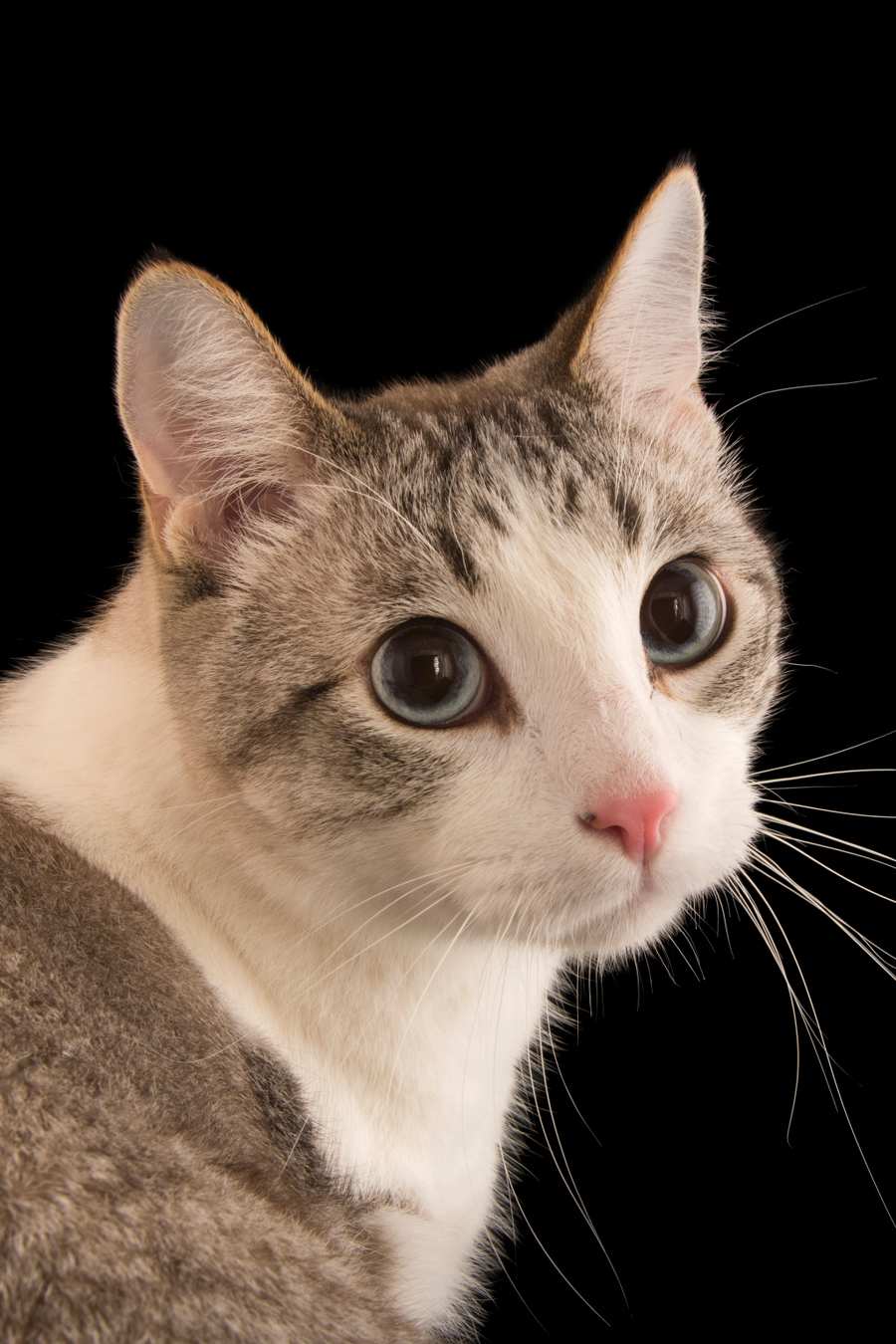
Cats are not allowed in Iceland due to strict regulations on pet importation.
Iceland, with its breathtaking landscapes and unique culture, entices many travelers. The idea of bringing a beloved pet along on such an adventure often crosses the minds of pet owners. However, the question remains: Are Cats Allowed In Iceland? To answer this, one must delve into the regulations surrounding pet travel in this beautiful country.
The Pet Import Regulations
Traveling with pets is a complicated affair, especially when crossing international borders. Iceland has some of the strictest regulations regarding animal importation in the world. This is primarily due to its isolated geographical location and efforts to protect its native wildlife and agriculture.
The Icelandic government enforces stringent rules to prevent diseases like rabies from entering the country. As a result, pets, including cats, must undergo a series of health checks and vaccinations before they can be imported. These measures ensure that only healthy animals cross into Icelandic territory.
Health Requirements for Cats
Cats planning to enter Iceland must meet specific health criteria. Here’s an overview of the essential requirements:
| Requirement | Description |
|---|---|
| Microchip | Cats must be microchipped for identification purposes. |
| Vaccination | A rabies vaccination is mandatory at least 21 days before travel. |
| Health Certificate | A veterinary health certificate issued by an accredited vet is required. |
| Tapeworm Treatment | Not specifically required for cats but may be needed for dogs. |
| Import Permit | An import permit from the Icelandic Food and Veterinary Authority (MAST) is necessary. |
These requirements can be daunting for many cat owners considering a trip to Iceland. It’s crucial to start preparing well in advance if planning to bring a cat along.
Quarantine Regulations
If all documentation is in order and the cat meets health requirements, it may still face quarantine upon arrival in Iceland. The duration of quarantine can vary based on several factors, including vaccination history and health status.
Typically, if everything checks out, cats may only need a short stay at the customs facility while officials verify documents and ensure compliance with regulations. However, any discrepancies or missing paperwork could lead to extended quarantine periods.
The Cost of Bringing Cats to Iceland
Traveling with pets often comes with additional costs that many owners might not anticipate. Here’s a breakdown of potential expenses:
| Expense Type | Estimated Cost (USD) |
|---|---|
| Microchipping | $50 – $100 |
| Vaccination (Rabies) | $15 – $50 per shot |
| Health Certificate from Vet | $100 – $200 depending on vet fees |
| Import Permit Fee | $30 – $100 depending on processing time |
These costs can add up quickly, making it essential for owners to budget appropriately before embarking on their journey.
The Emotional Impact of Leaving Pets Behind
For many pet owners, leaving a beloved cat behind during travels can be heart-wrenching. The bond between humans and their feline friends is profound; thus, separating from them can evoke feelings of guilt or sadness.
Choosing to leave a cat behind involves considering various factors: finding reliable caretakers or boarding facilities that understand feline needs becomes paramount. Ensuring that your pet is comfortable and well-cared-for while you’re away helps ease some worries.
Moreover, knowing that certain locations might not allow pets increases anxiety about travel plans. Many people feel torn between their love for adventure and their commitment to their furry companions.
Alternatives to Bringing Cats Along
If bringing a cat along isn’t feasible due to regulations or personal circumstances, several alternatives exist that can ease the transition:
1. Pet Sitters: Hiring a trusted pet sitter who understands feline behavior ensures that your cat remains in familiar surroundings.
2. Boarding Facilities: Specialized boarding facilities provide safe environments where cats receive proper care while their owners are away.
3. Friends or Family: Enlisting help from friends or family members who are familiar with your cat can provide comfort during your absence.
While these options don’t replace the presence of a beloved pet, they offer peace of mind knowing that your feline companion is safe and happy.
The Benefits of Traveling Without Pets
Traveling without pets opens up new opportunities that might not be feasible with them in tow. It allows for more flexibility in travel plans without worrying about accommodations or transportation restrictions related to pets.
Exploring diverse landscapes becomes easier without having to consider pet-friendly options at every turn. This freedom can lead to discovering hidden gems—local eateries, scenic hikes, or cultural experiences—that might otherwise be overlooked when traveling with animals.
Additionally, traveling light enhances overall enjoyment during trips. Without the added burden of packing extra supplies for pets—food bowls, litter boxes, toys—travelers often find themselves more relaxed and open-minded about spontaneous adventures.
The Case for Pet-Friendly Destinations
Despite stringent regulations regarding bringing cats into Iceland, many other destinations worldwide embrace furry travelers wholeheartedly. Countries like Canada and parts of Europe have more lenient policies concerning pet importation.
In these places, accommodations often cater specifically to pet owners by providing amenities such as dog parks or dedicated walking trails nearby. This inclusivity fosters an environment where both humans and their furry companions can thrive together during vacations.
Exploring these alternative destinations may satisfy wanderlust while allowing cherished pets along for memorable adventures filled with joy instead of worry over regulations or quarantine concerns.
The Cultural Attitude Toward Cats in Iceland
Iceland’s culture reflects deep respect for animals, including cats—often seen as symbols of protection against pests like mice within homes. Many households keep cats as companions despite the challenges associated with bringing them into the country from abroad.
Cats hold significance within folklore too; tales abound featuring mystical felines associated with witches during ancient times—a testament to their fascinating role throughout history amidst local traditions passed down through generations.
This cultural reverence highlights how deeply ingrained these creatures are within society yet simultaneously underscores why strict measures exist surrounding their importation today—to preserve both animal welfare standards alongside ecological integrity across this pristine land known for its breathtaking vistas!
The Role of Animal Welfare Organizations
Animal welfare organizations play crucial roles across various countries advocating responsible pet ownership practices while promoting humane treatment standards globally—including efforts aimed at educating potential travelers about compliance expectations when considering international travel plans involving pets like cats!
These organizations often provide resources outlining necessary steps required prior embarking upon journeys abroad alongside offering assistance navigating complex legal frameworks associated with importing animals safely ensuring overall welfare remains paramount throughout processes involved therein!
Moreover—they raise awareness concerning issues surrounding stray populations advocating spay/neuter initiatives aimed toward reducing overpopulation challenges faced globally impacting countless lives every day!
It’s vital travelers remain informed regarding local customs surrounding animal care practices wherever journeys lead them fostering understanding bridging gaps between cultures ensuring positive interactions occur whether visiting new places exploring unfamiliar terrains experiencing diverse lifestyles firsthand!
Key Takeaways: Cats in Iceland
➤ Cats are prohibited due to strict regulations on pet importation.
➤ Health checks required including vaccinations and health certificates.
➤ Quarantine may apply depending on health status and documentation.
➤ Consider alternatives like pet sitters or boarding facilities for care.
➤ Traveling without pets offers flexibility and opportunities for adventure.
➤ Traveling without pets offers flexibility and opportunities for adventure.
Frequently Asked Questions: Are Cats Allowed In Iceland?
Are cats allowed in Iceland for travel purposes?
No, cats are not allowed to enter Iceland due to the country’s stringent import regulations. These regulations are designed to protect Iceland’s unique ecosystem and prevent the introduction of diseases like rabies. The Icelandic government has established a series of health checks and vaccination requirements that must be met before any pet can enter the country. This includes obtaining an import permit from the Icelandic Food and Veterinary Authority (MAST), which is a crucial step for any pet owner considering travel with their cat.
What health requirements must be fulfilled for cats traveling to Iceland?
Cats intending to travel to Iceland must meet specific health criteria to ensure their safety and that of local wildlife. First, they must be microchipped for identification purposes. Additionally, a rabies vaccination is mandatory, and it must be administered at least 21 days before travel. A veterinary health certificate from an accredited veterinarian is also required, confirming the cat’s overall health status. These measures are essential to comply with Iceland’s strict pet importation laws.
What happens if my cat does not meet Iceland’s import requirements?
If a cat does not meet the import requirements set by Iceland, it may face significant consequences upon arrival. This could include being denied entry into the country or being subject to quarantine until all necessary documentation is verified. Quarantine periods can vary based on the specific circumstances surrounding each case, including vaccination history and health status. Therefore, ensuring that all requirements are met before traveling is vital for a smooth entry process.
What alternatives exist for pet owners who cannot bring their cats to Iceland?
If bringing a cat to Iceland is not feasible due to regulations, several alternatives can ease the transition for pet owners. Hiring a trusted pet sitter allows cats to stay in familiar surroundings while receiving care tailored to their needs. Boarding facilities designed specifically for cats also provide safe environments where pets can be looked after during their owner’s absence. Additionally, enlisting help from friends or family familiar with your cat can ensure they receive proper attention and care.
How does leaving a cat behind affect pet owners emotionally?
Leaving a beloved cat behind during travels can evoke strong emotional responses in pet owners. The bond between humans and their feline companions is profound, leading many owners to experience feelings of guilt or sadness when separated from their pets. Concerns about finding reliable caretakers or boarding facilities that understand feline needs can add stress. However, knowing that alternatives exist—such as hiring pet sitters or utilizing boarding services—can provide some peace of mind during this difficult decision-making process.
Conclusion – Are Cats Allowed In Iceland?
In summary, navigating through various complexities surrounding whether Are Cats Allowed In Iceland? reveals significant challenges faced by those wishing to bring their feline friends along on adventures within this stunning country!
While strict regulations exist aimed at safeguarding native wildlife alongside agricultural interests—many alternatives remain available allowing travelers enjoy experiences without compromising loved ones’ wellbeing!
Ultimately—understanding both emotional impacts associated leaving beloved companions behind alongside exploring possibilities offered elsewhere fosters deeper appreciation toward connections forged between humans animals alike enhancing overall travel experiences enriching lives beyond borders!