
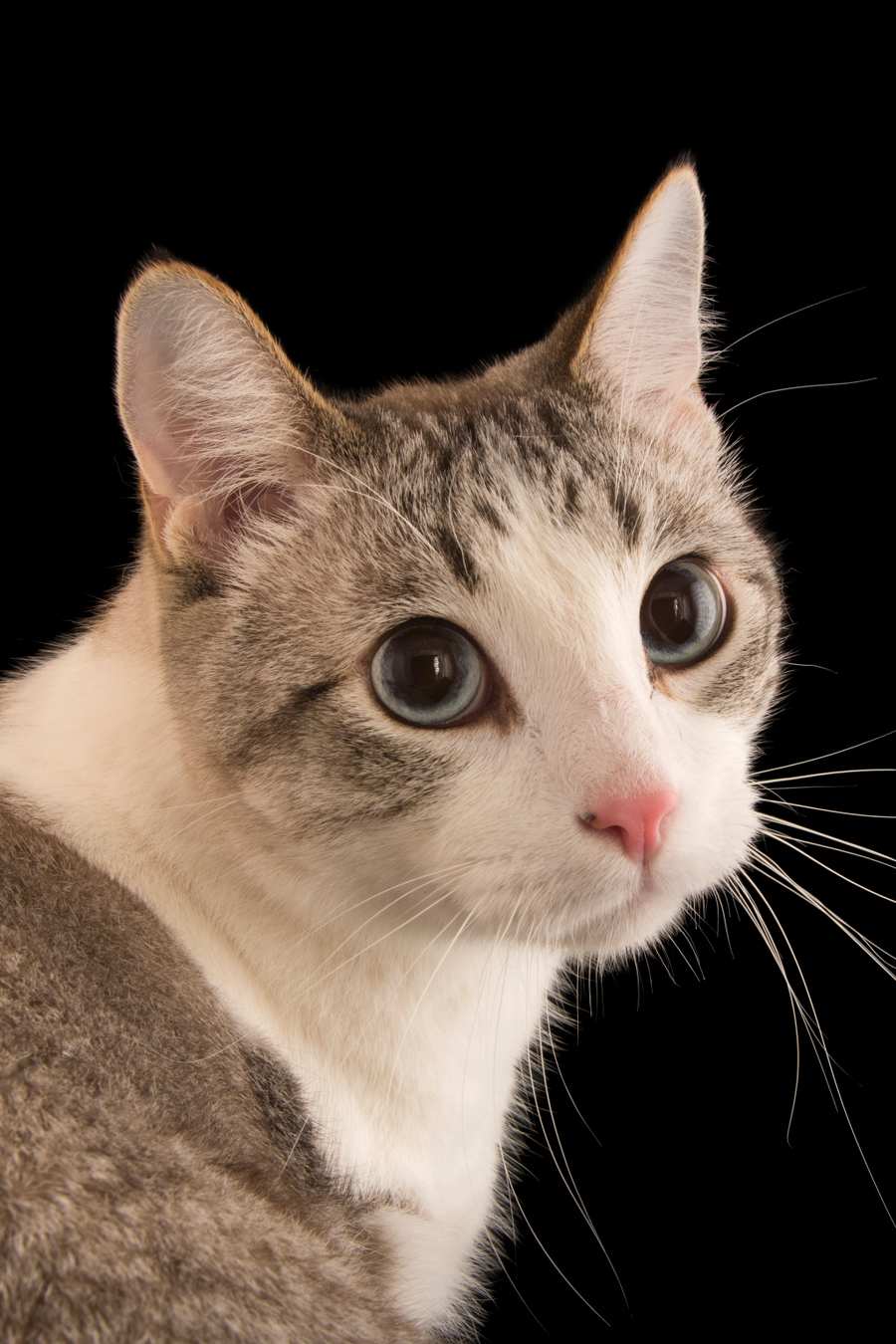
Cats can eat lettuce in moderation, but it shouldn’t be a staple in their diet.
Cats are fascinating creatures, and their dietary habits often spark curiosity. One question that frequently arises is, “Are cats allowed lettuce?” While it may seem trivial, understanding what cats can safely consume is essential for any cat owner. Cats are obligate carnivores, meaning their primary diet consists of meat. However, this doesn’t mean they can’t nibble on some plant-based foods occasionally. Lettuce is one such food that often piques interest.
Lettuce, particularly the varieties like romaine or butterhead, is not toxic to cats. In fact, many cats might enjoy the crunchy texture and the moisture content it provides. However, it’s crucial to consider that lettuce does not offer any significant nutritional value to felines. Unlike meat, which provides essential proteins and vitamins, lettuce primarily consists of water and fiber. This means that while a cat can munch on a leaf or two without harm, it shouldn’t be a significant part of their diet.
The Nutritional Profile of Lettuce
Lettuce is primarily composed of water—about 95%—which makes it a hydrating snack. It contains minimal calories and provides some fiber. However, the nutritional profile doesn’t align with what cats need for optimal health.
| Nutrient | Amount per 100g |
|---|---|
| Calories | 15 |
| Protein | 1.4g |
| Fat | 0.2g |
| Carbohydrates | 2.9g |
| Fiber | 1.3g |
| Water Content | 95% |
While this table highlights the nutritional components of lettuce, it’s clear that it lacks the essential nutrients required by cats. Cats need proteins and fats derived from animal sources to thrive; thus, while they can nibble on lettuce for fun or hydration, it should never replace their primary diet.
Potential Benefits of Lettuce for Cats
Even though lettuce isn’t packed with nutrients for cats, there are still some potential benefits to offering it as an occasional treat:
1. Hydration: The high water content in lettuce can help keep a cat hydrated.
2. Digestive Aid: The fiber in lettuce may assist some cats with digestion.
3. Enrichment: Offering new textures and flavors can stimulate a cat’s senses and provide mental enrichment.
It’s important to note that these benefits are only supplementary; they do not replace the need for a balanced diet rich in animal protein.
How to Safely Introduce Lettuce to Your Cat’s Diet?
If there’s an urge to share some crunchy greens with a feline friend, it’s essential to introduce lettuce safely:
- Start Small: Begin with just a small piece of washed romaine or butterhead lettuce.
- Monitor Reactions: Watch for any signs of digestive upset such as vomiting or diarrhea.
- Avoid Seasonings: Always serve plain lettuce without dressings or seasonings which could be harmful.
- Chop It Up: Cutting the leaves into smaller pieces can make them easier for your cat to handle.
If your cat shows interest in the leafy greens without adverse reactions, then it’s generally safe to continue offering small amounts occasionally.
The Risks of Feeding Lettuce to Cats
While most cats can safely eat small amounts of lettuce, there are some risks involved:
- Digestive Issues: Some cats may experience gastrointestinal upset after consuming plant material.
- Choking Hazard: Larger pieces could pose a choking risk if not adequately prepared.
- Pesticides and Chemicals: It’s crucial to wash all produce thoroughly before offering it to ensure no harmful chemicals are ingested.
Understanding these risks helps ensure that feeding your cat lettuce remains a safe experience.
What Other Vegetables Can Cats Eat?
If exploring the realm of vegetables beyond just lettuce sounds appealing, there are several other options that may be safe in moderation:
1. Carrots: Cooked carrots can be offered as a treat; they’re rich in beta-carotene.
2. Pumpkin: Plain canned pumpkin (not spiced) is excellent for digestion.
3. Green Beans: These can be offered steamed or raw; they’re low in calories and high in fiber.
4. Peas: Fresh or frozen peas are also safe; they provide vitamins and minerals.
Each vegetable should be introduced cautiously and monitored closely for any signs of digestive upset.
The Importance of Meat in a Cat’s Diet
Cats have specific dietary needs that must be met through their food choices—primarily animal-based proteins and fats. Unlike humans who can thrive on various diets including vegetables and grains, cats require nutrients found almost exclusively in meat:
- Taurine: An essential amino acid found only in animal tissues; vital for heart function and vision.
- Arachidonic Acid: A fatty acid necessary for skin health; only available from animal sources.
- Vitamin A: Unlike humans who convert beta-carotene from plants into vitamin A, cats must obtain this vitamin directly from animal liver.
These factors highlight why it’s crucial not to substitute meat with vegetables like lettuce or others as primary food sources.
Key Takeaways: Cats and Lettuce
➤ Cats Can Eat Lettuce: Lettuce is safe in moderation, not a staple.
➤ Hydration Benefits: High water content in lettuce aids cat hydration.
➤ Digestive Support: Lettuce’s fiber may help some cats with digestion.
➤ Monitor Reactions: Always watch for digestive upset after feeding lettuce.
➤ Meat Is Essential: Cats need animal proteins; lettuce lacks vital nutrients.
➤ Meat Is Essential: Cats need animal proteins; lettuce lacks vital nutrients.
Frequently Asked Questions: Are Cats Allowed Lettuce?
Can cats eat lettuce regularly as part of their diet?
Cats should not eat lettuce regularly. While they can consume small amounts without harm, lettuce lacks the essential nutrients that cats require. Their diet must primarily consist of animal proteins and fats to maintain health.
Feeding lettuce frequently may lead to nutritional deficiencies over time. It’s important to prioritize high-quality meat-based foods in their diet.
What types of lettuce are safe for cats to eat?
Romaine and butterhead lettuce are generally considered safe for cats. These varieties offer a crunchy texture that some cats may enjoy.
However, it’s crucial to wash the lettuce thoroughly to remove any pesticides or chemicals before offering it to your cat. Always serve it plain, without dressings or seasonings.
Are there any health benefits of feeding lettuce to cats?
Lettuce can provide some hydration due to its high water content. Additionally, the fiber in lettuce may aid digestion for some cats.
However, these benefits are minimal and should not replace a balanced diet rich in animal protein. Lettuce is more of an occasional treat than a health food for felines.
What should I do if my cat shows signs of digestive upset after eating lettuce?
If your cat experiences digestive upset after consuming lettuce, such as vomiting or diarrhea, discontinue offering it immediately.
Monitor your cat closely and consult with a veterinarian if symptoms persist or worsen. It’s essential to ensure that their primary diet remains balanced and appropriate for their needs.
Can I feed my cat other vegetables besides lettuce?
Yes, you can offer other vegetables like cooked carrots, plain canned pumpkin, steamed green beans, and peas in moderation.
Always introduce new foods gradually and monitor your cat for any adverse reactions. Remember that vegetables should never replace meat in a cat’s diet.
Conclusion – Are Cats Allowed Lettuce?
In conclusion, while cats can enjoy small amounts of lettuce without adverse effects, it should never become a staple item in their diet. The mainstay of any feline diet must always consist of high-quality meat-based foods that provide essential nutrients necessary for optimal health and well-being. Keeping this balance ensures your furry friend remains happy and healthy while enjoying an occasional crunchy treat like lettuce!