
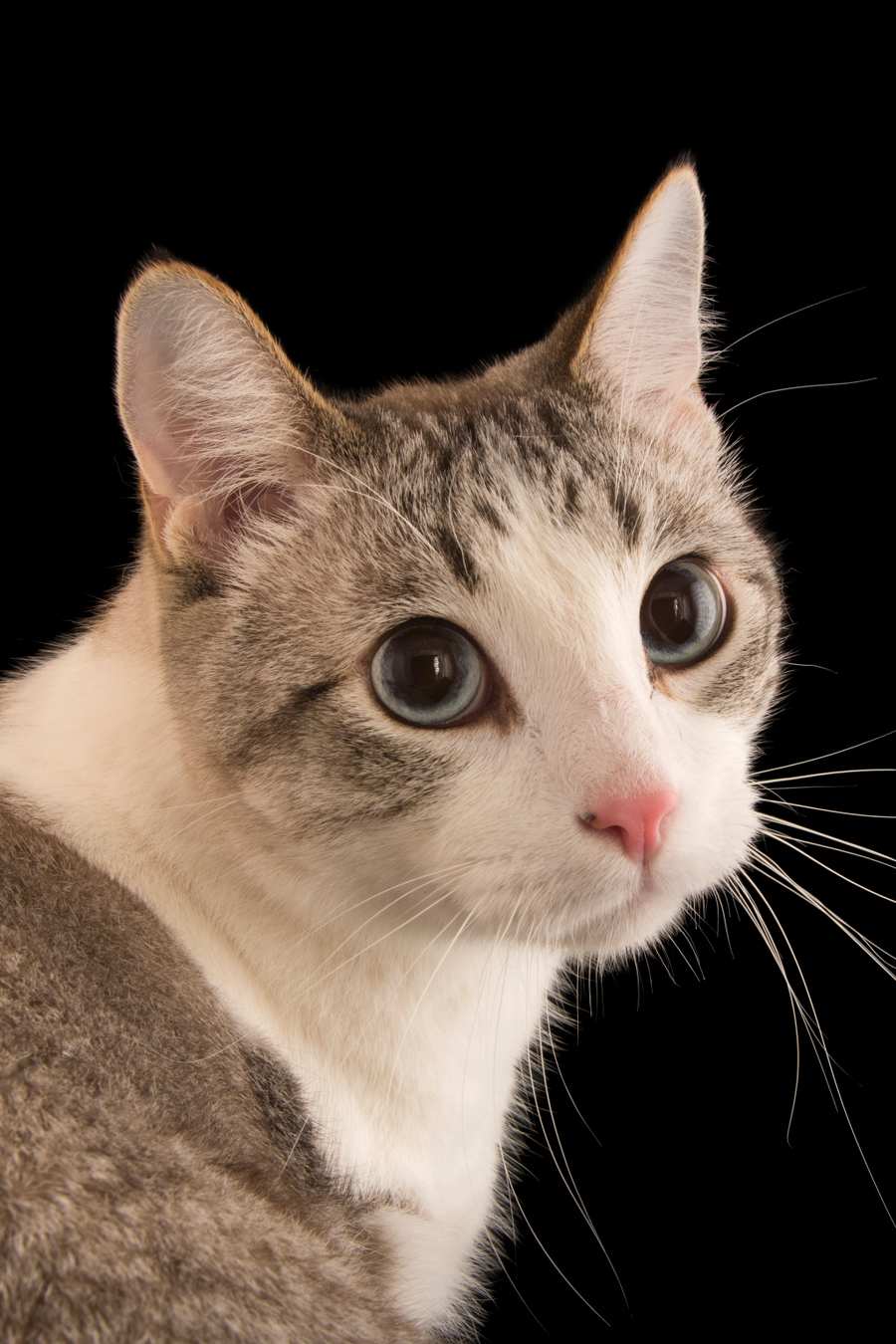
Cats and lions belong to the same family, Felidae, but they are distinct species with notable differences.
Understanding the Felidae Family
The Felidae family, commonly known as the cat family, includes a wide variety of species ranging from domestic cats to majestic lions. This family is characterized by certain traits such as retractable claws, keen eyesight, and a carnivorous diet. Within this extensive family, there are two primary subfamilies: Pantherinae, which includes larger cats like lions and tigers, and Felinae, which encompasses smaller species like domestic cats and servals.
The genetic similarities between these species are fascinating. Cats and lions share approximately 95.6% of their DNA. This genetic overlap indicates that they have a common ancestor and belong to the same family tree. However, this does not imply that they are the same species; rather, it highlights the evolutionary connections between them.
Species Classification
The classification of cats can be quite complex due to the diversity within the Felidae family. Lions (Panthera leo) and domestic cats (Felis catus) are classified under different genera. Here’s a breakdown of some key species within these genera:
| Common Name | Scientific Name | Size (Weight) | Habitat |
|---|---|---|---|
| Lion | Panthera leo | 330-550 lbs | Savannas, grasslands |
| Tiger | Panthera tigris | 220-660 lbs | Tropical forests, grasslands |
| Cheetah | Acinonyx jubatus | 77-143 lbs | Savannas, open plains |
| Domestic Cat | Felis catus | 5-20 lbs | Human homes, urban areas |
| Serval | Leptailurus serval | 20-40 lbs | Savannas, wetlands |
This table illustrates the diversity in size and habitat among different members of the Felidae family. The stark differences in weight alone highlight how varied these species can be.
Morphological Differences Between Cats and Lions
Morphological characteristics further illustrate why cats and lions are not the same species despite their familial ties. Lions possess a robust build with significant muscle mass suited for hunting large prey in their natural habitats. Their distinctive manes serve both as a display of dominance and protection during fights.
In contrast, domestic cats exhibit a more varied morphology influenced by selective breeding. They come in numerous shapes, sizes, and colors. While they may possess hunting instincts akin to their larger cousins, their physical capabilities differ significantly due to size constraints and habitat adaptations.
The Social Structures of Lions vs. Domestic Cats
Lions are unique among big cats due to their social behavior. They live in groups called prides, which typically consist of several related females and one or two males. This social structure allows them to cooperate while hunting and provides protection for their young.
Domestic cats tend to be solitary creatures by nature but can form loose colonies when resources allow. Their social interactions are primarily based on territory rather than cooperative living arrangements like those seen in lion prides.
The Behavioral Traits: Predation Styles and Hunting Techniques
Behaviorally speaking, lions employ strategic hunting techniques that involve teamwork within their prides. They often hunt large herbivores such as wildebeests or zebras using coordinated efforts to encircle prey. This collaboration increases their chances of success in capturing food necessary for survival.
On the other hand, domestic cats typically hunt smaller prey like mice or birds using stealthy ambush techniques. Their hunting style is characterized by patience; they stalk quietly before pouncing on unsuspecting targets.
Dietary Preferences: What Do They Eat?
Both lions and domestic cats are obligate carnivores; however, their dietary preferences differ significantly due to size disparities and habitat availability.
Lions primarily consume large ungulates found in savannas or grasslands where they reside. Their diet can include:
- Wildebeest
- Zebras
- Buffalo
Domestic cats have a more varied diet based on what is available in human environments:
- Mice
- Birds
- Fish
This difference highlights how environmental factors influence dietary choices across species within the Felidae family.
The Role of Genetics in Understanding Species Differences
Genetics plays an essential role in understanding why cats and lions differ despite sharing similar DNA profiles. While they have common ancestors dating back millions of years ago that led to genetic divergence over time into distinct lineages that adapted differently based on environmental pressures.
For instance:
- Lions evolved larger body sizes suitable for taking down bigger prey.
- Domestic Cats adapted smaller frames allowing them agility needed for catching small rodents.
These adaptations showcase how genetic evolution shapes physical characteristics aligning with specific ecological niches occupied by each species over time.
The Evolutionary Journey of Cats and Lions: A Shared Ancestry?
Exploring evolutionary history reveals fascinating insights into how felines diverged from common ancestors millions of years ago into specialized forms suited for varied lifestyles across diverse habitats worldwide.
The earliest ancestors of modern felids were small carnivorous mammals known as miacids that lived around 60 million years ago during the Paleocene epoch before evolving into distinct lineages such as Panthera (lions) or Felis (domestic cats).
This evolutionary journey illustrates not only shared ancestry but also highlights remarkable adaptations that occurred along separate paths leading both groups toward becoming successful predators tailored uniquely for survival challenges faced within respective environments encountered throughout history.
Domestication has profoundly impacted domestic cat behavior compared with wild relatives like lions who remain untamed creatures reliant solely on instinctual drives without human intervention shaping social dynamics around them over generations unlike domesticated counterparts whose interactions have been influenced heavily by human presence fostering traits conducive towards cohabitation rather than purely predatory instincts observed amongst wild populations still thriving today across various ecosystems worldwide where natural selection continues driving evolutionary processes forward shaping future generations yet unseen throughout history unfolding continuously before our eyes revealing intricacies inherent within nature itself!
Cultural Significance: How Are Cats And Lions Perceived?
Cats hold significant cultural value across various societies around the globe while lions symbolize strength courage power often revered within folklore mythology art literature reflecting deep-rooted connections humans share towards these majestic creatures embodying ideals representing bravery nobility leadership inspiring awe respect admiration throughout ages past present alike!
In ancient Egypt worshipped revered felines believed protectors guardians against evil spirits associated fertility agriculture prosperity depicted prominently within hieroglyphics artifacts showcasing bond established between humans felines transcending mere companionship evolving into spiritual connections deeply ingrained cultural fabric shaping societies influencing beliefs practices rituals celebrated honoring legacy left behind still resonating today reminding us importance preserving protecting these magnificent beings inhabiting planet alongside us!
Conservation efforts play crucial roles safeguarding big cat populations including lions facing threats habitat loss poaching human-wildlife conflict jeopardizing survival prospects future generations! Organizations dedicated preserving ecosystems habitats ensuring sustainable coexistence fostering awareness educating communities about importance safeguarding biodiversity promoting responsible tourism practices supporting initiatives aimed restoring balance ecosystems nurturing relationships between local populations wildlife promoting harmonious living environments where both thrive together harmoniously!
Efforts include establishing protected areas national parks wildlife reserves providing safe havens allowing natural behaviors flourish unimpeded ensuring continued existence vital ecosystems depend upon maintaining healthy populations diverse species enriching planet’s biodiversity contributing overall well-being environment shared collectively all inhabitants earth!
Key Takeaways: Cats and Lions
➤ Same Family: Cats and lions belong to the Felidae family, not species.
➤ Genetic Similarity: They share 95.6% of DNA, indicating a common ancestor.
➤ Morphological Differences: Lions are larger and more robust than domestic cats.
➤ Social Behavior: Lions live in prides; domestic cats are generally solitary.
➤ Dietary Variations: Lions hunt large prey; domestic cats target smaller animals.
➤ Dietary Variations: Lions hunt large prey; domestic cats target smaller animals.
Frequently Asked Questions: Are Cats And Lions The Same Species?
What are the main differences between cats and lions?
Cats and lions, though both members of the Felidae family, exhibit significant differences. Lions (Panthera leo) are much larger, with males weighing between 330-550 lbs, while domestic cats (Felis catus) typically weigh only 5-20 lbs. Morphologically, lions have a robust build suited for hunting larger prey, while domestic cats have varied shapes and sizes due to selective breeding.
Socially, lions live in prides that foster cooperative hunting and protection. In contrast, domestic cats are generally solitary but can form loose colonies based on territory. These differences highlight the adaptations each species has made to thrive in their respective environments.
How do the hunting techniques of cats and lions differ?
The hunting techniques of cats and lions are notably different due to their size and social structures. Lions employ strategic group tactics when hunting large herbivores like zebras or wildebeests. They work together to encircle prey, increasing their chances of a successful hunt.
On the other hand, domestic cats rely on stealth and ambush strategies to catch smaller prey such as mice or birds. Their hunting style involves stalking quietly before pouncing on unsuspecting targets. This difference in predation reflects their respective ecological niches and available food sources.
What role does genetics play in distinguishing cats from lions?
Genetics plays a pivotal role in understanding the distinctions between cats and lions. Despite sharing approximately 95.6% of their DNA, they diverged from common ancestors millions of years ago into distinct species that adapted differently based on environmental pressures.
Lions evolved larger body sizes for taking down bigger prey, while domestic cats adapted smaller frames for agility in catching rodents. These genetic adaptations illustrate how evolution shapes physical characteristics aligned with specific ecological niches occupied by each species.
How does domestication affect the behavior of domestic cats compared to lions?
Domestication has significantly influenced domestic cat behavior compared to wild relatives like lions. Domestic cats have adapted behaviors conducive to cohabitation with humans, such as social playfulness and reduced aggression.
Lions remain untamed creatures reliant solely on instinctual drives without human influence shaping their social dynamics. This contrast highlights how domestication fosters traits beneficial for living alongside humans while preserving predatory instincts in wild populations.
What conservation efforts are in place for protecting big cats like lions?
Conservation efforts for big cats like lions are crucial due to threats such as habitat loss and poaching. Organizations focus on preserving ecosystems by establishing protected areas like national parks and wildlife reserves where these animals can thrive safely.
Additionally, educating communities about biodiversity’s importance promotes sustainable coexistence between humans and wildlife. These initiatives aim to restore balance within ecosystems while fostering relationships that allow both local populations and wildlife to flourish harmoniously.
Conclusion – Are Cats And Lions The Same Species?
Cats and lions belong to the same family but represent distinct species with unique adaptations shaped by evolutionary pressures over time leading them down separate paths resulting remarkable diversity observed today! Understanding differences similarities enhances appreciation complexity fascinating world felids inhabit reminding us interconnectedness shared ancestry binds all living beings together fostering respect admiration towards nature’s wonders inspiring future generations strive protect preserve cherish beauty life surrounding us every day!