
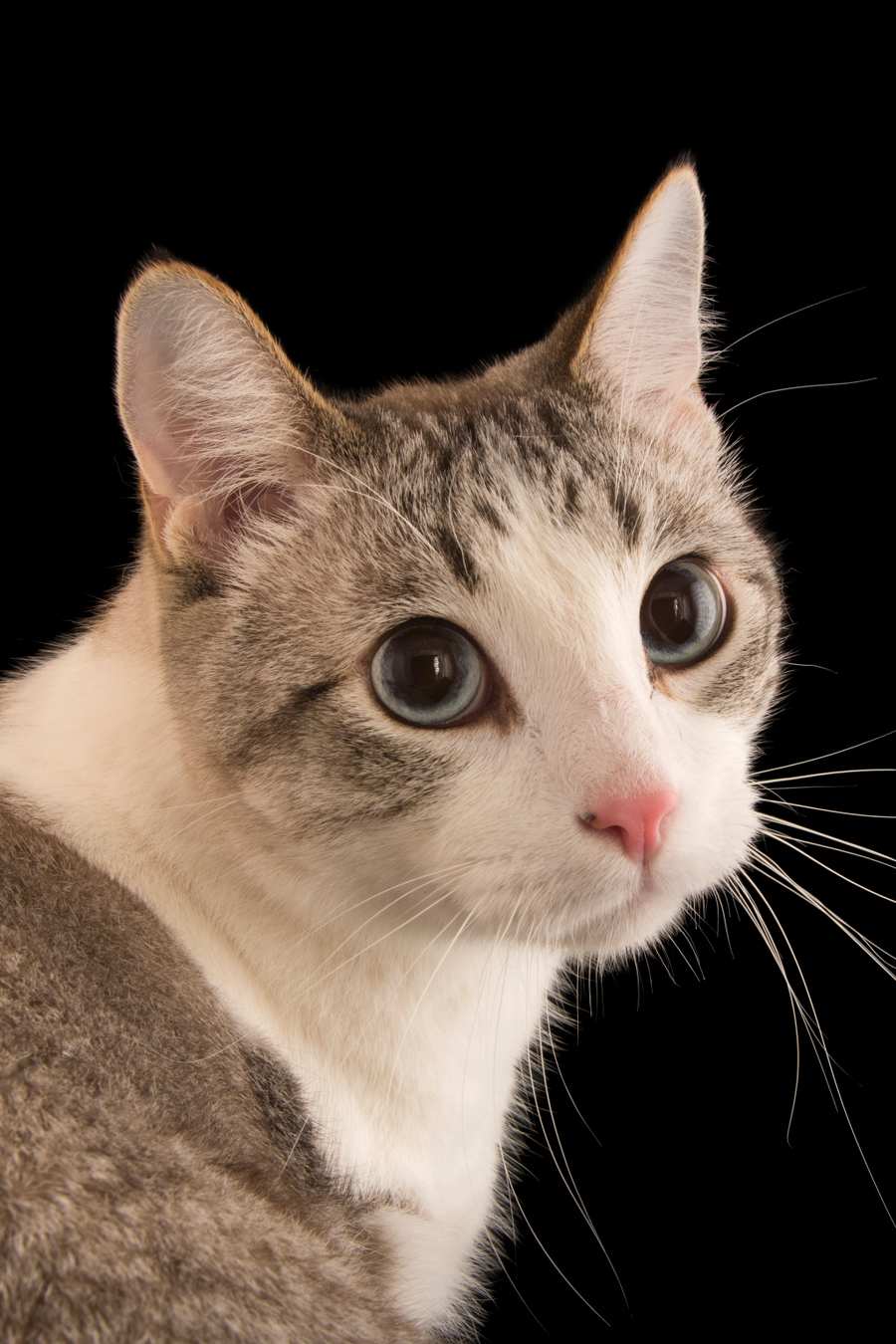
Cats are often drawn to mothballs due to their strong scent, which can be enticing and intriguing for them.
Cats have a reputation for being curious creatures, often getting into things they shouldn’t. One of the items that many cat owners have questions about is mothballs. These small, round balls are commonly used to repel moths and other pests from clothing and storage areas. However, the question arises: Are cats attracted to mothballs? Understanding the reasons behind this attraction can help pet owners keep their furry friends safe while also maintaining a pest-free environment.
The Composition of Mothballs
Mothballs are typically made from either naphthalene or paradichlorobenzene. Both of these compounds emit strong odors that are unpleasant to humans but can be quite intriguing to cats. Naphthalene is derived from coal tar and has a distinct smell reminiscent of old-fashioned dry cleaning solvents, while paradichlorobenzene is a synthetic substance with a similar scent profile.
The reason these compounds repel moths is due to their ability to disrupt the insects’ natural behavior. They interfere with the moths’ ability to sense food sources and mates, effectively driving them away from treated areas. However, for cats, these potent odors can be alluring. Cats have a highly developed sense of smell—far superior to that of humans—which allows them to detect even the faintest scents in their environment.
Why Are Cats Attracted To Mothballs?
The attraction that cats have towards mothballs can be attributed to several factors:
1. Curiosity
Cats are inherently curious animals. Their instinct drives them to explore new objects and smells in their surroundings. Mothballs, with their strong chemical scent, can pique a cat’s interest much like catnip does for some felines. This curiosity leads many cats to investigate mothball containers or areas where they have been placed.
2. Sensory Stimulation
Cats rely heavily on their sense of smell for various aspects of their lives, including hunting and social interactions. The strong odor of mothballs may provide sensory stimulation that is appealing to them. While humans might find the smell off-putting, it could evoke different responses in cats.
3. Playfulness
Cats often engage in play behavior that mimics hunting instincts. The act of batting around or chasing after objects—be it toys or household items—can be triggered by the presence of mothballs. Their small size makes them easy targets for playful paws, leading cats to interact with them more frequently than one might expect.
The Risks Associated With Mothballs
Despite their allure, mothballs pose significant risks to feline health. Both naphthalene and paradichlorobenzene are toxic substances when ingested or inhaled in large quantities.
1. Toxicity Symptoms
Exposure to these chemicals can lead to various health issues in cats:
- Respiratory Distress: Inhalation of vapors may cause difficulty breathing.
- Gastrointestinal Upset: If ingested, cats may experience vomiting or diarrhea.
- Neurological Issues: High levels of exposure could lead to more severe symptoms like tremors or seizures.
Recognizing these symptoms early is crucial for effective treatment.
2. Long-Term Health Effects
Chronic exposure may result in long-term health complications such as liver damage or anemia due to red blood cell destruction caused by naphthalene toxicity.
To help visualize some common symptoms associated with exposure, here’s a simple table:
| Symptom | Description |
|---|---|
| Respiratory Distress | Difficulties in breathing; coughing; wheezing. |
| Gastrointestinal Upset | Vomiting; diarrhea; lack of appetite. |
| Neurological Issues | Tremors; seizures; disorientation. |
| Liver Damage | Jaundice; lethargy; unusual bleeding. |
It’s essential for cat owners to understand these risks before using mothballs in their homes.
Alternatives To Mothballs For Pest Control
Given the potential dangers associated with using mothballs around pets, exploring safer alternatives for pest control becomes imperative.
1. Cedar Chips
Cedar chips are a natural repellent for moths and other pests without posing significant risks to pets. The aromatic oils found in cedar wood deter insects while providing a pleasant scent for humans as well.
2. Essential Oils
Certain essential oils such as lavender or peppermint can repel insects when used appropriately (diluted) without being harmful to pets if applied correctly around the home.
3. Vinegar Solutions
Vinegar mixed with water serves as an effective cleaning solution that helps eliminate odors while also deterring pests naturally due its acidity.
Using these alternatives not only protects pets but also maintains an insect-free environment without resorting to harmful chemicals.
Caring For Cats In Environments With Mothballs
If mothballs must be used due to specific circumstances (e.g., storage), certain precautions can help mitigate risks for curious cats:
1. Secure Storage Areas
Ensure that any clothing storage areas containing mothballs are securely closed off from pet access.
2. Monitor Behavior
Watch closely for any signs indicating your cat has encountered mothballs—this includes unusual behaviors or symptoms listed earlier.
3. Educate Family Members
Make sure everyone in the household understands the dangers associated with using mothballs around pets so they remain vigilant about keeping them out of reach.
Taking proactive steps ensures both pest control measures and feline safety coexist harmoniously under one roof!
The Role Of Pheromones In Cat Behavior
Understanding feline behavior goes beyond just physical attractions like scents from chemicals; pheromones also play critical roles influencing how cats react within their environments:
Key Takeaways: Cats and Mothballs
➤ Cats Are Curious: Felines are naturally drawn to new scents and objects.
➤ Strong Odors Attract: Mothballs’ chemical scents can intrigue cats.
➤ Toxic Risks Exist: Mothballs pose serious health risks if ingested or inhaled.
➤ Safe Alternatives Available: Consider cedar chips or essential oils for pest control.
➤ Monitor Cat Behavior: Keep an eye on your cat for any unusual signs around mothballs.
➤ Monitor Cat Behavior: Keep an eye on your cat for any unusual signs around mothballs.
Frequently Asked Questions: Are Cats Attracted To Mothballs?
What are the primary reasons cats are attracted to mothballs?
Cats are attracted to mothballs primarily due to their curiosity and strong chemical scents. Their inherent nature drives them to explore new objects, including those with potent odors. Mothballs emit scents that can be enticing for cats, similar to how some felines react to catnip.
This attraction can lead them to investigate mothball containers or areas where they have been placed. Additionally, the strong smells can provide sensory stimulation, appealing to their acute sense of smell, which is much more developed than that of humans.
Are mothballs safe for cats in any circumstance?
No, mothballs are not safe for cats under any circumstances. Both naphthalene and paradichlorobenzene, the primary ingredients in mothballs, are hazardous substances. Exposure can lead to serious health issues such as respiratory distress, gastrointestinal upset, and neurological problems.
Even small amounts can pose risks, making it crucial for pet owners to keep mothballs out of reach. If a cat shows signs of exposure, immediate veterinary attention is necessary to prevent long-term health complications.
What alternative pest control methods can be used instead of mothballs?
There are several effective alternatives to mothballs for pest control that are safer for pets. One popular option is cedar chips, which naturally repel insects without posing risks to animals. The aromatic oils in cedar deter pests while being pleasant for humans.
Additionally, certain essential oils like lavender and peppermint can be used safely if properly diluted. Vinegar solutions also serve as an effective cleaning agent that helps eliminate odors while deterring pests naturally.
How can cat owners protect their pets from mothball exposure?
To protect cats from mothball exposure, owners should take several precautions. First, ensure that any storage areas containing mothballs are securely closed off from pet access. This helps prevent curious cats from investigating potentially harmful substances.
Monitoring your cat’s behavior is also essential. Watch for unusual signs or symptoms that may indicate exposure. Educating all family members about the dangers associated with using mothballs around pets is crucial for maintaining a safe environment.
What should I do if my cat ingests or is exposed to mothballs?
If a cat ingests or is exposed to mothballs, it’s vital to seek veterinary assistance immediately. Symptoms of exposure may include vomiting, difficulty breathing, or neurological issues like tremors. Early recognition of these symptoms can significantly impact treatment effectiveness.
Your veterinarian may perform tests and provide appropriate treatments based on the level of exposure. Prompt action can help mitigate potential long-term health effects associated with toxic substances found in mothballs.
Pheromones Defined
Pheromones are chemical signals released by animals (including cats) that trigger specific responses among members within their species—these can indicate territory boundaries or mating readiness among others!
For instance:
- Feline Facial Pheromones: Cats have scent glands located around their faces which release pheromones when they rub against objects—this marks territory while providing comfort signals.
- Feline Inter-Digital Pheromones: Found between toes; these pheromones communicate information about social interactions between different felines sharing spaces together!
Both types contribute significantly towards understanding social hierarchies among domestic populations!
In contrast though—mothball scents do not possess such communicative properties! Instead—they function primarily as deterrents aimed at repelling unwanted pests rather than facilitating social interactions amongst felines themselves!
In conclusion—the question remains clear: Are Cats Attracted To Mothballs?
While curiosity plays a role undoubtedly—it’s crucial recognizing potential dangers lurking behind those seemingly innocent little balls!
By taking necessary precautions along with exploring alternative pest control methods—we ensure our beloved companions remain safe amidst all our efforts towards maintaining tidy living spaces free from unwanted guests!
So next time I encounter those pesky little spheres—I’ll think twice before letting my feline friend investigate further!