
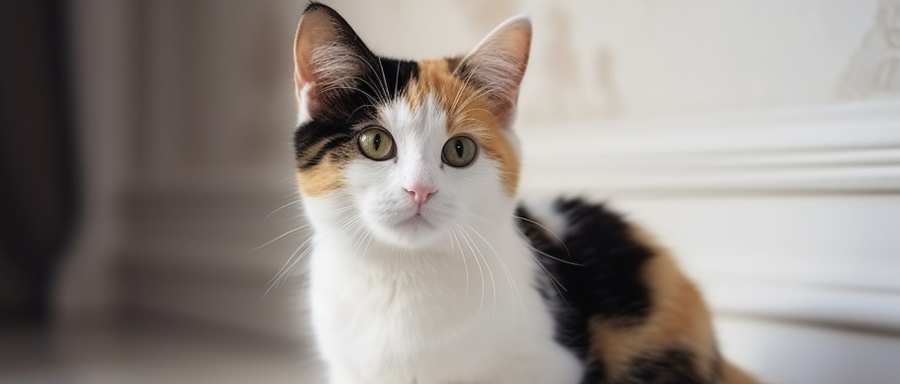
Magnolia leaves are not toxic to cats, but ingestion may cause mild gastrointestinal upset.
Cats are curious creatures. They love to explore their surroundings, often nibbling on various plants along the way. As a cat owner, it’s natural to worry about what’s safe for your furry friend. One common question arises: Are Magnolia Leaves Toxic To Cats? Understanding the safety of different plants is crucial for ensuring the well-being of pets.
Magnolia trees are known for their stunning flowers and broad, glossy leaves. They’re often found in gardens and parks, adding beauty to outdoor spaces. However, it’s essential to consider whether these lovely trees pose a risk to our feline companions.
Understanding Magnolia Trees
Magnolia trees belong to the Magnoliaceae family and include over 200 species. They thrive in various climates and can be deciduous or evergreen. The most notable feature of magnolias is their large, fragrant flowers that bloom in spring or summer, depending on the species. The leaves themselves are thick and leathery, providing an attractive backdrop to the beautiful blooms.
While magnolias are cherished for their aesthetic appeal, it’s vital to assess their safety for pets. Cats often chew on leaves out of curiosity or boredom, leading owners to question whether specific plants could harm them.
Are Magnolia Leaves Toxic?
Research indicates that magnolia leaves are not toxic to cats. Unlike many other plants that can cause severe reactions when ingested, magnolia leaves fall into a safer category. However, just because they aren’t toxic doesn’t mean they should be consumed freely.
Ingesting large amounts of any plant material can lead to gastrointestinal upset in cats. Symptoms might include vomiting or diarrhea. Thus, while magnolia leaves won’t poison a cat, they could still cause discomfort if eaten in significant quantities.
Common Symptoms of Plant Ingestion
When a cat eats something it shouldn’t—whether that’s a magnolia leaf or another non-toxic plant—it can exhibit various symptoms. Here’s a look at some common signs of gastrointestinal distress:
| Symptom | Description |
|---|---|
| Vomiting | Throwing up may occur due to irritation in the stomach. |
| Diarrhea | Loose stools can result from consuming indigestible material. |
| Lethargy | A lack of energy may indicate discomfort or illness. |
| Loss of Appetite | Refusal to eat could signal that something is wrong. |
| Abdominal Pain | Cats may show signs of discomfort when their abdomen is touched. |
If any of these symptoms appear after your cat has ingested magnolia leaves—or any other plant—it’s wise to consult with a veterinarian.
Other Factors Affecting Plant Safety
While magnolia leaves themselves aren’t toxic, several factors can influence how safe they are for cats:
1. Plant Treatment: If the magnolia tree has been treated with pesticides or herbicides, those chemicals can pose serious risks if ingested by your pet.
2. Individual Sensitivities: Just like humans, cats have varying sensitivities to different substances. What might be harmless for one cat could cause issues for another.
3. Amount Ingested: A small nibble might not cause problems, but larger quantities could lead to digestive upset.
4. Other Plants Nearby: Gardens often contain multiple types of plants; if your cat is exploring and munching away indiscriminately, it could ingest something harmful without you realizing it.
Alternatives for Cat Owners
Given the curiosity of cats and their tendency to chew on greenery, it’s beneficial for owners to provide safe alternatives:
- Cat Grass: This is specifically grown for feline consumption and can help satisfy their urge to chew without causing harm.
- Catnip: Another favorite among many cats, catnip is safe and offers some stimulating properties that can keep them entertained.
- Safe Houseplants: Consider cultivating houseplants known to be non-toxic to cats such as spider plants or Boston ferns.
Keeping Your Cat Safe
To ensure your feline friend remains safe while exploring outdoor spaces filled with potential hazards like magnolia trees:
- Supervised Outdoor Time: Keeping an eye on your cat while outdoors helps prevent unwanted nibbling on potentially harmful plants.
- Plant Identification: Familiarizing yourself with which plants in your yard or nearby parks are toxic versus non-toxic can help you manage risks effectively.
- Training: Encouraging your cat not to chew on certain plants through gentle redirection can foster safer habits over time.
The Role of Veterinarians
Veterinarians play an essential role in pet safety education as well. They can provide guidance about which plants are safe and suggest alternatives based on individual pet needs and behaviors.
If there’s ever uncertainty about what your cat has ingested—whether it’s a magnolia leaf or something else—reaching out for professional advice ensures peace of mind.
Conclusion – Are Magnolia Leaves Toxic To Cats?
In summary, magnolia leaves are not toxic to cats; however, ingestion may lead to mild gastrointestinal upset if consumed in large quantities. While these beautiful trees add charm to our gardens and yards, it’s crucial for pet owners to remain vigilant about what their cats might nibble on during their explorations.
Creating an environment filled with safe options like cat grass or catnip helps satisfy natural instincts without risking health concerns associated with other more dangerous plants. Ultimately, understanding which plants pose risks—and how best to mitigate those risks—can lead not only to happier pets but also more relaxed owners who enjoy nature alongside their furry companions without worry!