
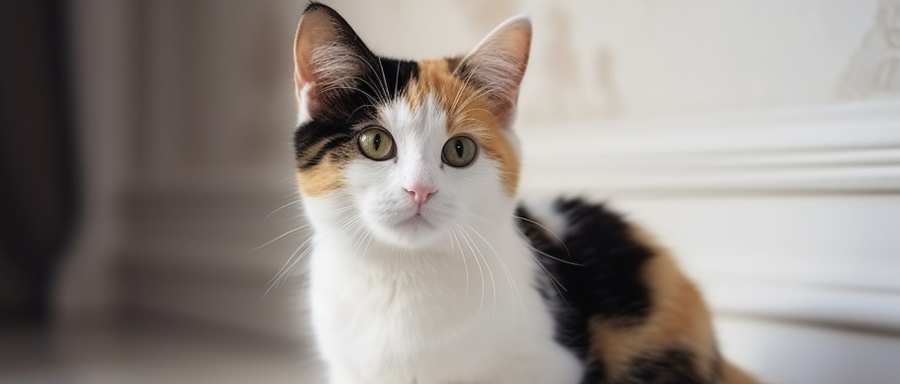
Peonies are not toxic to cats, but they can cause mild gastrointestinal upset if ingested.
Peonies are adored for their lush blooms and delightful fragrance, making them a popular choice in gardens and floral arrangements. However, for cat owners, the question often arises: Are peonies harmful to cats? Understanding the safety of plants in relation to pets is crucial for maintaining a harmonious home. This article dives deep into the world of peonies, their effects on cats, and what pet owners should be aware of.
The Basics of Peonies
Peonies belong to the genus Paeonia, which includes about 30 species and numerous hybrids. These perennial plants are celebrated for their large, often fragrant flowers that bloom in late spring to early summer. The petals come in various colors, including pink, white, red, and yellow. While they can be stunning additions to any garden or floral display, it’s essential to understand their characteristics beyond aesthetics.
Peonies thrive in well-drained soil and prefer full sun or partial shade. They require minimal care once established, making them a favorite among gardeners. However, their beauty comes with questions regarding safety for pets, particularly cats who may be curious about their surroundings.
Are Peonies Toxic to Cats?
The good news is that peonies are not classified as toxic to cats by organizations such as the ASPCA (American Society for the Prevention of Cruelty to Animals). This means that if a cat happens to nibble on a peony leaf or petal, it is unlikely to cause severe harm. However, ingestion can lead to mild gastrointestinal upset.
Cats may experience symptoms such as vomiting or diarrhea if they consume parts of the plant. These reactions are usually short-lived and resolve without medical intervention. It’s important for pet owners to monitor their pets closely if they suspect ingestion.
What Makes Peonies Safe?
The safety of peonies lies in their chemical composition. Unlike many other plants that contain harmful alkaloids or toxins, peonies have relatively benign compounds. They do not produce substances that can lead to severe poisoning in cats. However, this does not mean that all plants are safe; many common household plants can pose risks.
Understanding what makes peonies safe involves looking at the broader category of non-toxic plants. Many flowers and greenery that are safe for pets share similar traits: they lack harmful chemicals and do not induce severe reactions upon ingestion.
Potential Risks of Ingestion
While peonies aren’t toxic, it’s essential to recognize potential risks associated with ingestion. If a cat consumes too much plant material—whether from curiosity or boredom—it could lead to digestive issues.
Here’s a breakdown of possible symptoms:
| Symptom | Description |
|---|---|
| Vomiting | The cat may expel undigested food or plant material. |
| Diarrhea | Loose stools may occur as the digestive system reacts. |
| Lethargy | A general lack of energy could indicate discomfort. |
| Lack of Appetite | The cat may refuse food due to gastrointestinal distress. |
| Abdominal Pain | The cat may show signs of discomfort when touched. |
If any of these symptoms appear after a cat has ingested peony parts, it’s wise to consult a veterinarian for guidance.
Identifying Symptoms in Cats
Recognizing symptoms early can make all the difference in ensuring your cat’s health remains intact. Cats are adept at hiding discomfort; thus, paying attention becomes vital.
For instance, if a usually playful cat suddenly becomes withdrawn or refuses its favorite treats, it could signal an underlying issue related to plant ingestion. Monitoring behavior closely helps catch problems before they escalate.
Some additional behaviors might indicate an upset stomach:
- Grooming Excessively: A cat might groom itself more than usual due to stress or discomfort.
- Hiding: Cats often seek solitude when feeling unwell.
- Changes in Litter Box Habits: More frequent visits or straining could suggest gastrointestinal distress.
Being observant allows pet owners to take prompt action if needed.
Caring for Your Cat After Ingestion
If there’s concern about your cat having consumed peony parts—or any non-toxic plant—monitoring its behavior is crucial. Most cats will recover without intervention; however, providing comfort during this time helps ease stress.
Here are some tips:
- Hydration: Ensure fresh water is available at all times.
- Comfortable Space: Create a quiet area where your cat can rest undisturbed.
- Monitor Food Intake: If your cat seems uninterested in food but is otherwise alert, wait before offering anything again.
- Consultation: If symptoms persist beyond 24 hours or worsen significantly, seeking veterinary advice is essential.
Maintaining open communication with a veterinarian ensures you have guidance tailored specifically for your furry friend’s needs.
Alternatives for Cat Owners Who Love Gardening
For those who adore gardening yet worry about potential risks posed by certain plants—like peonies—there are numerous alternatives available that harmonize beauty with safety.
Plants such as marigolds and sunflowers offer vibrant colors without posing threats to feline friends. Here’s a list of some safe options:
| Plant Name | Description | Notes |
|---|---|---|
| Marigold (Tagetes) | A bright annual flower known for its cheerful blooms. | Repels some pests naturally. |
| Basil (Ocimum basilicum) | A fragrant herb used in cooking. | Cats often enjoy its scent. |
| Pansy (Viola tricolor) | A lovely flower available in various colors. | Adds charm without risk. |
| Bamboo Palm (Chamaedorea seifrizii) | A popular indoor plant known for its air-purifying qualities. | Sleek appearance fits well indoors. |
Choosing non-toxic plants allows pet owners peace of mind while still enjoying the joys of gardening.
The Importance of Plant Education for Pet Owners
Knowledge about which plants pose risks versus those deemed safe empowers pet owners significantly. With so many varieties available today—from houseplants to garden favorites—being informed creates safer environments for pets.
Researching specific species before bringing them into homes helps avoid potential health hazards down the line. Many resources provide comprehensive lists detailing both toxic and non-toxic flora; referring back regularly ensures ongoing education within households where pets reside.
Additionally:
- Familiarize Yourself with Local Flora: Understanding local plant life helps avoid accidental exposure during walks or outdoor playtime.
- Involve Family Members: Educating everyone about safe versus unsafe plants fosters collective responsibility toward pet safety.
- Regular Vet Check-ups: Maintaining routine veterinary visits keeps overall health monitored while allowing discussions around dietary concerns regarding flora consumption too!
These practices contribute positively toward maintaining harmony between beloved pets and cherished gardens alike!
Conclusion – Are Peonies Harmful To Cats?
In summary, while peonies aren’t harmful per se—being non-toxic—they can still cause mild digestive upset if ingested by curious felines. Monitoring behavior after suspected consumption remains vital; most cases resolve independently with proper care provided at home!
For those who adore these beautiful blooms but worry about their furry friends’ safety—consider alternative non-toxic options available! Educating oneself on plant safety contributes greatly toward ensuring healthy coexistence between beloved pets and stunning gardens alike!
By understanding these nuances surrounding both flora and feline companions alike—cat owners cultivate environments where both can thrive harmoniously together!