
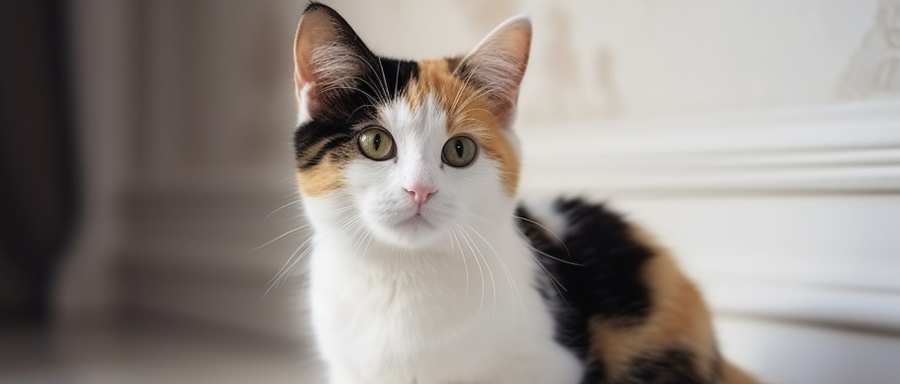
Male cats are indeed more susceptible to urinary issues due to anatomical and physiological factors.
Understanding Feline Urinary Health
Urinary health in cats is a critical aspect of their overall well-being. The urinary system, which includes the kidneys, ureters, bladder, and urethra, plays a vital role in filtering waste products from the blood and excreting them through urine. When this system is compromised, it can lead to various health problems, particularly in male cats. Understanding the complexities of feline urinary health helps in recognizing potential issues early on.
Male cats have a unique anatomical structure that contributes to their susceptibility to urinary problems. The male urethra is longer and narrower compared to that of female cats. This configuration can lead to blockages, especially if there are underlying conditions such as urinary crystals or stones. These blockages can be life-threatening if not addressed promptly.
Common Urinary Problems in Male Cats
Several urinary issues can affect male cats. Some of the most common include:
1. Urinary Tract Infections (UTIs)
UTIs are infections that affect any part of the urinary system. While they are less common in male cats than females, they can still occur. Symptoms may include frequent urination, straining to urinate, or blood in the urine. UTIs can be caused by bacteria entering the urinary tract and may require antibiotics for treatment.
2. Urethral Blockage
Urethral blockage is perhaps the most serious condition affecting male cats. This occurs when crystals or stones obstruct the urethra, preventing urine from passing through. This condition can lead to severe pain, bladder rupture, and even death if not treated immediately. Signs of a blockage include excessive grooming of the genital area, vocalization while attempting to urinate, and lethargy.
3. Feline Idiopathic Cystitis (FIC)
FIC is a complex condition characterized by inflammation of the bladder without an identifiable cause. Stress is often a contributing factor for FIC in male cats. Symptoms include frequent urination, painful urination, and blood in urine. Management typically involves addressing stressors in the cat’s environment and may require medication.
4. Crystals and Stones
Urinary crystals and stones form when certain minerals precipitate out of urine due to various factors such as diet and hydration levels. Male cats are particularly prone to developing these because their urethras are narrower than those of females; this increases the risk of blockage as crystals accumulate.
Factors Contributing to Urinary Problems
Several factors contribute to urinary problems in male cats:
1. Diet
The type of food a cat consumes plays a significant role in urinary health. Diets high in magnesium or phosphorus can increase the likelihood of crystal formation. Additionally, dry food may not provide sufficient moisture for hydration; this can lead to concentrated urine that promotes crystal formation.
2. Hydration
Cats are notoriously finicky drinkers; many prefer fresh water over stagnant water bowls. Ensuring adequate hydration is essential for maintaining urinary health since it helps dilute urine and flushes out toxins.
3. Stress
Stressful environments can trigger or exacerbate urinary issues, particularly FIC. Changes such as moving homes, new pets, or changes in routine can all contribute to stress levels in cats.
4. Obesity
Obesity increases the risk of developing various health problems in cats, including urinary issues. Overweight cats may have difficulty grooming themselves properly or accessing litter boxes comfortably—this can lead to behavioral changes that affect their ability to urinate normally.
The Role of Neutering
Neutering has been shown to impact feline health significantly, including urinary health outcomes:
Neutered male cats tend to have lower testosterone levels which may influence certain behaviors associated with marking territory—this could potentially reduce stress-related incidents that contribute to urinary issues.
However, some studies suggest that neutering may also increase the risk of obesity if owners do not adjust feeding practices post-surgery; obesity itself is a risk factor for urinary problems.
Signs Indicating Urinary Issues
Recognizing early signs of potential urinary problems is crucial for prompt intervention:
- Frequent trips to the litter box
- Straining while attempting to urinate
- Blood present in urine
- Vocalization during urination
- Lethargy or decreased activity levels
- Excessive licking around the genital area
If any combination of these symptoms is observed, consulting with a veterinarian promptly is essential for diagnosis and treatment.
Treatment Options for Urinary Problems
Treatment varies depending on the specific urinary issue diagnosed:
1. Antibiotics for UTIs
If a UTI is confirmed through testing (urinalysis), antibiotics will likely be prescribed by a veterinarian based on culture results indicating which bacteria are present.
2. Emergency Care for Blockages
Urethral blockages require immediate veterinary intervention—this often involves sedation followed by catheterization or surgery if necessary.
3. Dietary Management
Changing dietary habits plays an integral role in managing conditions like FIC or preventing crystal formation:
Veterinarians often recommend specialized diets formulated specifically for promoting urinary tract health—these diets usually contain controlled levels of minerals known to contribute toward crystal formation while ensuring adequate moisture content.
The Importance of Regular Veterinary Check-ups
Regular veterinary check-ups play an essential role in maintaining feline health overall—including monitoring potential risks associated with urinary problems:
During routine visits:
- Weight assessments help identify obesity early.
- Urinalysis tests provide insight into kidney function.
- Blood work allows veterinarians assess organ function comprehensively.
Early detection leads toward prompt treatment options which ultimately improve long-term outcomes significantly!
| Condition | Symptoms | Treatment |
|---|---|---|
| Urinary Tract Infection (UTI) | Frequent urination Straining Blood in urine |
Antibiotics Increased hydration |
| Urethral Blockage | Painful attempts at urination Lethargy Vocalization during urination |
Sedation & catheterization Surgery if severe |
| Feline Idiopathic Cystitis (FIC) | Painful urination Frequent trips Blood in urine |
Dietary changes Stress management Medications as needed |
| Crystals/Stones Formation | Pain during urination Frequent litter box visits Possible blockage signs |
Dissolution diets Increased water intake Surgery if necessary |
The Importance of Hydration and Diet Management
Maintaining proper hydration levels significantly reduces risks associated with many common feline ailments—including those affecting their delicate urogenital systems!
Providing fresh water daily encourages drinking habits while incorporating wet food into meals enhances moisture intake!
Additionally adjusting dietary choices toward high-quality protein sources low on harmful additives supports optimal kidney function reducing chances associated with crystal/stones formation!
Consider consulting veterinary professionals regarding specific recommendations tailored according individual needs ensuring best possible outcomes!
Ultimately fostering healthy habits around nutrition plays pivotal roles influencing longevity quality life enjoyed by beloved companions!
The Psychological Aspect: Stress Management Techniques for Cats
Stress management techniques prove beneficial when addressing underlying causes contributing toward recurrent episodes related specifically towards FIC!
Creating safe spaces within home environments allows felines retreat whenever feeling anxious; adding vertical spaces such trees/shelves encourages exploration promoting physical activity reducing boredom-related stressors!
Interactive toys stimulate mental engagement keeping minds sharp reducing chances developing behavioral issues stemming from lack stimulation!
Moreover establishing routines around feeding times/playing sessions fosters predictability helping ease anxious feelings experienced during uncertain situations!
Incorporating pheromone diffusers designed specifically calming effects could aid creating peaceful atmospheres aiding relaxation overall improving emotional well-being!
Ultimately recognizing importance prioritizing mental wellness alongside physical care ensures holistic approach towards maintaining optimal feline health!
Conclusion – Are Male Cats More Prone To Urinary Problems?
Yes! Male cats indeed face higher risks concerning various types associated with urogenital complications due primarily structural differences found within anatomy compared female counterparts!
Understanding these nuances empowers cat owners take proactive measures ensuring optimal care provided throughout lives beloved companions!
Implementing regular veterinary visits coupled thorough monitoring behavioral patterns aids early detection potential issues leading toward prompt interventions ultimately enhancing quality life enjoyed furry friends!
Ensuring proper hydration/dietary management alongside stress reduction techniques fosters healthier happier felines paving pathways longevity vibrant lives filled joy companionship shared moments together!