
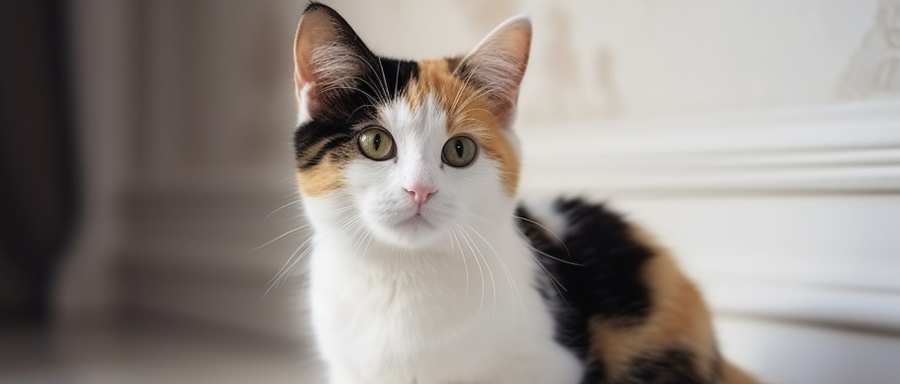
Choosing between male and female cats often comes down to personality traits and individual preferences.
Cats have captivated human hearts for thousands of years, becoming cherished companions in countless households. The debate over whether male cats or female cats make better pets is as old as cat domestication itself. Each gender brings its own unique traits, behaviors, and quirks to the table. Understanding these differences can help anyone looking to adopt a feline friend make an informed decision that aligns with their lifestyle and preferences.
Understanding Male Cats
Male cats, or toms, are often characterized by their playful and affectionate nature. Generally speaking, they tend to be more social than their female counterparts. This sociability can manifest in various ways, from seeking attention to engaging in playful antics that keep their humans entertained. Male cats are also known for their territorial instincts, which can sometimes lead to aggressive behavior, especially if they feel threatened or challenged by other pets.
Another notable trait of male cats is their tendency to be more vocal. They may meow more frequently or even engage in what some owners describe as “talking back.” This vocalization can be charming and entertaining but may also become overwhelming for those who prefer a quieter pet.
In terms of health considerations, male cats are at a higher risk for certain conditions like urinary blockages. This is particularly true for unneutered males, who may develop issues related to their reproductive organs. Neutering not only helps mitigate these risks but also tends to calm some of the more aggressive and territorial behaviors.
Social Behavior of Male Cats
Male cats often thrive on social interactions. They enjoy being around people and other pets alike. This characteristic makes them ideal companions for families with children or other animals. Their playful nature can lead to hours of fun as they chase after toys or engage in roughhousing with fellow pets.
However, it’s essential to note that not all male cats will exhibit the same level of sociability. Individual personalities can vary widely based on factors such as breed, environment, and early socialization experiences. Some toms might prefer solitude or have a more reserved demeanor.
Understanding Female Cats
Female cats tend to display a different set of characteristics compared to males. Generally speaking, they are often seen as more independent and reserved. While female cats can certainly be affectionate and loving, they may not seek attention as readily as males do. This independence can be appealing for individuals who prefer a more low-maintenance pet.
Female cats are also known for being meticulous groomers. They spend considerable time cleaning themselves, which contributes to their overall cleanliness and reduces the likelihood of odors in the home. This grooming behavior is often accompanied by a calm demeanor that many cat owners find soothing.
Health-wise, female cats face different challenges than males do. Spaying female cats is crucial not only for population control but also for preventing health issues like uterine infections and breast tumors later in life. Spaying typically leads to a calmer disposition in females while also eliminating the risk of heat cycles that can cause behavioral changes.
Social Behavior of Female Cats
While female cats may appear aloof at times, they form deep bonds with their owners and can be incredibly affectionate in their own way. They often express love through gentle purring or sitting close by rather than through overt displays of affection like playfulness or vocalization.
Their independent nature means they might not require constant attention but will appreciate quality time spent together—whether it’s sitting quietly while you read or enjoying a sunny spot on the windowsill together.
Behavioral Differences: Male vs Female Cats
The behavioral differences between male and female cats extend beyond mere personality traits; they also encompass how each gender interacts with its environment and humans alike.
| Behavioral Trait | Male Cats | Female Cats |
|---|---|---|
| Sociability | More social; enjoys interaction | More independent; seeks companionship on own terms |
| Tendency to Play | Often playful; enjoys active playtime | May prefer calmer activities; enjoys interactive play occasionally |
| Aggression Levels | Higher risk if unneutered; territorial tendencies | Lowers aggression after spaying; generally less territorial |
| Caring Behavior | Can be affectionate but may demand attention | Affectionate but typically on their own terms |
| Vocalization | Tend to be more vocal; frequent meowing | Less vocal overall; quieter demeanor |
Understanding these behavioral differences allows potential cat owners to align their expectations with what each gender typically offers.
The Role of Neutering/Spaying in Behavior Modification
Neutering male cats has significant behavioral implications that every potential cat owner should consider seriously. Neutered males are generally less aggressive and less likely to engage in territorial disputes with other animals. This change can lead to a more harmonious household environment where multiple pets coexist peacefully.
Similarly, spaying female cats eliminates heat cycles that can cause them to act erratically—exhibiting behaviors such as increased vocalization and restlessness during mating season. By spaying early on, owners can help ensure that their female cat remains calm throughout her life.
Both procedures contribute positively not only to the individual cat’s behavior but also enhance the overall dynamics within multi-pet households.
The Importance of Individual Personality Over Gender Stereotypes
While gender-based generalizations exist regarding male versus female feline behavior, it’s crucial not to overlook individual personality traits that vary widely among all cats—regardless of whether they’re male or female. Some toms may possess nurturing qualities typically attributed to females while certain females may exhibit boisterousness common among males.
Every cat has its unique quirks shaped by genetics, upbringing experiences, and environmental factors rather than solely relying on gender stereotypes alone when determining suitability as pets.
Potential owners should spend time interacting with prospective feline companions before making decisions based solely on gender perceptions alone—this approach ensures compatibility between human lifestyles alongside preferred pet characteristics!
The Impact of Breed on Gender Traits
Different breeds come with varying characteristics that may influence both male and female personalities alike—some breeds might emphasize sociability while others promote independence regardless of gender distinctions! For instance:
- Siamese: Known for being incredibly vocal regardless of gender; both males & females crave attention.
- Maine Coon: Males & females alike are gentle giants who enjoy companionship yet retain an independent spirit.
- Persians: Often laid-back & affectionate regardless if they’re male or female.
- Bengals: Both genders display high energy levels & love interactive playtime!
Researching specific breed traits helps prospective owners understand what kind of personality they might expect from a particular cat beyond just considering its sex!
Caring For Male vs Female Cats: Similarities & Differences
Caring for any cat requires commitment—yet there are nuances involved depending upon whether one adopts a male or female feline companion! Here’s what caring entails:
1. Dietary Needs: Both genders require high-quality nutrition tailored toward age & weight considerations.
2. Grooming: While grooming habits differ slightly (females grooming themselves more), regular brushing helps maintain coat health across both genders!
3. Playtime Requirements: Engaging playtime is essential regardless if it’s a rambunctious tom chasing after toys or a laid-back queen enjoying laser pointers occasionally!
4. Health Checkups: Regular veterinary visits ensure both genders remain healthy; however specific conditions may arise depending upon sex (e.g., urinary issues in males).
5. Litter Box Maintenance: Keeping litter boxes clean is vital! Both genders appreciate cleanliness when doing their business!
Ultimately providing love & care remains paramount irrespective whether one has chosen an affectionate tomcat or an independent queen!
The Cost Considerations When Adopting Male vs Female Cats
Adopting any pet comes with financial responsibilities! While adoption fees vary based upon location/breed type—there aren’t significant cost differences tied directly towards sex! However here are some potential costs associated:
1) Initial Adoption Fees: Varies widely among shelters/rescues based upon age/breed popularity.
2) Spaying/Neutering Costs: Typically incurred shortly after adoption unless already done beforehand (cost-effective options available through local shelters).
3) Routine Veterinary Care: Annual checkups/vaccinations necessary regardless if it’s male/female!
4) Food/Supplies: Monthly expenses incurred from food/litter/toys remain consistent across both genders!
5) Emergency Medical Expenses: Unexpected health issues arise irrespective whether it’s a boy/girl needing urgent care down the line!
Being prepared financially ensures responsible pet ownership no matter which feline companion one chooses!
Conclusion – Are Male Cats Or Female Cats Better?
Deciding whether male cats or female cats make better pets ultimately hinges on personal preferences rather than absolute truths about each gender’s characteristics! Each cat possesses its unique personality shaped