
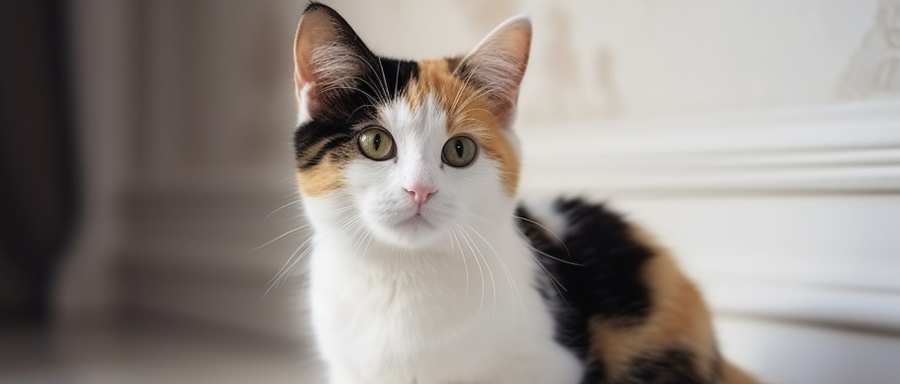
New Guinea Impatiens are not considered poisonous to cats, making them a safe choice for pet owners.
Understanding New Guinea Impatiens
New Guinea Impatiens, known scientifically as Impatiens hawkeri, are popular ornamental plants celebrated for their vibrant colors and lush foliage. They thrive in various environments, making them a favorite among gardeners. These plants are renowned for their ability to bloom in shady areas where many other flowers struggle. Their flowers come in shades of red, pink, white, and purple, adding a splash of color to any garden or indoor space.
The leaves of New Guinea Impatiens are broad and glossy, contributing to their overall appeal. They can grow up to 24 inches tall and spread about 18 inches wide, making them an excellent choice for borders or container gardening. One unique characteristic of these impatiens is their tolerance to heat and humidity compared to traditional impatiens.
Caring for New Guinea Impatiens involves ensuring they receive adequate water without becoming waterlogged. They prefer well-draining soil and should be watered regularly during dry spells. Fertilizing with a balanced fertilizer every few weeks can promote healthy growth and abundant blooms.
Are New Guinea Impatiens Safe for Pets?
The question of whether New Guinea Impatiens are safe for pets is crucial for pet owners who love gardening. Fortunately, these plants are non-toxic to cats and dogs according to the ASPCA (American Society for the Prevention of Cruelty to Animals). This means that if a cat decides to nibble on the leaves or flowers, there is no significant risk of poisoning or severe health issues.
However, while they are not toxic, it’s essential to monitor your pets around any plants. Cats may experience mild gastrointestinal upset if they consume large amounts of any plant material. Symptoms can include vomiting or diarrhea, but these are generally not serious and often resolve on their own.
Common Symptoms of Plant Toxicity in Cats
It’s helpful to recognize the signs that could indicate your cat has ingested something harmful. While New Guinea Impatiens aren’t toxic, understanding general symptoms can help in monitoring your pet’s health:
- Vomiting: Frequent vomiting or attempts to vomit can indicate an upset stomach.
- Diarrhea: Loose stools may occur after consuming plant material.
- Lethargy: A lack of energy or unusual tiredness might be concerning.
- Lack of appetite: If your cat refuses food for an extended period, it could signal distress.
If any of these symptoms appear after your cat has been around plants—especially if you suspect ingestion—it’s wise to consult with a veterinarian.
Caring for Your Garden with Pets in Mind
Creating a pet-friendly garden requires thoughtful planning. While choosing non-toxic plants like New Guinea Impatiens is a great start, there are other considerations as well. Here’s how to design a safe environment while still enjoying the beauty of your garden:
Choosing Non-Toxic Plants
Selecting non-toxic plants ensures that even if your pets explore or nibble on greenery, they remain safe. Besides New Guinea Impatiens, consider other pet-safe options such as:
| Plant Name | Description |
|---|---|
| Bamboo Palm | A lovely indoor plant that purifies air quality. |
| Ponytail Palm | An easy-care succulent with unique appearance. |
| Pansies | A colorful flower that thrives in cooler weather. |
| Spider Plant | A resilient houseplant known for its air-purifying qualities. |
These options not only beautify spaces but also ensure peace of mind regarding pet safety.
Create Boundaries in the Garden
Establishing designated areas within the garden can help keep pets away from specific plants while allowing them access to safe zones. Using decorative fencing or planting barriers can effectively guide pets away from delicate blooms like New Guinea Impatiens.
Regular Maintenance and Monitoring
Regularly inspecting your garden helps catch any potential issues early on. Keeping an eye on plant health ensures that no toxic pests invade your space. Moreover, maintaining cleanliness by removing fallen leaves or debris discourages pets from rummaging through potentially harmful areas.
The Benefits of Having Non-Toxic Plants Like New Guinea Impatiens
Having non-toxic plants in the home or garden provides numerous benefits beyond safety. These benefits enhance both the aesthetic appeal and emotional well-being of pet owners:
Aesthetic Appeal
New Guinea Impatiens offer vibrant colors year-round when properly cared for. Their ability to thrive in shady spots means they can brighten up areas often overlooked by other flowering plants.
Mental Health Benefits
Gardening itself serves as a therapeutic activity that reduces stress levels and promotes mindfulness. The act of nurturing plants fosters a sense of responsibility and connection with nature.
Air Quality Improvement
Plants improve indoor air quality by filtering toxins and releasing oxygen. Incorporating non-toxic varieties enhances living spaces without compromising pet safety.
Coping with Cat Curiosity Around Plants
Cats are naturally curious creatures; they explore their surroundings through scent and taste. Even with non-toxic plants like New Guinea Impatiens present, some cats may still show interest in nibbling on leaves out of curiosity rather than hunger.
Providing alternative entertainment can redirect this curiosity effectively:
- Cat Grass: Growing cat grass offers an appealing option for feline friends while keeping them away from houseplants.
- Toys: Engaging toys stimulate mental activity and distract cats from exploring houseplants.
- Scented Scratching Posts: These encourage scratching behavior while keeping cats away from delicate foliage.
By providing alternatives that satisfy their natural instincts without compromising safety, it becomes easier to maintain harmony between beloved pets and beautiful gardens.
The Importance of Educating Others About Plant Safety
Sharing knowledge about plant safety among fellow pet owners fosters a community focused on well-being—both human and animal alike! Encouraging discussions at local gardening clubs or online forums helps raise awareness about which plants are safe versus those that pose risks.
Promoting resources such as ASPCA’s toxic plant list empowers others with information needed for informed decisions regarding landscaping choices—especially when pets are part of the equation!
Conclusion – Are New Guinea Impatiens Poisonous To Cats?
In summary, the answer remains clear: Are New Guinea Impatiens Poisonous To Cats? No! These beautiful flowers serve as an excellent addition to gardens without posing risks to our feline companions. By choosing non-toxic options like these impatiens while implementing strategies that keep curious kitties engaged elsewhere allows everyone—pets included—to enjoy vibrant spaces filled with life!