
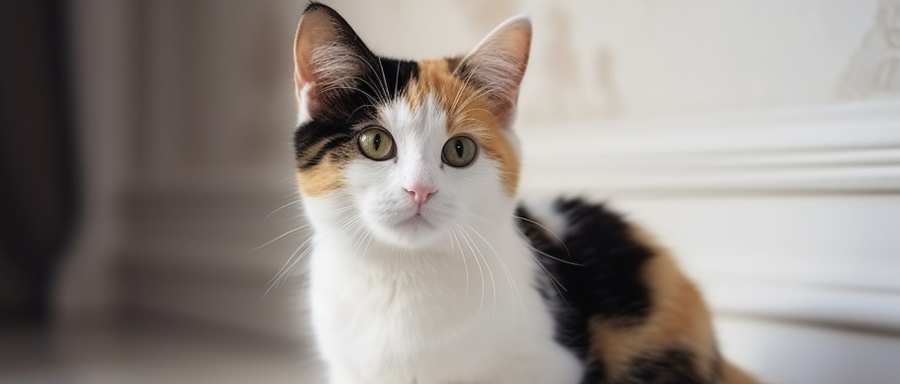
Yes, Paperwhites are toxic to cats, causing symptoms like vomiting and lethargy if ingested.
Understanding Paperwhites
Paperwhites, or Narcissus tazetta, are popular for their fragrant blooms and ease of care. These flowering plants are often used in homes during the winter months to bring a touch of spring indoors. Their white or yellow flowers bloom beautifully, making them a favorite among gardeners and floral enthusiasts alike. However, while they may brighten up any room, it’s crucial to recognize that these lovely plants come with certain risks, especially for pet owners.
The entire plant is considered toxic to cats due to the presence of compounds called alkaloids. These substances can lead to various health issues in felines if ingested. It’s not uncommon for curious cats to nibble on houseplants, leading to potential poisoning. Understanding the specific dangers posed by Paperwhites can help pet owners make informed decisions about their indoor plant selections.
Symptoms of Toxicity in Cats
Cats that ingest parts of the Paperwhite plant can exhibit several symptoms. Recognizing these signs early can be vital for ensuring your pet’s safety and health. Some common symptoms include:
- Vomiting: This is often one of the first signs that something is wrong.
- Diarrhea: Gastrointestinal distress can follow ingestion.
- Lethargy: A decrease in energy levels may occur as the cat feels unwell.
- Abdominal Pain: Cats might show signs of discomfort or pain in their abdomen.
- Drooling: Excessive salivation can indicate nausea or distress.
If a cat exhibits any combination of these symptoms after being around Paperwhites, it’s essential to seek veterinary care promptly. Early intervention can significantly improve outcomes.
How Much is Toxic?
The toxicity level varies depending on how much of the plant has been consumed. Even a small amount can cause gastrointestinal upset, while larger quantities may lead to more severe reactions. It’s important for cat owners to be aware that even the water from a vase containing Paperwhite bulbs can pose risks if ingested.
Here’s a brief overview of toxicity levels:
| Part of Plant | Toxicity Level |
|---|---|
| Bulb | High |
| Leaves | Moderate |
| Flowers | Low |
This table illustrates how different parts of the plant vary in toxicity levels. The bulb is the most dangerous part due to its concentrated alkaloids.
Preventing Exposure to Paperwhites
Keeping your feline friend safe from toxic plants requires vigilance and proactive measures. Here are some effective strategies:
- Choose Safe Plants: Opt for non-toxic houseplants that are safe for cats. Some examples include spider plants, Boston ferns, and cat grass.
- Placement Matters: If you do choose to keep Paperwhites or other potentially harmful plants, place them out of reach. High shelves or hanging planters can deter curious cats from accessing them.
- Educate Yourself: Familiarize yourself with common household plants that are toxic to pets. Resources like the ASPCA’s Poison Control database provide valuable information about which plants should be avoided.
- Create a Safe Space: Designate areas in your home where your cat is not allowed access to certain plants or items that could be harmful.
By taking these precautions, cat owners can significantly reduce the risk of accidental ingestion and ensure their pets remain safe and healthy.
What To Do If Your Cat Ingests Paperwhites?
If there’s any suspicion that a cat has ingested part of a Paperwhite plant, acting quickly is crucial. Here’s what steps should be taken:
1. Assess Symptoms: Monitor your cat closely for any signs of distress or illness.
2. Contact Your Veterinarian: Even if symptoms seem mild initially, it’s wise to consult with a veterinarian who understands pet poisoning cases.
3. Provide Information: Be prepared to provide details about what was ingested and how much you believe was consumed.
4. Follow Veterinary Advice: Your vet may recommend bringing your cat in for examination or suggest at-home care based on the severity of symptoms.
Prompt action not only helps mitigate potential health risks but also provides peace of mind during a stressful situation.
The Role of Veterinary Care in Poisoning Cases
Veterinary professionals play an essential role in managing cases of poisoning from toxic plants like Paperwhites. They have access to treatments and interventions that can alleviate symptoms and promote recovery.
Veterinarians may administer activated charcoal if ingestion occurred recently; this helps absorb toxins before they enter the bloodstream. Supportive care such as IV fluids may also be necessary if dehydration occurs due to vomiting or diarrhea.
It’s vital for all pet owners to have contact information for their veterinarian readily available in case emergencies arise regarding potential poisonings.
Alternatives To Paperwhites For Cat Owners
For those who love having flowers indoors but want to ensure their cats’ safety at all times, there are plenty of non-toxic alternatives available:
- African Violets (Saintpaulia): These vibrant flowers add color without posing risks.
- Bamboo Palm (Chamaedorea seifrizii): A lovely indoor palm that’s safe for pets.
- Areca Palm (Dypsis lutescens): Another palm option known for its air-purifying qualities.
- Christmas Cactus (Schlumbergera): A festive choice that blooms beautifully during winter months without harming pets.
Choosing non-toxic plants allows pet owners to enjoy greenery and floral beauty without compromising their furry friends’ safety.
Creating a Pet-Friendly Home Environment
Designing an environment conducive to both plant life and pet safety requires thoughtful planning and consideration of your pets’ habits and behaviors:
1. Plant Selection: Prioritize non-toxic varieties when selecting houseplants.
2. Designated Areas: Create specific areas where pets are allowed versus where plants reside; this helps set boundaries.
3. Regular Checks: Routinely inspect areas where plants are kept; ensure no leaves or petals have fallen within reach.
4. Education on Plant Care: Understanding how best to care for chosen plants will help maintain healthy specimens without attracting curiosity from pets.
By focusing on creating a balanced environment filled with safe choices, pet owners can enjoy their love for gardening while keeping their furry companions secure.
Conclusion – Are Paperwhites Toxic To Cats?
In summary, yes—Paperwhites are indeed toxic to cats due to harmful compounds found throughout the plant, especially within its bulbs. Symptoms such as vomiting and lethargy can arise if ingestion occurs, making it crucial for cat owners to be vigilant about plant choices within their homes.
Taking proactive steps such as choosing safer alternatives and educating oneself about toxic plants contributes significantly towards maintaining a harmonious living space shared with beloved pets. By implementing these practices, pet owners can enjoy beautiful indoor gardens while ensuring their feline friends remain happy and healthy!