
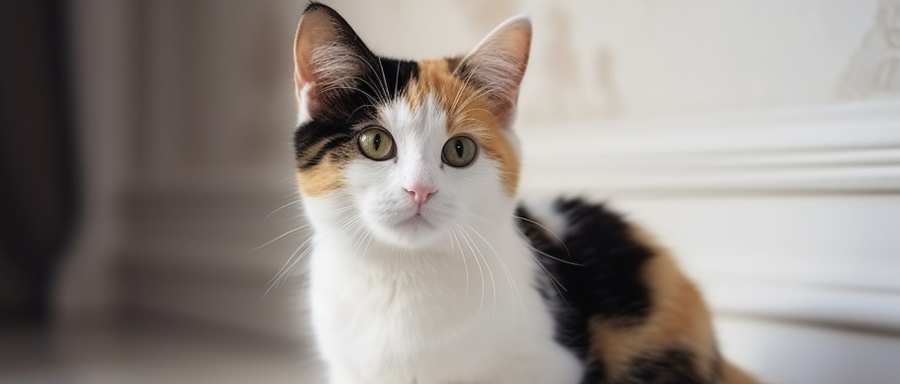
Norfolk Island Pine is non-toxic to cats, making it a safe choice for pet owners.
Understanding Norfolk Island Pine
Norfolk Island Pine, scientifically known as Araucaria heterophylla, isn’t a true pine tree. Native to the Norfolk Island in the South Pacific, this tree is often admired for its symmetrical shape and lush green foliage. It’s commonly used as a houseplant and can grow quite tall indoors. The tree’s unique appearance makes it a favorite among decorators, especially during the festive season when it’s often used as an alternative Christmas tree.
The Norfolk Island Pine can thrive in various conditions, but it prefers bright, indirect light and well-draining soil. This adaptability makes it suitable for many indoor environments. However, understanding its impact on pets, particularly cats, is crucial for responsible pet ownership.
Common Myths About Norfolk Island Pine
When considering plants for homes with pets, misinformation can spread easily. One prevalent myth is that Norfolk Island Pine poses a significant health risk to cats. This misconception likely arises from the general caution surrounding many houseplants. However, research indicates that this tree is not toxic to felines.
Some plants contain compounds that can cause gastrointestinal upset or more severe reactions in animals. It’s important to differentiate between these species and the Norfolk Island Pine. In fact, many pet owners have reported their cats showing no adverse reactions after chewing on or playing with the leaves of this plant.
Characteristics of Norfolk Island Pine
Understanding the characteristics of Norfolk Island Pine helps in appreciating why it’s considered safe around cats. Here are some key features:
| Characteristic | Description |
|---|---|
| Height | Can grow up to 200 feet outdoors; typically 3-6 feet indoors. |
| Leaves | Soft, needle-like leaves arranged in whorls. |
| Growth Rate | Slow-growing; may take years to reach full height. |
| Toxicity Level | Non-toxic; safe for pets. |
| Cultural Significance | A symbol of holiday cheer; popular in decorations. |
These characteristics highlight why this plant is often chosen by pet owners looking for greenery that won’t harm their furry friends.
The Impact of Plant Consumption on Cats
While it’s established that Norfolk Island Pine is non-toxic, it’s still essential to consider how plants affect cats if ingested. Cats are known to chew on plants out of curiosity or boredom. This behavior can lead to mild gastrointestinal upset regardless of whether the plant is toxic or not.
Symptoms may include vomiting or diarrhea but are generally self-limiting if the plant consumed is safe like the Norfolk Island Pine. Observing your cat’s behavior around plants can provide insight into their preferences and potential dietary needs.
Cats’ Natural Instincts and Plant Interaction
Cats have an innate curiosity that often leads them to explore their surroundings through taste and smell. This instinct can sometimes result in unwanted interactions with houseplants. Providing cat-friendly alternatives can help mitigate any risks associated with plant consumption.
Cat grass or catnip are excellent choices that satisfy their need to chew while keeping them away from potentially harmful plants. Encouraging interactions with these safe options can keep your feline friend entertained and healthy.
Health Benefits of Having Plants Indoors
Incorporating plants like Norfolk Island Pine into your home offers more than just aesthetic appeal; they also contribute positively to indoor air quality. Plants naturally absorb carbon dioxide and release oxygen, creating a healthier living environment.
Moreover, having greenery around can reduce stress levels in both humans and pets alike. The calming presence of plants may help create a serene atmosphere conducive to relaxation and well-being.
The Role of Indoor Plants in Cat Enrichment
Indoor plants can serve as an enrichment tool for cats as well. They provide visual stimulation and can even encourage playfulness when arranged strategically throughout your home. A well-placed Norfolk Island Pine might become a lookout point or a cozy spot for your cat to enjoy sunbathing.
However, always ensure that climbing opportunities are safe and that any potential hazards are minimized. Regularly inspecting your plants for pests or diseases keeps both your flora healthy and your feline friends safe from unwanted exposure.
Caring for Your Norfolk Island Pine Around Cats
Caring for a Norfolk Island Pine requires some specific considerations when you share your space with cats. Here are some tips:
1. Placement: Position the plant where your cat cannot easily knock it over or climb into it.
2. Watering: Ensure proper drainage; overwatering can lead to root rot which could attract pests.
3. Fertilizing: Use diluted liquid fertilizer during the growing season but avoid over-fertilizing.
4. Pruning: Regularly prune dead or yellowing branches to keep the plant healthy.
5. Observation: Monitor your cat’s behavior around the plant regularly; if they seem overly interested, consider providing alternative chewable options like grass.
Taking these steps ensures both the health of your plant and safety for your feline friend.
Signs Your Cat May Be Unwell After Plant Interaction
Even though Norfolk Island Pine isn’t toxic, monitoring any changes in behavior after interaction with plants is wise practice for pet owners. Some signs that may indicate distress include:
- Excessive vomiting
- Diarrhea
- Lethargy
- Loss of appetite
If any of these symptoms occur after your cat has interacted with a plant—even one considered non-toxic—contacting a veterinarian is advisable for further guidance.
A Proactive Approach to Plant Safety with Pets
Being proactive about plant safety involves understanding which species are safe versus those that pose risks to cats and other pets. Researching before introducing new plants into the home helps prevent potential health issues down the line.
Creating a designated area for pet-safe plants encourages exploration without fear of toxicity while allowing you to enjoy greenery indoors without worry.
Conclusion – Are Norfolk Island Pine Toxic To Cats?
In summary, having a Norfolk Island Pine at home poses no threat to cats; they are indeed non-toxic and safe around our furry companions. Understanding how this unique tree interacts within our homes enhances our appreciation for its beauty while ensuring our pets remain healthy and happy.
By taking proper care of both the plant and monitoring our pets’ interactions with it, we create an enriching environment filled with life—both botanical and feline! Embracing nature indoors not only beautifies our spaces but also contributes positively to our overall well-being while keeping our beloved pets safe at all times.