
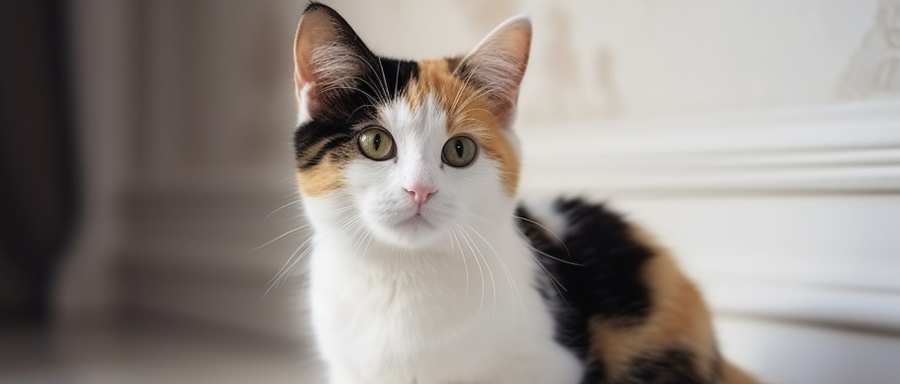
Pincushion flowers are not toxic to cats, making them safe for your furry friends to be around.
Pincushion flowers, scientifically known as Leucospermum, are vibrant and unique plants that can bring a splash of color to any garden or indoor space. With their striking appearance and relatively easy care, many people wonder about their safety, especially concerning pets like cats. The question “Are Pincushion Flowers Toxic To Cats?” often arises among cat owners who want to ensure a safe environment for their beloved companions.
In this article, I’ll delve into the specifics of pincushion flowers and their effects on cats. Understanding what plants are safe or harmful can significantly impact pet health and well-being. It’s essential to address common concerns regarding plant toxicity, especially for curious cats that love to explore their surroundings.
The Basics of Pincushion Flowers
Pincushion flowers belong to the Proteaceae family and are native to South Africa. They come in various colors, including yellow, orange, red, and pink, with unique shapes resembling pincushions—hence the name. These flowers bloom in clusters and attract pollinators like bees and birds, making them a popular choice for gardeners looking to create vibrant landscapes.
The plants thrive in well-drained soil and prefer full sun exposure. They are drought-tolerant once established, making them suitable for various climates. Their striking appearance makes them a favorite among florists for arrangements and bouquets.
While they’re visually appealing and generally easy to care for, it’s crucial to consider their safety around pets.
Understanding Plant Toxicity
When discussing plant toxicity, it’s essential to know that not all plants pose the same risks to animals. Some plants contain compounds that can be harmful or even fatal if ingested by pets. Others may cause mild gastrointestinal upset but aren’t life-threatening.
Plant toxicity is classified into several categories based on the severity of the effects on pets:
1. Highly Toxic: These plants can cause severe illness or death if ingested.
2. Moderately Toxic: Ingestion may lead to moderate illness but is rarely fatal.
3. Mildly Toxic: These plants may cause mild symptoms but are generally not dangerous.
4. Non-Toxic: These plants pose no threat to pets.
Understanding where pincushion flowers fall on this spectrum is crucial for pet owners.
Are Pincushion Flowers Toxic To Cats?
After extensive research into various sources regarding plant toxicity in cats, it’s clear that pincushion flowers are categorized as non-toxic. This means they do not contain harmful compounds that would adversely affect feline health if ingested.
However, while they are deemed safe, it’s still wise to monitor your cat’s behavior around any plant. Cats are naturally curious creatures and may nibble on leaves or flowers out of curiosity rather than hunger. Even non-toxic plants can lead to mild gastrointestinal issues if a cat consumes them in large quantities.
Potential Symptoms of Plant Ingestion
Even with non-toxic plants like pincushion flowers, it’s essential to be aware of potential symptoms that could arise from ingestion:
- Vomiting
- Diarrhea
- Lethargy
- Loss of appetite
If a cat exhibits any of these symptoms after interacting with a plant, it’s best to consult a veterinarian for advice.
Creating a Cat-Friendly Garden
For those who love gardening but also want to keep their feline friends safe, creating a cat-friendly garden is entirely possible with some thoughtful planning. Here are some tips:
1. Choose Non-Toxic Plants: Research which plants are safe for cats before introducing them into your garden.
2. Designate Areas: Create specific areas where your cat can roam freely without access to potentially harmful plants.
3. Use Barriers: If you have toxic plants you want in your garden, consider using barriers or fencing to keep your cat away from those areas.
4. Provide Alternatives: Cats enjoy certain grasses like catnip or wheatgrass; incorporating these into your garden can provide safe chewing options.
5. Monitor Behavior: Keep an eye on your cat’s interactions with the garden environment; this helps ensure they’re not consuming anything harmful.
By being proactive about plant choices and monitoring your pet’s behavior around them, it’s possible to maintain both a beautiful garden and a safe space for cats.
Pincushion Flower Care Tips
For those who decide to incorporate pincushion flowers into their gardens or homes, proper care is necessary for optimal growth and blooming:
1. Soil Requirements: Pincushion flowers prefer well-drained soil rich in organic matter but not overly moist conditions.
2. Watering Needs: Water these plants regularly during dry spells but allow the soil to dry out between watering sessions; overwatering can lead to root rot.
3. Sunlight Exposure: Full sun is ideal for healthy growth; aim for at least six hours of direct sunlight daily.
4. Fertilization: Use a low-phosphorus fertilizer during the growing season; excessive phosphorus can harm these native South African species.
5. Pruning: Regular pruning encourages bushier growth and more blooms; remove spent flowers promptly after blooming ends.
By following these care tips, pincushion flowers will thrive in gardens while ensuring they remain safe companions alongside curious cats.
Other Safe Plants For Cats
While pincushion flowers offer beauty without risk, many other non-toxic plants can enhance any home or garden setting without posing threats to feline friends:
| Plant Name | Description |
|---|---|
| Spider Plant | A resilient houseplant known for its air-purifying qualities. |
| Bamboo Palm | A popular indoor palm that thrives in low light. |
| Boston Fern | A lush fern that adds greenery indoors while being safe. |
| Cat Grass | Specific grasses like wheatgrass provide safe chewing options. |
| Ponytail Palm | A unique-looking plant that’s both decorative and non-toxic. |
These options ensure that homes remain vibrant while keeping pets’ health at the forefront of gardening decisions.
The Importance of Veterinary Consultation
Any time there’s uncertainty regarding what’s safe or harmful for pets regarding plant life, consulting with a veterinarian is wise practice. Vets can provide tailored advice based on individual circumstances such as existing health conditions or specific dietary needs related to flora consumption by pets.
Regular veterinary check-ups also help catch any potential issues early on before they escalate into severe health concerns related either directly or indirectly through environmental factors like toxic plant exposure.
In addition, many veterinarians have resources available regarding pet-safe gardening practices or lists of non-toxic plants specific to local flora—making it easier than ever for pet owners dedicated toward maintaining both beauty within their homes while ensuring safety remains paramount throughout every living space shared with animals!
Conclusion – Are Pincushion Flowers Toxic To Cats?
In summary, pincushion flowers are indeed non-toxic to cats! This makes them an excellent choice for pet owners who wish to incorporate beautiful flora into their living spaces without worrying about potential hazards associated with toxic varieties often found elsewhere within gardens!
Understanding which plants pose risks versus those providing aesthetic benefits helps create safer environments where curiosity meets creativity! By following proper care guidelines alongside monitoring feline interactions closely within shared spaces—it’s possible achieving harmony between nature’s beauty alongside cherished companionships shared between humans & animals alike!