
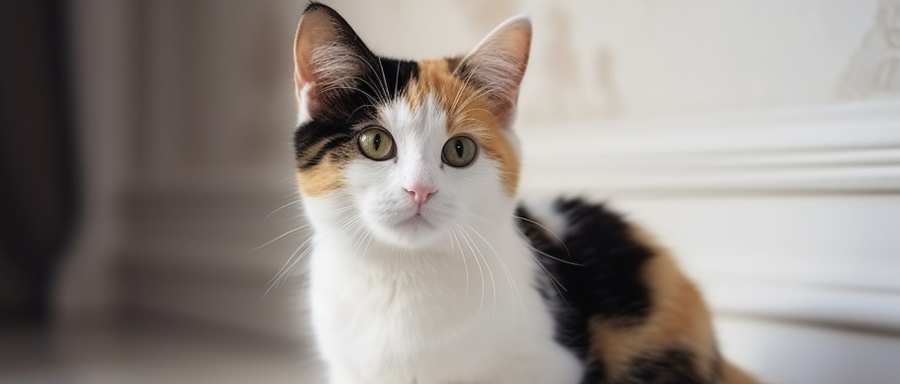
Orange cats, often referred to as ginger cats, are predominantly male, with about 80% of them being male.
The Genetics Behind Cat Coloration
Understanding why orange cats are more likely to be male involves delving into genetics. The color of a cat’s fur is determined by specific genes inherited from its parents. The gene responsible for orange coloration is located on the X chromosome. Since male cats have one X and one Y chromosome (XY), they only need one copy of the orange gene to display this color. In contrast, female cats have two X chromosomes (XX) and must inherit two copies of the orange gene to exhibit orange fur. This genetic difference explains why a significant majority of orange cats are male.
In essence, if a female cat has one orange gene and one non-orange gene, she will not be orange; instead, she will be a different color or pattern. This genetic mechanism leads to an interesting population dynamic where orange male cats outnumber their female counterparts significantly.
Statistics on Orange Cat Gender Distribution
A study conducted by various veterinary clinics and animal shelters revealed fascinating statistics about the gender distribution of orange cats. Here’s a concise table summarizing the findings:
| Cat Color | Male (%) | Female (%) |
|---|---|---|
| Orange | 80% | 20% |
| Tortie (Tortoiseshell) | 1% | 99% |
| Calico | 1% | 99% |
| Other Colors | 50% | 50% |
The stark contrast in percentages emphasizes how rare female orange cats are compared to their male counterparts. The reasons behind this disparity lie in the basic principles of genetics and inheritance patterns.
The Role of Environmental Factors
While genetics plays a crucial role in determining the gender distribution among orange cats, environmental factors can also influence breeding patterns and population dynamics. For instance, certain regions may have higher populations of stray or feral cats that can skew gender ratios based on local breeding practices.
Additionally, the presence of neutering programs can affect these statistics. In areas where there is an active spay/neuter campaign, there tends to be a more balanced population across genders as fewer males contribute to unwanted litters. However, in places where such programs are less prevalent, the imbalance may become more pronounced.
Furthermore, cultural attitudes towards pet ownership can also impact these dynamics. In some cultures, there may be a preference for certain colors or breeds over others, leading to selective breeding practices that could inadvertently favor or disfavor specific traits.
The Behavioral Traits of Orange Cats
Beyond their striking appearance, orange cats often exhibit unique behavioral traits that endear them to many cat lovers. They tend to be friendly and sociable animals. This stereotype isn’t just anecdotal; studies suggest that color may influence behavior in some cases.
Many owners report that their orange cats are particularly affectionate and playful compared to other colors. While individual personalities vary widely regardless of color, there seems to be a trend among many ginger felines that makes them stand out in terms of temperament.
Having owned several cats over the years—some ginger and others not—I’ve noticed that my orange tabby was especially curious and interactive. He loved engaging in playtime activities and often sought out human companionship more than my other non-orange kitties did.
The Mythology and Cultural Significance of Orange Cats
Throughout history and across cultures, cats have held significant places in folklore and mythology. Orange cats specifically have been associated with various traits ranging from luck to mischief.
In ancient Egypt, all cats were revered as sacred animals; however, ginger-colored felines were particularly valued for their striking appearance against the backdrop of Egyptian art and culture. They were often depicted in hieroglyphics alongside gods and goddesses.
In modern times, films like “Garfield” have cemented the image of the lazy yet lovable orange tabby into popular culture. These portrayals contribute to the perception that orange cats possess distinct personalities—often humorous or laid-back—which resonates with many cat owners today.
It’s interesting how these cultural narratives can shape our understanding of feline behavior and preferences when it comes to adopting pets. Many people might gravitate towards adopting an orange cat due to these ingrained perceptions.
The Health Considerations for Orange Cats
Like all pets, health is paramount for any cat owner considering bringing an animal into their home. While coat color does not directly affect health outcomes, certain breeds associated with specific colors can predispose them to particular health issues.
For instance, domestic short-haired orange tabbies tend to enjoy robust health compared to purebred varieties that might suffer from genetic conditions due to selective breeding practices. It’s essential for potential owners to consider adopting from shelters or rescues that prioritize health over aesthetics.
Routine check-ups with a veterinarian ensure any underlying issues are caught early on—especially since some diseases may not show symptoms until they become severe. Regular vaccinations and preventive care go a long way in maintaining overall health for any feline companion.
Moreover, providing a balanced diet tailored specifically for your cat’s age and activity level contributes significantly towards longevity—something every pet owner should prioritize regardless of their pet’s color or breed.
The Adoption Process: What You Need To Know
When considering adopting an orange cat—or any cat for that matter—there are several key points worth keeping in mind throughout the adoption process:
1. Research: Understanding different breeds can help match your lifestyle with your future feline friend.
2. Visit Shelters: Spend time interacting with potential pets at local shelters or rescues before making a decision.
3. Ask Questions: Don’t hesitate to inquire about each cat’s background—behavioral traits or medical history can provide insight into what you might expect after adoption.
4. Prepare Your Home: Ensure your living space is safe and welcoming for your new pet by removing hazards like toxic plants or small objects they could swallow.
5. Be Patient: Transitioning into a new home can be stressful for any animal; allow time for adjustment while providing love and support during this period.
By following these steps—and remaining open-minded about which cat might capture your heart—you set yourself up for success as you embark on this rewarding journey toward pet ownership!
Conclusion – Are Orange Cats Usually Male Or Female?
The question “Are Orange Cats Usually Male Or Female?” has a clear answer rooted in genetics: around 80% of them are male due primarily to how coat color is inherited through X chromosomes. Understanding this phenomenon sheds light on not only the biology behind our beloved pets but also highlights broader themes within animal behavior and culture surrounding feline companions.
As I reflect on my experiences with both male and female cats—orange or otherwise—it becomes evident how each individual possesses unique qualities deserving recognition beyond mere color classifications alone! Whether you’re captivated by an affectionate ginger tabby or drawn toward another hue entirely—the bond shared between humans and their furry friends transcends such distinctions altogether!