
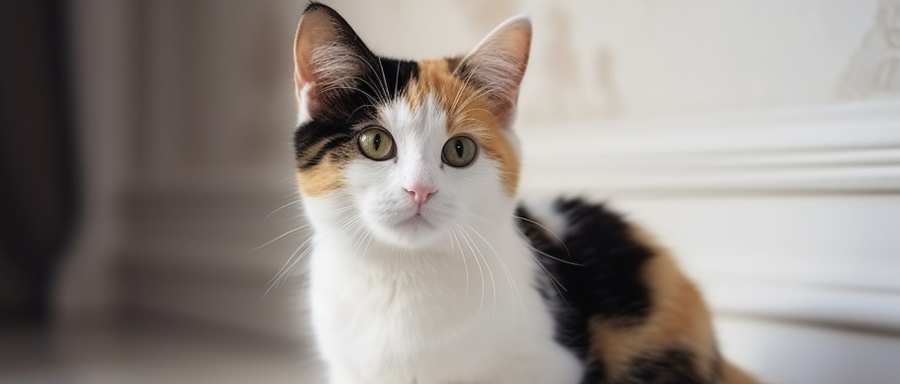
Persimmons are not safe for cats; they can cause digestive issues and other health problems.
The Nature of Persimmons
Persimmons are a sweet and delicious fruit that many people enjoy. They belong to the genus Diospyros and are primarily grown in East Asia, particularly in countries like Japan and Korea. There are two main types of persimmons: astringent and non-astringent. Astringent persimmons, such as the Hachiya variety, need to be fully ripe before eating; otherwise, they can be extremely bitter. Non-astringent varieties, like the Fuyu, can be consumed while still firm.
These fruits are rich in vitamins A and C, fiber, and various antioxidants. While they may offer numerous health benefits for humans, the same cannot be said for our feline friends. Cats are obligate carnivores, meaning their diet primarily consists of meat. Their digestive systems aren’t equipped to handle fruits and vegetables effectively.
Understanding Feline Digestion
Cats have unique digestive systems tailored for high-protein diets. Unlike humans, who can digest a wide range of foods, cats lack certain enzymes necessary for breaking down plant materials. This difference is crucial when considering whether certain foods are safe for them.
When cats consume food that doesn’t align with their dietary needs, it can lead to various issues. These include gastrointestinal upset, which may manifest as vomiting or diarrhea. Since persimmons contain sugars and fibers that cats can’t digest well, feeding them this fruit could result in discomfort.
Potential Risks of Feeding Persimmons to Cats
Feeding persimmons to cats comes with several potential risks:
1. Gastrointestinal Distress: The primary concern is digestive upset. Cats may experience vomiting or diarrhea after consuming persimmons due to their inability to break down the sugars and fibers present in the fruit.
2. Obstruction: The seeds found inside persimmons can pose a choking hazard or lead to intestinal blockages if ingested whole. Given that cats often play with their food before eating it, there’s a chance they might swallow seeds inadvertently.
3. Toxicity: While persimmons aren’t classified as toxic to cats like some other fruits (e.g., grapes or raisins), they still contain compounds that could be harmful in larger quantities. For instance, the leaves and unripe fruit contain tannins that may lead to additional health issues.
4. Allergic Reactions: Some cats may have food sensitivities or allergies that could trigger adverse reactions when exposed to new foods like persimmons.
What Should Cats Eat Instead?
Since persimmons aren’t safe for feline diets, it’s essential to focus on what is appropriate for them instead. A balanced diet primarily consists of high-quality cat food rich in meat-based proteins. Here’s a quick look at what makes up a healthy feline diet:
- High-Quality Protein: Look for cat food with real meat listed as the first ingredient.
- Healthy Fats: Essential fatty acids support skin health and overall well-being.
- Limited Carbohydrates: Cats don’t require carbs; thus, their food should have minimal grain or filler content.
- Water: Hydration is crucial; always ensure fresh water is available.
While some cat owners enjoy sharing small amounts of fruits or vegetables with their pets as treats, it’s vital to choose options known to be safe for felines.
Safe Fruits for Cats
If there’s an urge to share a fruity snack with a cat companion, consider these safer alternatives:
- Blueberries: Packed with antioxidants and low in calories.
- Cantaloupe: Many cats enjoy this melon; it’s hydrating and contains vitamins.
- Pumpkin: Plain canned pumpkin (not pie filling) is great for digestion.
It’s always best to introduce any new food slowly and monitor for any adverse reactions.
Signs Your Cat May Be Unwell
If a cat accidentally consumes persimmons or any other unsuitable food, being aware of potential signs of distress is important:
- Vomiting: A common sign of gastrointestinal upset.
- Diarrhea: Loose stools can indicate digestive issues.
- Lethargy: A noticeable drop in energy levels might suggest something’s wrong.
- Loss of Appetite: If a cat refuses food after eating something inappropriate, it could signal discomfort.
If any of these symptoms arise after consumption of persimmons or other questionable foods, consulting a veterinarian promptly is essential.
Conclusion – Are Persimmons Safe For Cats?
Are persimmons safe for cats? The answer is no; these fruits can cause digestive problems and pose other health risks if ingested by felines. While sharing human foods can feel rewarding as pet owners look for ways to bond with their furry friends over snacks, it’s crucial always to prioritize safety by sticking to foods specifically designed for cats or known to be safe alternatives.
Cats thrive on diets rich in animal protein while avoiding unnecessary risks associated with unfamiliar human foods like persimmons. Understanding feline dietary needs ensures pets remain healthy and happy while enjoying life alongside their humans!