
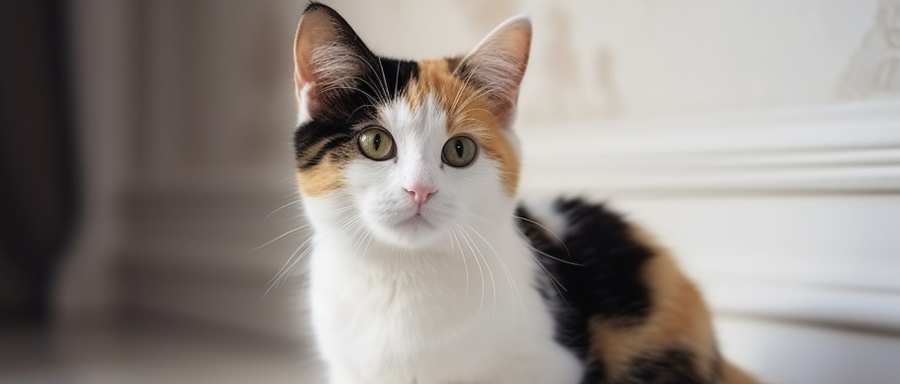
Yes, peas are safe for cats in moderation and can offer some nutritional benefits.
Cats are fascinating creatures, and their dietary needs often spark curiosity among pet owners. As a cat parent, understanding what foods are safe and beneficial for feline companions is crucial. One question that frequently arises is, “Are peas okay for cats?” This article dives deep into the world of feline nutrition, particularly focusing on the place of peas in a cat’s diet.
The Nutritional Profile of Peas
Peas are small but mighty legumes packed with nutrients. They contain a variety of vitamins and minerals that can be beneficial not just for humans but also for our furry friends. Peas are rich in protein, fiber, vitamins A, C, K, and several B vitamins. Additionally, they provide essential minerals like iron, magnesium, phosphorus, and potassium.
The protein content in peas makes them an attractive addition to a cat’s diet. While cats are obligate carnivores—meaning their primary source of nutrition should come from meat—peas can serve as a supplementary source of protein. The fiber found in peas can aid digestion and promote a healthy gut.
Here’s a quick look at the nutritional breakdown of 100 grams of cooked green peas:
| Nutrient | Amount per 100g |
|---|---|
| Calories | 81 |
| Protein | 5.4 g |
| Carbohydrates | 14.5 g |
| Fiber | 5.7 g |
| Fat | 0.4 g |
| Vitamin A | 38 IU |
| Vitamin C | 40 mg |
| Iron | 1.5 mg |
These numbers highlight that peas offer a range of nutrients that can complement a cat’s diet when served appropriately.
The Benefits of Feeding Peas to Cats
Including peas in your cat’s diet can provide several benefits:
Nutritional Variety
Cats thrive on diversity in their diets. Adding vegetables like peas can introduce new flavors and textures that may be appealing to some cats. This variety can also make mealtime more exciting for picky eaters.
Dietary Fiber for Digestion
Fiber plays an essential role in maintaining digestive health. It helps regulate bowel movements and can prevent constipation—a common issue among cats. The fiber content in peas aids digestion by promoting healthy gut bacteria.
A Source of Antioxidants
Peas contain antioxidants that help combat oxidative stress within the body. Antioxidants play a vital role in protecting cells from damage caused by free radicals. This protection is crucial for maintaining overall health and longevity.
Aiding Weight Management
For overweight cats or those prone to obesity, incorporating low-calorie vegetables like peas into their diet can help manage weight effectively. The high fiber content creates a feeling of fullness without adding excessive calories.
Cautions When Feeding Peas to Cats
While there are numerous benefits to including peas in your cat’s diet, moderation is key. Not all cats will react positively to new foods right away.
Potential Allergies or Sensitivities
Some cats may have allergies or sensitivities to certain foods, including legumes like peas. It’s essential to monitor your cat for any adverse reactions when introducing new foods into their diet.
Signs of food allergies may include:
- Vomiting
- Diarrhea
- Skin irritations
If any of these symptoms occur after feeding your cat peas, it’s best to discontinue offering them and consult with a veterinarian.
Avoiding Overfeeding Peas
While peas are nutritious, they should never replace meat as the primary source of nutrition for cats. A general rule is that treats or supplementary foods should make up no more than 10% of your cat’s daily caloric intake.
Overfeeding vegetables can lead to digestive upset or nutritional imbalances if they displace more essential nutrients from animal-based proteins.
How to Prepare Peas for Cats?
If considering adding peas to a cat’s meal plan, preparation matters significantly. Here’s how to do it right:
Select Fresh or Frozen Peas
Fresh or frozen peas without added salt or seasonings are the best options for cats. Canned peas often contain preservatives or sodium that aren’t suitable for feline consumption.
Cooking Method Matters
Cooking helps soften the texture of the peas and makes them easier for cats to digest. Steaming or boiling is ideal; however, avoid adding any spices or oils during cooking since these can upset a cat’s stomach.
Mashing or Pureeing Peas
Some cats might prefer mashed or pureed peas rather than whole ones due to their texture preferences. Mashing makes it easier for them to consume while still providing all the nutritional benefits.
The Right Serving Size for Cats
Determining how many peas to offer depends on the individual cat’s dietary needs and preferences:
- Start small: Introduce just one or two cooked peas.
- Monitor: Observe how your cat reacts over the next few days.
- Gradually increase: If no adverse reactions occur, gradually increase serving sizes while ensuring it remains an occasional treat rather than a staple food item.
A few pieces mixed into regular meals could be sufficient; moderation is critical here!
A Balanced Diet: The Role of Protein in Cat Nutrition
Cats require specific nutrients primarily sourced from animal products due to their unique physiology as obligate carnivores:
- Taurine: An essential amino acid found only in animal tissues.
- Arachidonic Acid: An omega-6 fatty acid crucial for skin health and reproduction.
- Vitamin A: While humans convert beta-carotene from plants into vitamin A, cats cannot do this efficiently; they need preformed vitamin A from animal sources.
Peas cannot fulfill these requirements alone; hence they should complement rather than replace meat-based proteins in their diets.
The Importance of Consulting Your Veterinarian Before Dietary Changes
Before making any significant changes to your cat’s diet—especially if considering incorporating new foods like peas—consulting with a veterinarian is always wise:
- They understand your pet’s health history.
- They can provide tailored advice based on specific dietary needs.
- They help identify any potential allergens specific to your furry friend’s individual circumstances.
The vet’s guidance ensures that dietary adjustments promote overall health without risking adverse effects.
Conclusion – Are Peas Okay For Cats?
In summary, the answer is yes; “Are Peas Okay For Cats?” They can be safely included as an occasional treat when prepared correctly and fed in moderation alongside a balanced diet rich in animal proteins. Their nutritional benefits—from added fiber aiding digestion to providing vitamins—make them an appealing option worth considering as part of feline nutrition strategies!
Ensuring overall health involves striking the right balance between various food groups while keeping an eye on individual responses after introducing something new into meals!