
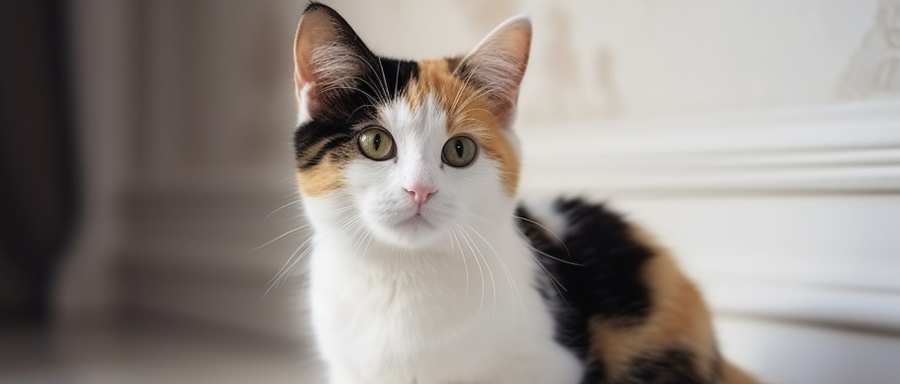
Palm fronds are not considered poisonous to cats, but ingestion can cause mild gastrointestinal upset.
Understanding Palm Fronds and Cats
Palm trees are a common sight in many households, especially in warmer climates. Their long, sweeping fronds add a tropical flair to gardens and living spaces. However, pet owners often wonder about the safety of these plants, particularly when it comes to their feline friends. The question “Are Palm Fronds Poisonous To Cats?” arises frequently among cat owners who want to ensure their pets’ safety. While palm fronds themselves are not toxic, there are some considerations to keep in mind regarding their ingestion.
Cats are naturally curious creatures. They love to explore their surroundings, which often includes nibbling on plants. This behavior can lead to accidental ingestion of non-toxic plants like palm fronds. While palm fronds do not contain harmful substances, they can still cause some digestive issues if consumed in large quantities.
It’s essential for cat owners to understand the potential effects of ingesting palm fronds and how to manage their pets’ interactions with these plants. Being informed helps mitigate risks and ensures a safe environment for both cats and plants.
What Happens If a Cat Eats Palm Fronds?
When a cat consumes palm fronds, the most common issue is gastrointestinal upset. This can manifest as vomiting or diarrhea. The fibrous nature of palm leaves makes them difficult for cats to digest fully, which can lead to discomfort.
In most cases, the symptoms are mild and resolve on their own without the need for veterinary intervention. However, if a cat exhibits severe symptoms or shows signs of distress after eating palm fronds, it’s wise to consult a veterinarian. They can provide guidance based on the specific situation.
Here’s a brief overview of possible symptoms after ingestion:
| Symptom | Description |
|---|---|
| Vomiting | Expelling food or liquid from the stomach. |
| Diarrhea | Loose or watery stools that may occur frequently. |
| Lethargy | A noticeable decrease in energy or activity level. |
| Loss of Appetite | A decrease in interest in food or refusal to eat. |
Most cats will recover quickly from mild gastrointestinal upset caused by eating palm fronds. Monitoring their behavior and ensuring they stay hydrated is crucial during this time.
Identifying Safe Plants for Cats
While palm fronds are generally safe for cats, not all houseplants share this characteristic. Some common household plants are toxic and can pose serious health risks if ingested by cats. It’s essential for pet owners to familiarize themselves with both safe and toxic plants.
Here’s a list of some common houseplants categorized by safety:
Non-Toxic Plants for Cats
- Palm Trees (including Areca and Parlor Palms)
- Bamboo
- Spider Plant
- Boston Fern
- Ponytail Palm
Toxic Plants for Cats
- Lilies (all varieties)
- Sago Palm
- Aloe Vera
- Philodendron
- Dieffenbachia (Dumb Cane)
By selecting non-toxic plants like palms, pet owners can create an inviting environment that minimizes health risks while still enjoying greenery at home.
The Role of Fiber in Cats’ Diets
Cats are obligate carnivores, meaning their diet primarily consists of meat. However, they do benefit from fiber in certain situations. Fiber aids digestion and helps prevent hairballs—a common issue among cats due to grooming habits.
While palm fronds may not be an ideal source of fiber due to their indigestibility, they can offer some benefits when consumed occasionally in small amounts. Nonetheless, it’s vital not to rely on them as a primary source of dietary fiber.
Other sources of fiber that are safer and more beneficial include:
- Canned pumpkin (plain)
- Psyllium husk supplements (consult your vet first)
- Certain commercial cat foods formulated with added fiber
These alternatives provide better digestive support without the potential risks associated with plant ingestion.
Caring for Your Cat Around Houseplants
Keeping houseplants safe around cats involves several proactive steps. Understanding feline behavior is crucial here; they may be tempted to chew on leaves out of curiosity or boredom. Here are some strategies pet owners can implement:
Create Boundaries
Designating “cat-free zones” where plants are kept out of reach is a practical approach. High shelves or hanging planters can keep potentially dangerous plants away from inquisitive paws.
Provide Alternatives
Offering cat grass or catnip as alternatives encourages safe chewing behavior while keeping them away from houseplants that could cause issues.
Monitor Interactions
Observing how your cat interacts with household plants helps identify any problematic behaviors early on. If a particular plant seems too tempting, consider relocating it or removing it altogether.
Taking these steps ensures that both the plants and pets coexist harmoniously within the home environment.
The Importance of Veterinary Advice
If there’s ever uncertainty about what’s safe for cats regarding plant consumption, consulting with a veterinarian is always advisable. They have extensive knowledge about pet health and can provide tailored advice based on individual circumstances.
In case of accidental ingestion—especially concerning potentially toxic plants—it’s essential to seek veterinary assistance promptly. Quick action often leads to better outcomes when dealing with potential poisoning cases.
Veterinarians may recommend treatments such as inducing vomiting or administering activated charcoal depending on the situation’s severity.
Conclusion – Are Palm Fronds Poisonous To Cats?
The question “Are Palm Fronds Poisonous To Cats?” leads many pet owners into an exploration of plant safety concerning feline health. Fortunately, palm fronds are not toxic; however, they can cause mild digestive upset if ingested in large quantities.
Creating a safe living space involves understanding both safe and toxic plants while monitoring interactions between pets and greenery closely. By taking proactive measures—like providing alternative chewing options and consulting veterinarians when needed—cat owners can ensure their furry friends remain happy and healthy alongside beautiful houseplants like palms.
In summary, while palm fronds aren’t poisonous to cats, awareness about plant safety remains crucial for responsible pet ownership!