
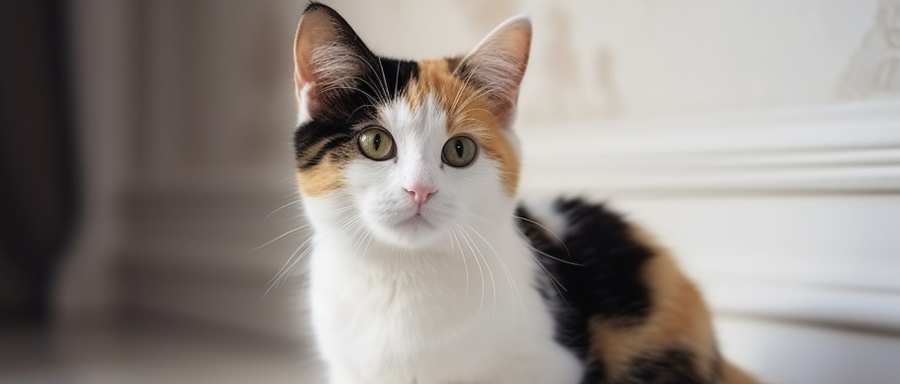
Pickles are not toxic to cats, but they can cause digestive upset due to high salt and vinegar content.
Cats are known for their curious nature. They often investigate everything around them, including the food we eat. One common food item that raises questions among cat owners is pickles. The question arises: Are pickles toxic to cats? While the answer may not be as straightforward as one would hope, understanding the ingredients and effects of pickles on feline health can provide clarity.
The Ingredients of Pickles
To assess whether pickles are safe for cats, one must first look at what pickles are made of. Typically, pickles consist of cucumbers that have been brined in a solution containing vinegar, salt, and various spices. Each of these ingredients plays a role in the flavor and preservation of the pickle but also raises concerns when it comes to our furry friends.
- Cucumbers: The base ingredient of pickles is cucumbers, which are generally safe for cats in small amounts. Cucumbers are low in calories and can provide some hydration.
- Vinegar: This acidic component is what gives pickles their tangy flavor. While vinegar is not toxic to cats, it can upset their stomachs if ingested in larger quantities.
- Salt: High sodium levels are perhaps the biggest concern. Cats do require some sodium in their diet, but excessive salt can lead to health issues, including dehydration and kidney problems.
- Spices: Many pickling recipes include spices such as garlic and onion. These ingredients can be harmful to cats and should be avoided entirely.
Understanding these components helps clarify why moderation is key when considering whether to share a bite of pickle with a beloved feline.
Potential Risks of Feeding Pickles to Cats
Even though pickles aren’t outright toxic, they come with potential risks that every cat owner should consider.
High Sodium Content
One of the primary concerns with feeding pickles to cats is their high sodium content. Most commercially available pickles contain significant amounts of salt for preservation purposes. A small amount of sodium is necessary for bodily functions; however, too much can lead to serious health issues like:
- Dehydration: Excessive salt can cause cats to become dehydrated very quickly.
- Kidney Damage: Over time, high sodium intake can result in kidney damage or exacerbate existing kidney disease.
- Hypertension: Just like humans, cats can develop high blood pressure from too much salt in their diet.
It’s crucial for cat owners to be aware of these risks before offering their pets any type of pickle.
Digestive Upset
Another significant risk associated with feeding pickles to cats is digestive upset. The combination of vinegar and spices can irritate a cat’s sensitive stomach:
- Vomiting: Ingesting even a small piece of pickle may lead some cats to vomit due to irritation.
- Diarrhea: Similarly, diarrhea may occur as a result of consuming acidic or spicy foods that they aren’t accustomed to digesting.
Cats have unique dietary needs that differ greatly from those of humans; what might be delicious for us could be problematic for them.
Signs Your Cat May Be Unwell After Eating Pickles
If you suspect your cat has ingested pickles or any other questionable food item, it’s essential to monitor them closely for signs of distress:
- Lethargy: A sudden lack of energy or interest in usual activities could indicate discomfort.
- Loss of Appetite: If your cat refuses food after consuming something unusual, it may be experiencing digestive issues.
- Vomiting or Diarrhea: These symptoms can appear relatively quickly after ingestion and signal that your cat’s stomach isn’t handling the food well.
If any concerning symptoms arise after your cat has eaten pickles or any other unfamiliar food item, it’s best to consult with a veterinarian promptly.
Alternatives to Pickles
For those who want to treat their feline friends without risking their health with pickles, there are plenty of safe alternatives available:
Fresh Vegetables
Some cats enjoy fresh veggies like:
- Carrots: Cooked carrots (without seasoning) can provide fiber and vitamins.
- Green Beans: These are low-calorie treats that many cats find appealing.
Always introduce new foods gradually and watch for any adverse reactions.
Commercial Cat Treats
Pet stores offer an array of treats designed specifically for feline consumption. These treats often contain essential nutrients tailored for a cat’s dietary needs without the risks associated with human foods.
Canned Pumpkin
Plain canned pumpkin (not the spiced pie filling) is another excellent option. It’s rich in fiber and beneficial for digestion while being safe for cats when given in moderation.
The Importance of Moderation
If a cat owner decides to let their pet taste a small piece of pickle occasionally, moderation is crucial. A tiny bite here and there likely won’t result in severe consequences; however, regular consumption should be avoided due to the potential health risks outlined earlier.
It’s also important not only to consider what foods are safe but also how they fit into a balanced diet overall. Cats thrive on high-protein diets primarily composed of animal products rather than human snacks like pickles or other vegetables.
Conclusion – Are Pickles Toxic To Cats?
In summary, while it’s clear that are pickles toxic to cats?, they aren’t classified as toxic per se; however, they do pose certain risks due mainly to their high sodium content and potential digestive issues caused by vinegar and spices. Ensuring that our pets consume appropriate foods tailored specifically for them remains paramount. Keeping an eye out for symptoms if they ingest something questionable—like a pickle—can help maintain their well-being. Always prioritize safety by choosing treats designed explicitly for feline companions instead!