
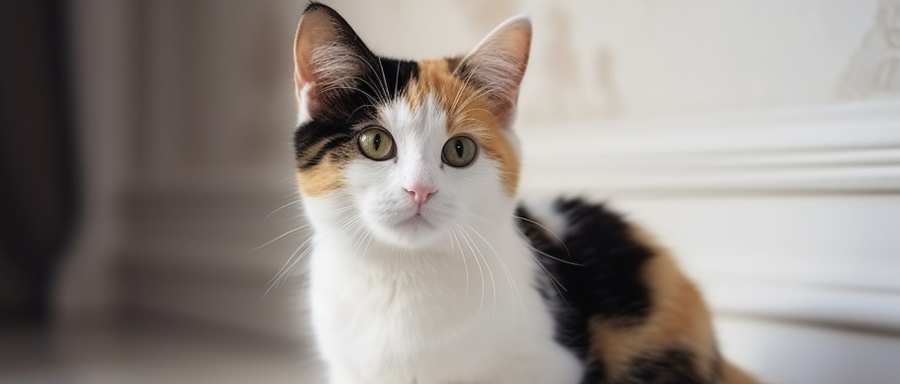
Peony flowers are not poisonous to cats, but they can cause mild gastrointestinal upset if ingested.
The Allure of Peony Flowers
Peony flowers are often celebrated for their stunning beauty and delightful fragrance. These perennial plants bloom in a variety of colors, including shades of pink, white, and red. Their lush, full blooms make them a popular choice for gardens and floral arrangements alike. However, for pet owners who have cats roaming around their homes or gardens, concerns about the safety of these flowers can arise. Understanding whether peonies pose any risks to feline companions is essential for peace of mind.
Peonies belong to the genus Paeonia and are native to Europe, North America, and Asia. They thrive in temperate climates and can often be found in home gardens or as cut flowers in bouquets. The vibrant petals and lush foliage make them a favorite among gardeners and florists. However, while they may look beautiful, the question remains: Are Peony Flowers Poisonous To Cats?
Understanding Plant Toxicity
Plant toxicity varies widely among species. Some plants contain compounds that can be harmful or even fatal to pets if ingested. Others may cause mild reactions or no adverse effects at all. In the case of peonies, it’s crucial to determine how they affect cats specifically.
The ASPCA (American Society for the Prevention of Cruelty to Animals) provides a comprehensive list detailing which plants are toxic or non-toxic to pets. According to their database, peonies fall into the non-toxic category for cats. This means that while a cat might nibble on a peony leaf or flower petal without suffering severe consequences, it doesn’t mean that ingesting them is entirely safe.
Common Symptoms of Plant Ingestion in Cats
If a cat does consume parts of a peony plant, it might experience some mild gastrointestinal symptoms such as:
- Vomiting
- Diarrhea
- Loss of appetite
- Abdominal discomfort
These symptoms can be concerning but are generally not life-threatening. However, if a cat displays any unusual behavior after consuming peonies or any other plant material, it’s always wise to consult with a veterinarian.
The Chemical Composition of Peonies
Peonies contain various compounds that contribute to their lovely appearance and scent. The primary components include flavonoids and alkaloids; however, these compounds are not known to be toxic to cats. Instead, they may induce mild gastrointestinal distress if consumed in large quantities.
While humans may enjoy the beauty and fragrance of peonies without concern, cats have different digestive systems that can react differently to various substances. It’s essential for pet owners to be aware that even non-toxic plants can still cause discomfort when ingested.
A Closer Look at Peony Varieties
There are several types of peonies commonly grown in gardens:
| Peony Type | Description | Bloom Time |
|---|---|---|
| Herbaceous Peonies | These die back each winter but produce lush blooms every spring. | Late spring to early summer |
| Tree Peonies | Woody shrubs that produce large blossoms; they do not die back. | Mid-spring |
| Intersectional Peonies (Itoh) | Cros between herbaceous and tree peonies; sturdy and colorful. | Late spring to early summer |
| Paeonia lactiflora (Chinese Peony) | The most common garden variety with fragrant flowers. | Late spring to early summer |
| Paeonia suffruticosa (Tree Peony) | Larger blooms with unique colors; more expensive due to cultivation time. | Mid-spring |
Each variety offers its own unique beauty and charm but poses similar risks regarding ingestion by cats.
Caring for Cats Around Peonies
Even though peonies are classified as non-toxic for cats, taking precautions is still important. Here are some tips on how to manage your garden space safely:
- Monitor Outdoor Access: If your cat enjoys spending time outdoors, keep an eye on them when they’re near your flower beds.
- Create Barriers: Consider using fencing or planting deterrents around your peony beds if your cat tends to sample plants.
- Educate Yourself: Familiarize yourself with other plants in your garden that may pose risks beyond just peonies.
- Avoid Overwatering: Ensure your garden is well-drained; standing water can attract insects that could irritate your cat.
- Pest Control: Use pet-safe pest control methods; some chemical treatments can harm pets if ingested.
- Cultivate Awareness: Be aware of any changes in your cat’s behavior or health after exposure to new plants.
- Cuddle Time: Spend quality time with your feline friend indoors where you know they’re safe from potential hazards outside.
Taking these steps helps create a safe environment for both the beautiful blooms and beloved pets.
The Importance of Veterinary Guidance
If there’s ever uncertainty regarding what’s safe for pets regarding plant life, consulting with a veterinarian is always wise. They can provide tailored advice based on specific circumstances like breed type or existing health conditions.
In cases where ingestion occurs—whether it’s peonies or any other plant—monitoring symptoms closely is important. If symptoms appear severe or persistent, seeking immediate veterinary attention is crucial.
The Bottom Line: Are Peony Flowers Poisonous To Cats?
In summary, while peony flowers aren’t classified as poisonous to cats according to reputable sources like the ASPCA, it’s still essential for pet owners to remain vigilant about what their furry friends might nibble on during outdoor adventures.
Cats may experience mild stomach upset if they eat too many leaves or petals from these lovely blooms; however, serious health issues are unlikely unless large quantities are consumed over time.
Being informed about plant safety helps ensure both beautiful gardens filled with colorful blossoms and happy feline companions who roam freely without worry!
In conclusion—Are Peony Flowers Poisonous To Cats? No! But moderation is key! Always watchful eyes combined with knowledge about safe gardening practices go hand-in-hand when caring for both plants and pets alike!