
Georgia’s humid summers and mild winters create a unique feeding environment where seed freshness and mold resistance matter as much as the ingredient list. A bag that works perfectly in a dry Arizona climate can turn into a clumpy, spoiled mess in a Georgia feeder within a week.
I’m Mo Mahin — the founder and writer behind Furric. I study market trends, cross-reference USDA climate zone data with regional bird migration patterns, and analyze thousands of owner reviews to separate the seed blends that thrive in Georgia’s specific conditions from those that waste your money.
After researching the most reliable options, I’ve narrowed the field to the five blends that consistently attract Georgia’s native songbirds while resisting humidity-related spoilage. This guide breaks down everything you need in a bird seed for georgia to keep your feeder full and your yard lively.
How To Choose The Best Bird Seed For Georgia
Georgia bird feeding isn’t the same as feeding in the Northeast or the dry West. High humidity, frequent rain, and a year-round bird population demand a seed blend that resists mold, contains high-energy ingredients, and doesn’t sprout under your feeder.
Oil Content Matters More Than Variety
Black oil sunflower seeds have the highest oil-to-shell ratio of any common bird seed, providing the calories Georgia’s birds need during both hot summers and occasional cold snaps. Look for blends where black oil sunflower is the first ingredient — this ensures your feeder attracts cardinals, chickadees, and finches rather than just sparrows.
Avoid High-Filler Blends in Humid Weather
Milo, red millet, and cracked corn are cheap fillers that many budget blends use to lower cost. In Georgia’s humidity, these seeds absorb moisture quickly, clump together, and can develop mold within days. A blend with minimal filler stays fresher longer and generates less waste under the feeder.
Regional Formulations Exist for a Reason
Some brands offer region-specific blends that account for the bird species common to the Southeastern United States. These formulas typically feature a higher ratio of sunflower seeds and safflower, which appeal to Georgia’s year-round residents while discouraging grackles and starlings.
No-Grow Seed Prevents Lawn Issues
If you feed over a lawn or landscaped area, a no-grow formulation prevents stray seeds from sprouting into unwanted weeds. This is particularly useful in Georgia’s warm climate, where spilled seed can germinate quickly and create maintenance headaches.
Quick Comparison
On smaller screens, swipe sideways to see the full table.
| Model | Category | Best For | Key Spec | Amazon |
|---|---|---|---|---|
| Kaytee Western Regional | Regional Blend | Attracting Western songbirds | 7 lb bag, tested at universities | Amazon |
| Happy Wings Black Oil Sunflower | Single Ingredient | High-energy, low-waste feeding | 5 lb, no-grow formula | Amazon |
| Audubon Park Extreme Variety | Premium Mix | Attracting maximum bird diversity | 15 lb, sunflower-heavy blend | Amazon |
| Cool Birds All Birds Blend | Multi-Ingredient | Year-round feeding | 10 lb, includes peanuts & hearts | Amazon |
| Meadow Ridge Farms Mix | Budget Blend | Attracting ground-feeding birds | 10 lb, includes cracked corn | Amazon |
In‑Depth Reviews
1. Kaytee Western Regional Wild Bird Seed, 7 lb

Kaytee’s Western Regional blend was independently field tested by university researchers and proven to attract more birds than standard black oil sunflower alone. The 7-pound bag is compact enough to test a region-specific formula without committing to a massive volume that might go stale before you use it.
Buyers consistently report an immediate increase in bird activity after switching to this blend, with cardinals, finches, chickadees, and woodpeckers appearing within days. The mix contains a higher proportion of seeds that appeal to Western species, which overlap significantly with Georgia’s year-round songbird population.
The bag size is modest compared to other options, so frequent refillers may need to reorder more often. But for anyone wanting a science-backed regional formula that delivers visible results, this is a strong starting point.
Why we love it
- University field-tested for regional effectiveness
- Attracts a wide variety of songbirds quickly
- Fresh quality with no filler complaints
Good to know
- 7-pound bag may require frequent reordering
- Labeled as Western blend, not Southeast-specific
2. Happy Wings Black Oil Sunflower Seeds – 5 lb
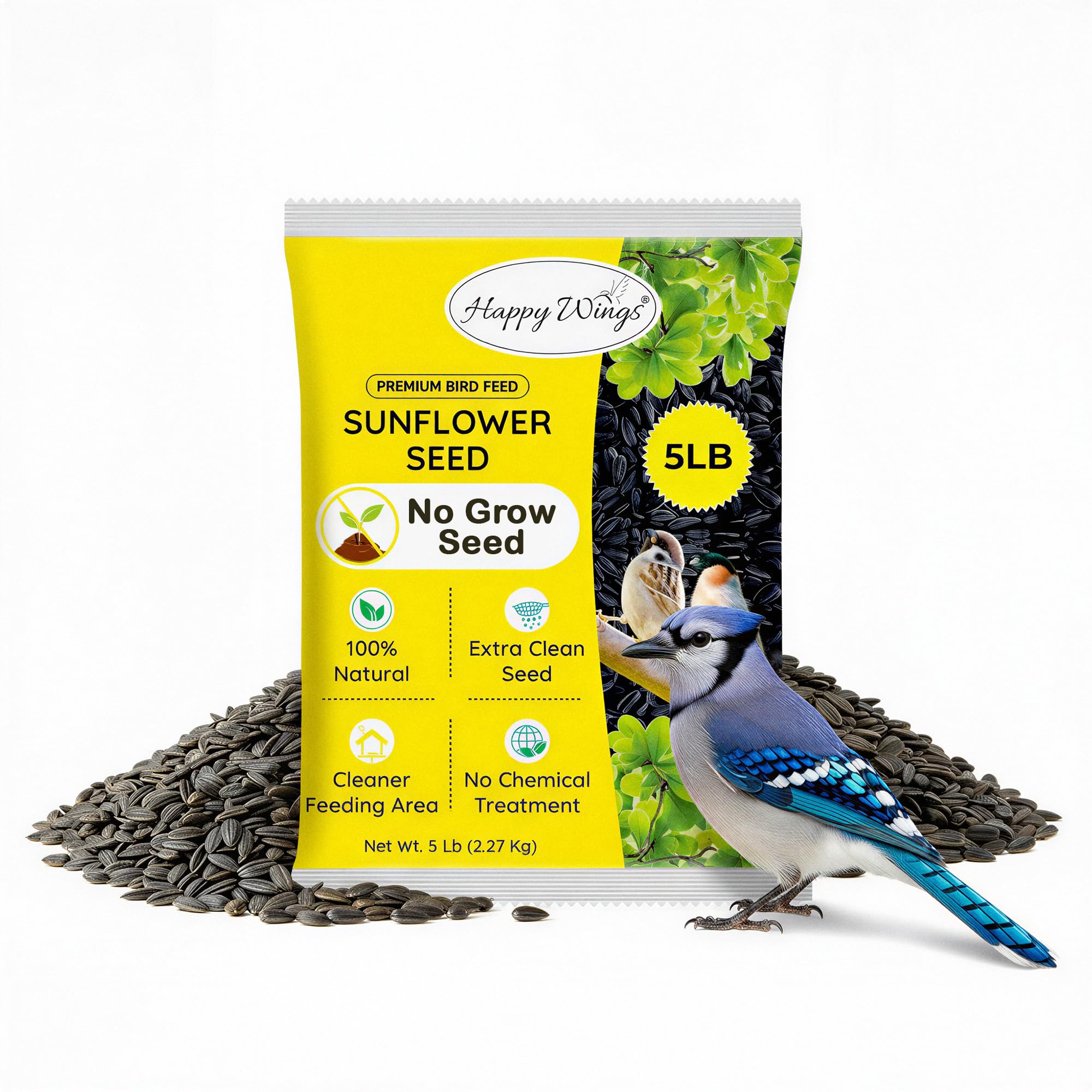
Happy Wings delivers a straight black oil sunflower seed formula with no filler seeds, no grow guarantee, and processing in USDA-approved facilities. The high oil content provides the concentrated energy Georgia’s birds need, especially during winter months when natural food sources are scarce.
The no-grow formulation is a practical advantage in Georgia’s warm, damp climate where spilled seeds can sprout quickly under feeders. Clean feeding means less mess on patios and lawns, and the single-ingredient approach eliminates the risk of birds picking through unwanted millet or cracked corn.
The 5-pound bag is a reasonable size for single-feeder setups, though heavy feeders may find themselves reordering more frequently. If you want the highest energy-per-bite with the lowest waste footprint, this is the cleanest option in the lineup.
Why we love it
- No-grow formula prevents unwanted sprouts
- Single ingredient means zero filler waste
- Produced in food-safety certified facilities
Good to know
- 5-pound bag is on the smaller side
- No variety for birds that prefer mixed seeds
3. Audubon Park Extreme Variety Wild Bird Seed, 15 lb
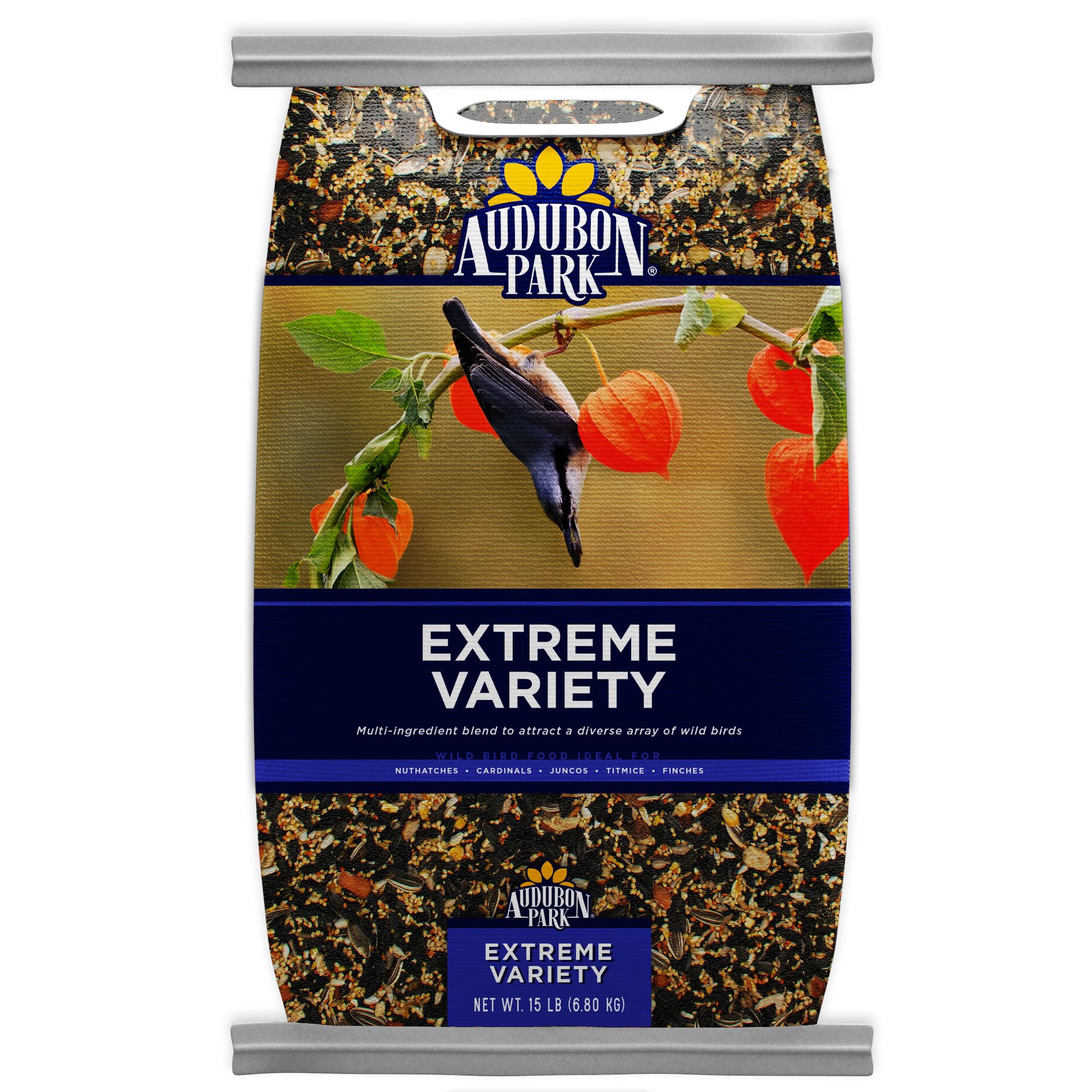
Audubon Park’s Extreme Variety blend stands out because it is sunflower-heavy rather than millet-heavy, which is exactly what Georgia’s most desirable songbirds prefer. The 15-pound bag includes black oil sunflower seeds, peanuts, sunflower chips, raisins, and striped sunflower seed, creating a diverse buffet that attracts nuthatches, cardinals, juncos, titmice, and finches.
Buyers consistently praise the low filler content, noting that the mix contains very little of the tiny, cheap seeds that birds ignore. In Georgia’s humid conditions, less filler means less mold risk and less waste accumulating under the feeder. The blend works well in tube, hopper, and platform feeders.
Some reviewers note that squirrels also love the nuts and raisins, so a squirrel-proof feeder may be a necessary companion. But for sheer bird diversity and ingredient quality at this volume, the Extreme Variety blend offers the best overall value for Georgia feeders.
Why we love it
- Sunflower-heavy composition with minimal filler
- Includes premium ingredients like peanuts and raisins
- Large 15-pound bag reduces reorder frequency
Good to know
- Nuts and raisins attract squirrels
- May contain trace allergens per labeling
4. Cool Birds All Birds Wild Bird Seed – 10 lb
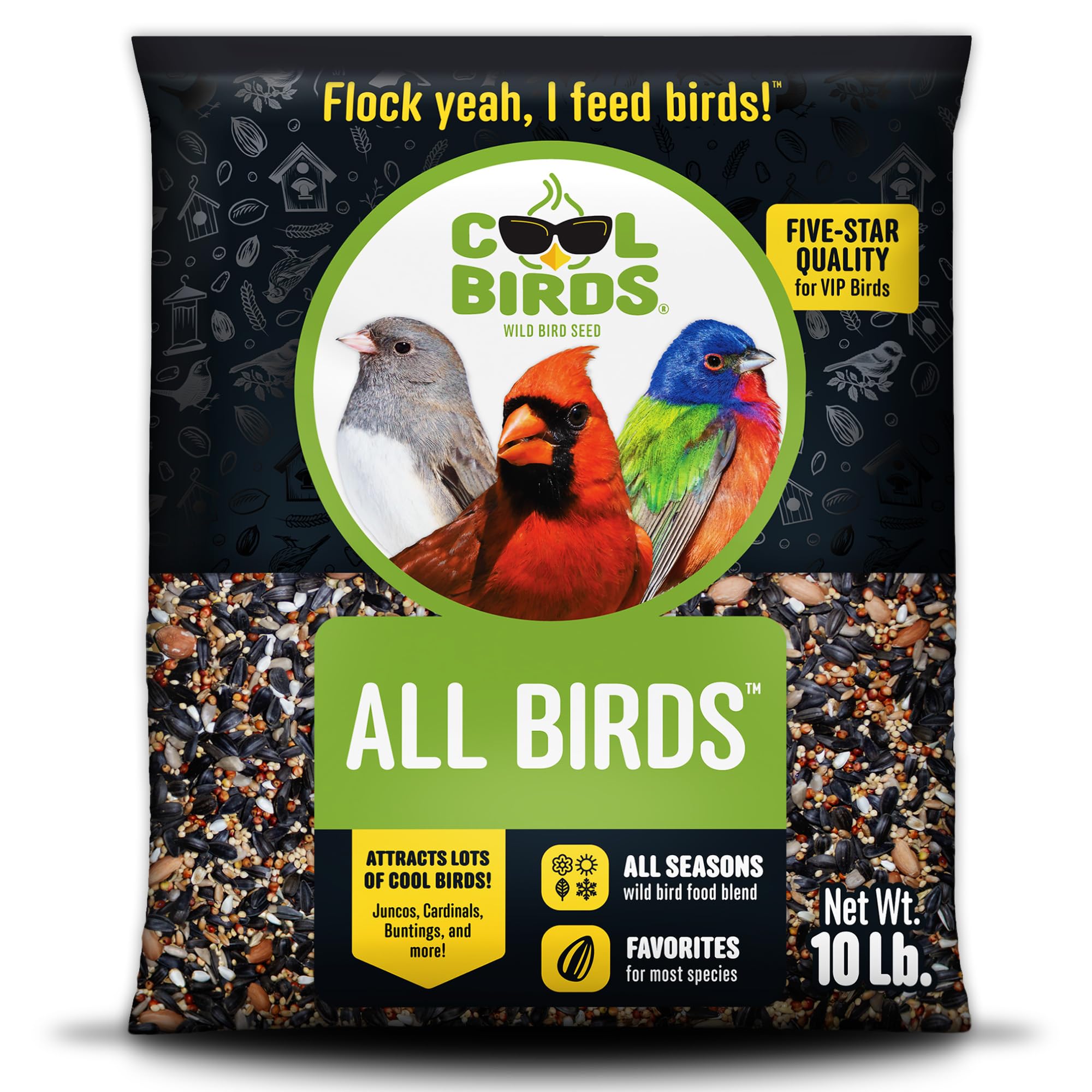
Cool Birds formulated this blend with black oil sunflower, white millet, safflower, peanuts, and sunflower hearts, creating a balanced protein-and-energy profile that supports year-round feeding. The inclusion of safflower is a smart addition for Georgia feeders because safflower is less attractive to squirrels and grackles while remaining a favorite of cardinals and chickadees.
The 10-pound bag is designed for versatility across feeder types, working in tray, tube, hopper, platform, and smart camera feeders without clogging or excessive waste. The blend appeals to both perching birds and ground feeders like doves, jays, and sparrows, ensuring your entire yard sees activity.
Some buyers may find that the white millet content, while moderate, still creates some ground waste. However, the overall ingredient quality and absence of artificial colors make this a clean, responsible choice for Georgia’s year-round bird population.
Why we love it
- Safflower content deters squirrels and grackles
- Suitable for all common feeder types
- Protein-packed for year-round energy needs
Good to know
- Millet still creates some ground waste
- 10-pound bag may not last heavy feeders long
5. Meadow Ridge Farms Wild Bird Seed Mix, 10 lb
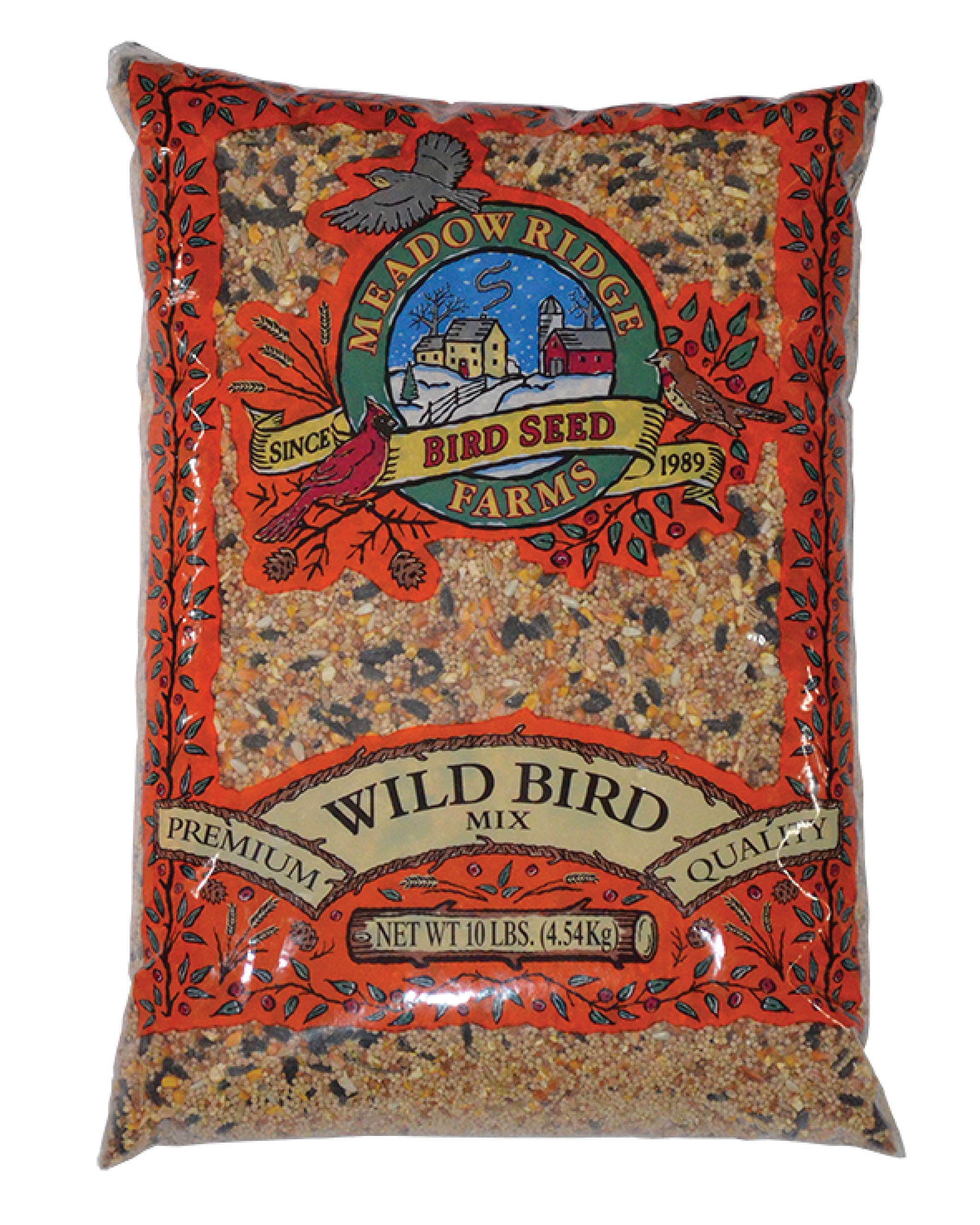
Meadow Ridge Farms offers a straightforward mix of sunflower, cracked corn, safflower, wheat, oats, and millet that attracts a wide range of Georgia species including house sparrows, chickadees, finches, juncos, goldfinches, buntings, and doves. The blend is blended and bagged daily in Delano, Minnesota, ensuring freshness at the point of packaging.
The inclusion of cracked corn and oats makes this a strong option for ground-feeding birds and larger species, though it also means more filler material that may not appeal to every bird. In Georgia’s humidity, the cracked corn component can absorb moisture faster than pure sunflower, so storing this bag in a sealed container is important.
Buyers on a tighter budget will appreciate the 10-pound volume at an accessible price point, though the higher filler ratio means some seed will go uneaten. For a budget-friendly option that still delivers solid bird variety, this mix fills the role without emptying your wallet.
Why we love it
- Attracts a broad range of Georgia songbirds
- Daily blending ensures freshness
- Budget-friendly 10-pound volume
Good to know
- Higher filler content may create more waste
- Cracked corn absorbs humidity quickly
FAQ
Should I use a regional blend formulated for the Southeast?
Why does my bird seed get moldy so fast in Georgia?
What seed attracts cardinals in Georgia?
Final Thoughts: The Verdict
For most Georgia birders, the bird seed for georgia winner is the Audubon Park Extreme Variety because it offers a sunflower-heavy, low-filler formula that resists humidity spoilage while attracting cardinals, finches, and chickadees in abundance. If you want a no-grow, single-ingredient solution that eliminates ground mess, grab the Happy Wings Black Oil Sunflower. And for a budget-friendly option that still draws a wide variety of species, nothing beats the Meadow Ridge Farms Mix.