
A canine liver diagnosis reshapes every decision at the food bowl. The wrong protein load, copper level, or toxin burden forces a compromised organ to work harder, accelerating damage rather than slowing it. Selecting the right nutritional foundation is the single most impactful intervention you can make for a dog facing hepatic challenges.
I’m Mo Mahin — the founder and writer behind Furric. I spend my time studying veterinary nutritional data, cross-referencing ingredient profiles against hepatic function markers, and analyzing aggregated owner feedback on therapeutic diets to separate marketing claims from clinically meaningful formulations.
After reviewing the latest veterinary diet formulations and liver-support supplements, I have curated the most effective options available today. This guide walks you through the top contenders for the best dog food for liver issues, breaking down which ingredients matter and why each product earns its place on this list.
How To Choose The Best Dog Food For Liver Issues
Selecting a diet for hepatic support is not the same as picking a high-protein grain-free formula. The liver metabolizes protein, filters toxins, and processes dietary copper—so every ingredient choice either eases or adds to the organ’s burden. Here are the critical factors to weigh.
Controlled, Highly Digestible Protein
The liver breaks down protein into urea for excretion. When liver function is impaired, protein metabolism generates toxic byproducts like ammonia if the protein source is poor quality or excessive in quantity. Look for formulas with moderately restricted protein levels (14%–18% on a dry matter basis) sourced from highly digestible animal or vegetable proteins. Egg, chicken meal, and soy protein isolate are common digestible choices. The goal is to meet essential amino acid requirements without flooding the liver with excess nitrogenous waste.
Low Copper Content
Copper accumulates in the liver over time, and many breeds—Bedlington Terriers, Labrador Retrievers, Doberman Pinschers—have a genetic predisposition to copper storage disease. Therapeutic hepatic diets deliberately restrict copper to a maximum of around 5 mg per 1,000 kcal (compared to 15–20 mg in standard maintenance diets). If your dog has diagnosed copper-associated hepatitis, a low copper diet is non-negotiable, not optional.
Supplement-Based Hepatic Support
Beyond prescription kibble, standalone supplements can bolster hepatic function. SAM-e (S-adenosylmethionine) supports cell membrane integrity and glutathione production, the liver’s primary antioxidant. Milk thistle (silymarin) has demonstrated hepatoprotective effects by blocking toxin binding at the cell membrane. Artichoke extract stimulates bile flow, aiding fat digestion and toxin elimination. These are often dosed independently or are built into certain supplement blends.
Quick Comparison
On smaller screens, swipe sideways to see the full table.
| Model | Category | Best For | Key Spec | Amazon |
|---|---|---|---|---|
| Hill’s Prescription Diet l/d Liver Care | Veterinary Diet | Controlled protein & copper management | 17.6 lb bag, low copper, high-digest protein | Amazon |
| Royal Canin Veterinary Diet Hepatic | Veterinary Diet | Low copper & vegetable protein source | 26.4 lb bag, soy protein isolate base | Amazon |
| maxxipaws maxxiSAMe Powder | Supplement | Cognitive & liver function support | 5.3 oz powder, SAM-e + artichoke | Amazon |
| Rx Vitamins Hepato Support | Supplement | Milk thistle liver detox support | 90 capsules, milk thistle + B2 | Amazon |
| Same 100 Liver Support Chews | Supplement Chew | SAM-e in a palatable bacon chew | 60 chews, 3500mg per chew bag | Amazon |
In‑Depth Reviews
1. Hill’s Prescription Diet l/d Liver Care Dry Dog Food

Hill’s l/d is the clinical benchmark for hepatic management in dogs. This formula is built around a tightly controlled protein level—highly digestible chicken protein at roughly 14% crude protein (dry matter basis)—designed to reduce the ammonia load on a compromised liver. The copper content is deliberately minimized to approximately 4.5 mg per 1,000 kcal, well below the threshold that triggers accumulation in sensitive breeds. Veterinarians recommend l/d as the first-line dietary intervention for chronic hepatitis, copper storage disease, and hepatic microvascular dysplasia.
The kibble texture maintains decent palatability even for dogs with reduced appetite, a common symptom of liver dysfunction. The added antioxidant blend (vitamin E and beta-carotene) supports immune function, which is often depressed in hepatic patients. Owners will need a prescription from their veterinarian, which acts as a gatekeeper ensuring the diet is used for the correct clinical indication rather than as a general maintenance food.
One trade-off is the bag size: 17.6 pounds is relatively small, and the feeding cost per day runs higher than standard maintenance diets. For a 50-pound dog, you are looking at roughly three cups per day as a starting point, which means a single bag lasts about two to three weeks. The product is also available in a canned form for dogs with dental sensitivities or those needing additional hydration support.
Why we love it
- Clinically proven antioxidant blend supports hepatic immune function
- Low copper formulation meets veterinary standards for copper storage disease
- Controlled, highly digestible protein reduces liver workload significantly
Good to know
- Requires a veterinary prescription for purchase
- Smaller bag size leads to more frequent reordering
- Higher per-pound cost compared to standard maintenance kibble
2. Royal Canin Veterinary Diet Canine Hepatic Dry Dog Food
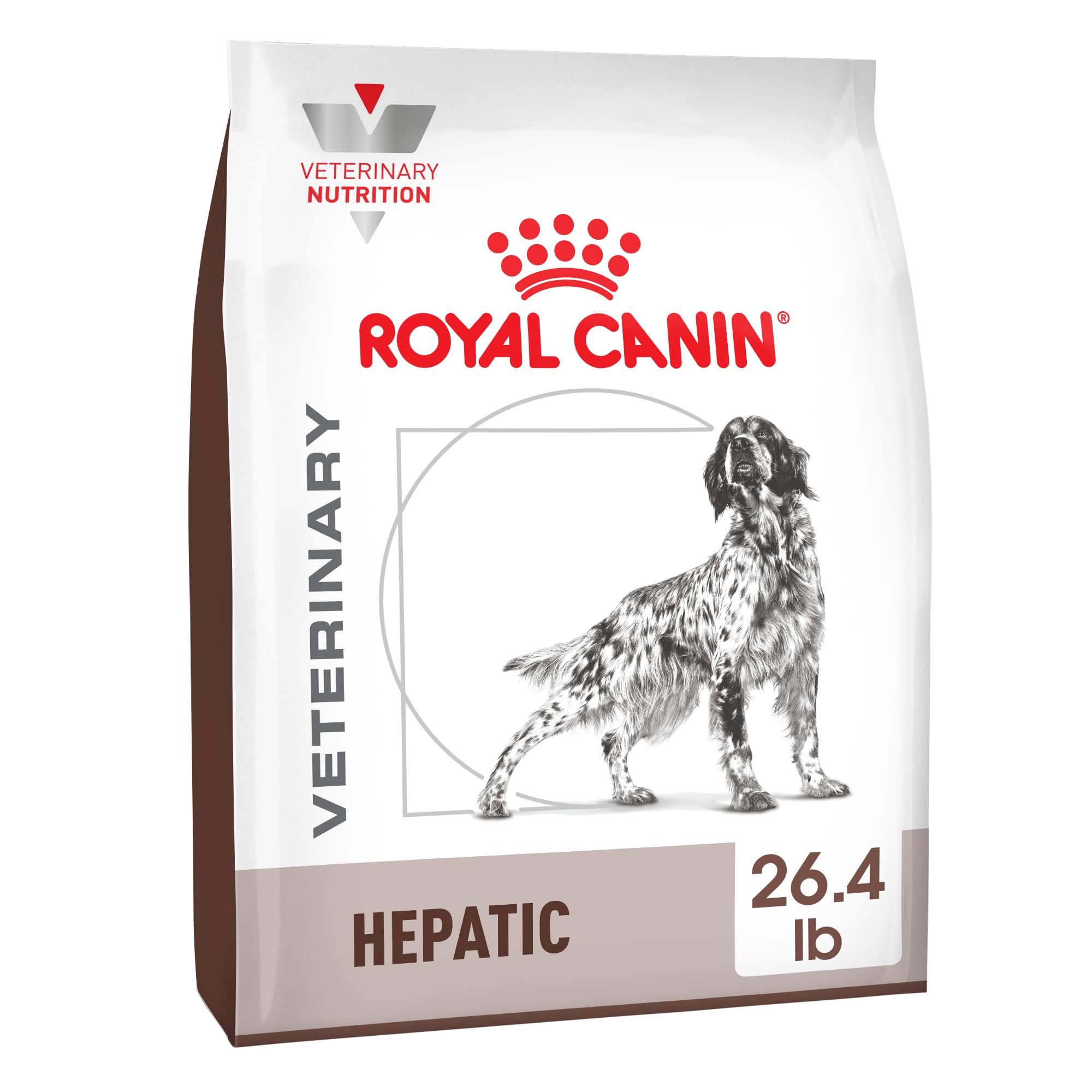
Royal Canin’s Hepatic formula takes a different approach than Hill’s by using soy protein isolate as the primary protein source. Vegetable proteins generate less metabolic waste per gram of nitrogen than animal proteins, making this an excellent option for dogs with end-stage liver disease or those who cannot tolerate even the controlled animal protein in l/d. The crude protein level sits around 14%, and the copper is restricted to approximately 4.9 mg per 1,000 kcal, keeping the hepatic accumulation risk very low.
The bag is significantly larger at 26.4 pounds, providing roughly 131 cups of food—meaning a 50-pound dog gets about three to four weeks out of a single bag depending on caloric needs. The kibble is smaller and rounder than typical retail kibble, which helps with chewing for senior dogs who often have concurrent dental issues. The formula includes a prebiotic blend of fructooligosaccharides to support a healthy gut microbiome, which can be disrupted in dogs undergoing hepatic therapy.
Palatability can be borderline for picky eaters because the vegetable protein profile lacks the strong meat scent many dogs respond to. Owners have reported need to transition slowly over seven to ten days, mixing with the previous food in increasing ratios. The diet is also available in a wet food format for syringe-feeding or for dogs who refuse dry kibble entirely.
Why we love it
- Vegetable protein source minimizes nitrogenous waste production
- Largest bag size among hepatic prescription diets reduces reorder frequency
- Added prebiotics support gastrointestinal microbiome health
Good to know
- Prescription required from veterinarian
- Lower palatability may require slow transition for picky dogs
- Soy protein isolate may not suit dogs with known soy sensitivities
3. maxxipaws maxxiSAMe Advanced SAM-e Powder Supplement

maxxiSAMe delivers a concentrated dose of S-adenosylmethionine (SAM-e) in a powder format that mixes into wet or dry food. SAM-e is the single most researched hepatic support molecule for dogs—it donates methyl groups for glutathione regeneration, which is the liver’s primary defense against oxidative damage. The powder also contains artichoke extract (stimulates bile production), choline and inositol (help remove fatty deposits from the liver), and a B-vitamin complex that supports hepatic metabolic pathways.
The dosing is straightforward: one scoop per 30 pounds of body weight per day, given with food. For a 60-pound dog, two scoops daily provides roughly 600 mg of SAM-e, which aligns with veterinary dosing protocols for early-stage hepatic disease. The powder has a natural flavor that most dogs tolerate well when mixed into wet food, though some dogs may refuse it if sprinkled onto dry kibble alone. Absorption is improved when given on an empty stomach, but the manufacturer recommends giving it with food to avoid gastrointestinal upset.
This supplement is designed to work alongside a veterinary prescription diet, not as a standalone liver therapy. It is suitable for dogs at all life stages and all breeds, but it should not be used in dogs with diagnosed SAM-e sensitivity or those already on MAOI medications. The 5.3-ounce container lasts about 30 days for a 30-pound dog and 15 days for a 60-pound dog, so factor refill frequency into your planning.
Why we love it
- SAM-e is the most clinically validated hepatic support molecule for dogs
- Powder format allows flexible dosing and easy administration with food
- Artichoke and choline provide complementary bile and fat metabolism support
Good to know
- Not a replacement for a veterinary prescription diet
- Container size may require monthly refill for larger dogs
- Must be stored in a cool, dry place to maintain SAM-e potency
4. Rx Vitamins Hepato Support for Dogs & Cats
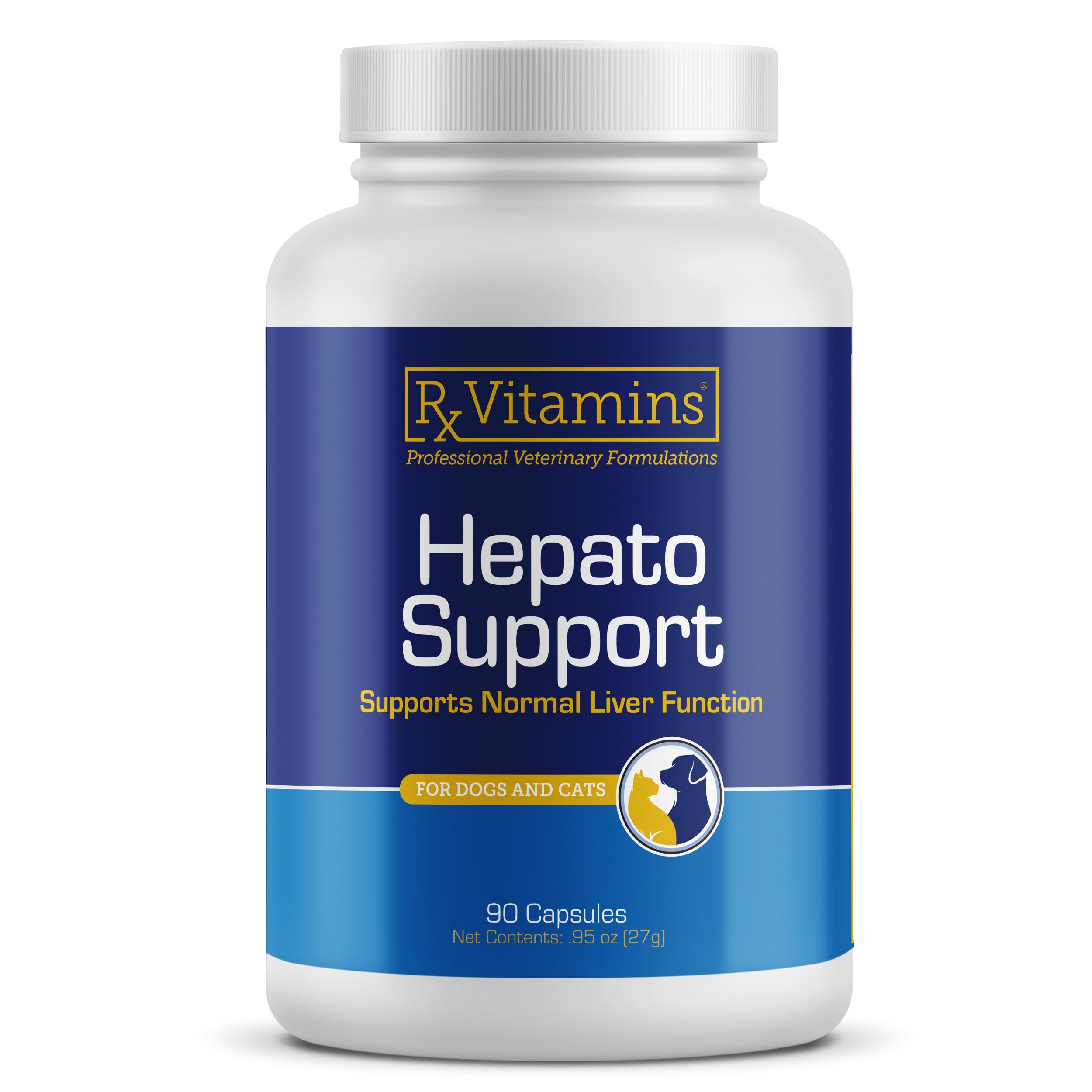
Hepato Support from Rx Vitamins focuses on milk thistle extract (standardized to 80% silymarin) combined with vitamin B2 (riboflavin) as its core hepatic support mechanism. Silymarin has been shown to inhibit toxin binding at the hepatocyte cell membrane, reduce inflammation, and stimulate liver cell regeneration. The addition of riboflavin supports the liver’s energy metabolism pathways, which are often depleted in sick animals. Each capsule delivers a therapeutic dose that scales easily for dogs of different sizes.
The capsule format requires sneaking into a pill pocket, a piece of cheese, or wet food. For very small dogs under 10 pounds, a single capsule may need to be split, which means opening the capsule and dividing the powder. The product is made in the USA in a cGMP-compliant facility, and the manufacturer provides batch-specific certificates of analysis upon request for silymarin concentration verification.
This product is designed for both dogs and cats, making it a practical choice for multi-species households. However, it does not contain SAM-e or artichoke, which are the key ingredients in the maxxiSAMe product. If your dog’s liver issue involves significant fatty liver accumulation or cognitive decline, you will need a separate SAM-e source. Hepato Support is best suited as a foundational supplement for mild hepatic support or for dogs who cannot tolerate SAM-e.
Why we love it
- Milk thistle silymarin is a well-researched hepatoprotective compound
- Unflavored capsules allow flexible dosing and are easy to split
- Made in USA with batch-specific testing for potency verification
Good to know
- No SAM-e or artichoke extract in the formula
- Capsule format may require hiding in food for picky dogs
- Best suited for mild to moderate hepatic support, not severe disease
5. Same 100 Liver Support for Dogs Soft Chews
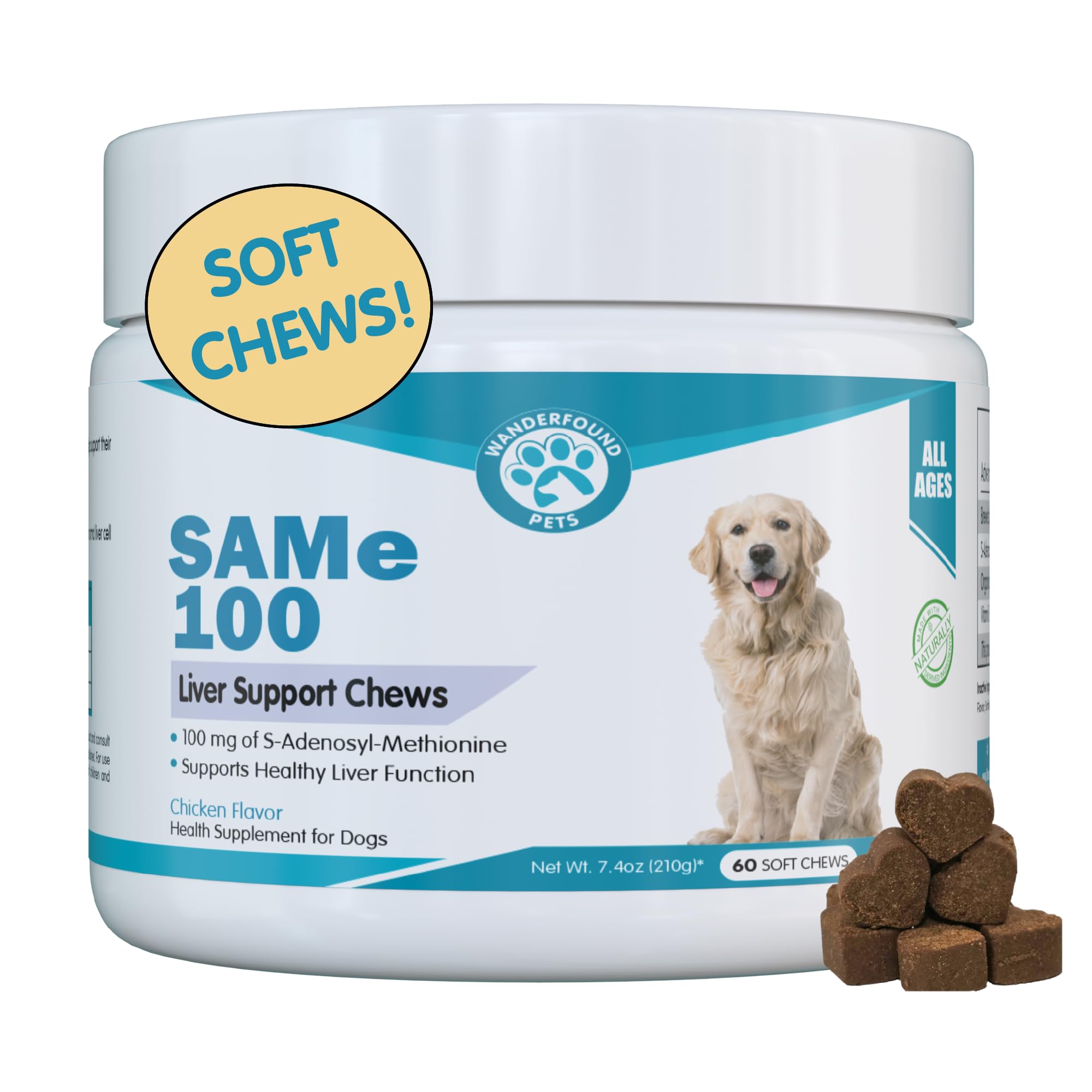
Same 100 delivers SAM-e in a bacon-flavored soft chew format designed to improve compliance with dogs who refuse capsules or powders. Each chew contains roughly 58 mg of SAM-e per chew based on the 3,500 mg per bag across 60 chews, which is a lower per-unit dose than the maxxiSAMe powder. The formula also includes chicken flavoring to mask the bitter taste of SAM-e, which can be a sticking point for dogs who detect it in other supplement forms.
The soft chew texture is ideal for senior dogs with dental sensitivities or missing teeth, as it requires minimal chewing effort. The serving size is one to two chews per day depending on body weight, and the bag contains a 30- to 60-day supply for most dogs. The product is free from corn, wheat, and soy, which is helpful for dogs with multiple dietary restrictions beyond their liver condition.
The main limitation is the relatively low SAM-e dose per chew. For a large dog weighing 70 pounds, the recommended veterinary dose of SAM-e is around 400–600 mg per day, which would require six to ten chews—making it impractical as a primary SAM-e source for big breeds. This product is best suited for small to medium dogs (under 30 pounds) or as a low-dose maintenance option after initial SAM-e loading has been achieved through a higher potency product.
Why we love it
- Bacon flavor improves acceptance for dogs who resist other supplement forms
- Soft chew texture is gentle on senior teeth and gums
- Free from corn, wheat, and soy allergens
Good to know
- Lower SAM-e per chew than powder options
- Not cost-effective as primary SAM-e source for dogs over 30 pounds
- Chicken flavoring may not suit dogs with poultry protein restrictions
FAQ
Can I feed my dog a homemade diet instead of a veterinary hepatic formula?
How do I know if my dog’s liver issue requires a low copper diet?
What blood values should improve after switching to a hepatic diet?
Final Thoughts: The Verdict
For most dogs with diagnosed liver disease, the dog food for liver issues winner is the Hill’s Prescription Diet l/d Liver Care because it delivers the safest combination of low copper and highly digestible animal protein, backed by decades of clinical validation. If you want a vegetable protein base that generates minimal metabolic waste, grab the Royal Canin Veterinary Diet Hepatic. And for supplementing alongside a therapeutic diet, nothing beats the maxxipaws maxxiSAMe powder for targeted SAM-e and artichoke support at a dose that actually matches veterinary protocols.