
The pancreas is a silent organ — until inflammation turns your dog’s life into a cycle of vomiting, diarrhea, and abdominal pain. Managing pancreatitis in dogs means more than just feeding “low fat” food; it requires a precision approach to fat percentage, ingredient digestibility, and nutrient density that stabilizes the pancreas rather than agitating it.
I’m Mo Mahin — the founder and writer behind Furric. I’ve spent years cross-referencing veterinary nutritional guidelines against owner-reported outcomes, analyzing crude fat percentages, fiber blands, hydrolyzed protein structures, and caloric density to identify which foods actually prevent recurrence versus those that just slap a “sensitive stomach” label on the bag.
This guide breaks down the most effective dietary solutions for managing canine pancreatitis, from prescription-grade hydrolyzed formulas to balanced over-the-counter options. Whether you are facing an acute flare-up or managing a chronic condition, understanding the specific triggers in your dog’s bowl is the cornerstone of treatment. I have analyzed dozens of formulas to curate this definitive list of the best dog food for pancreatitis that balances efficacy, palatability, and real-world value.
How To Choose The Best Dog Food For Pancreatitis
Selecting a diet for a dog with pancreatitis requires veterinary guidance, but understanding the key nutritional levers empowers you to make informed decisions. The goal is to provide complete nutrition while minimizing the pancreatic workload. Fat is the primary digestibility trigger, but protein source, fiber type, and caloric density play equally critical roles in preventing recurrent inflammation.
Crude Fat Percentage vs. Caloric Density from Fat
Reading the “crude fat” line on the guaranteed analysis is the starting point, but the actual percentage of calories derived from fat is the more clinically relevant number. Dry foods with a guaranteed crude fat around 6-10% are generally appropriate for pancreatitis-prone dogs. However, a food with 10% crude fat that derives 40% of its calories from fat is riskier than one with 8% fat deriving only 25% of its calories. Wet foods, which contain high moisture, often have a lower fat percentage on an as-fed basis but can be calorie-dense from fat when measured on a dry-matter basis. Always cross-reference the fat percentage with the calorie distribution from the manufacturer. Target foods where fat supplies less than 30% of total metabolizable energy.
Protein Source and Hydrolyzation
Pancreatitis frequently co-occurs with food sensitivities or inflammatory bowel disease. Selecting a diet with a single, novel, or hydrolyzed protein source reduces the likelihood of concurrent allergic or inflammatory reactions that further tax the digestive system. Hydrolyzed protein has been broken down into short chains of amino acids, which are less likely to trigger an immune response and are absorbed directly without requiring complex digestive enzymes the pancreas may be struggling to produce. For non-prescription options, look for formulas with whitefish, venison, or rabbit as the primary protein source rather than common allergens like chicken or beef.
Fiber Type and Digestive Support
The fiber profile in a pancreatitis diet serves a dual purpose: slowing gastric emptying to improve nutrient absorption and binding excess bile acids that can irritate the colon. A proprietary blend of soluble and insoluble fibers, prebiotics, and probiotics supports a healthy gut microbiome and improves stool quality. Avoid foods with excessive insoluble fiber (like beet pulp in high quantities) as this can speed transit time and reduce nutrient absorption. Instead, seek out formulas that include pumpkin, psyllium husk, or inulin as prebiotic sources alongside a moderate crude fiber level between 2-5%.
Quick Comparison
On smaller screens, swipe sideways to see the full table.
| Model | Category | Best For | Key Spec | Amazon |
|---|---|---|---|---|
| Hill’s Prescription Diet i/d Low Fat | Veterinary Wet | Long-term digestive care | ActivBiome+ technology | Amazon |
| Royal Canin Veterinary Diet GI Low Fat | Veterinary Dry | Picky eaters with pancreatitis | Prebiotics & fiber blend | Amazon |
| Hill’s Prescription Diet z/d Low Fat | Hydrolyzed Dry | Food sensitivities & pancreatitis | Hydrolyzed soy protein | Amazon |
| Pro Plan Veterinary Diets EN Gastroenteric | Veterinary Wet | Acute GI support | MCT oil for energy | Amazon |
| Dave’s Pet Food Bland Diet | Low Fat Wet | Budget-friendly bland diet | 6% crude fat pâté | Amazon |
| SquarePet Low Fat Whitefish | Low Fat Dry | Prescription-free low fat | 6-8% fat, fiber blend | Amazon |
| KOHA Bland Diet Chicken & Rice | Limited Ingredient | Convenient bland meals | Single protein + pumpkin | Amazon |
In‑Depth Reviews
1. Hill’s Prescription Diet i/d Low Fat Digestive Care Wet Dog Food

Hill’s Prescription Diet i/d Low Fat utilizes proprietary ActivBiome+ ingredient technology, a blend of prebiotic fibers designed to rapidly activate beneficial gut bacteria and restore a healthy GI microbiome balance. This 24-pack of 5.5 oz cans offers a low fat formula with highly digestible protein in a rice, vegetable, and chicken stew form, specifically formulated to help settle digestive upsets and lower blood fat levels.
Owner feedback confirms this food manages pancreatitis with remarkable consistency. One Yorkshire terrier owner reported positive results over 4.5 to 5 months, with the dog maintaining stable condition while on the diet alongside medication. Another owner switched their dog to this formula post-pancreatitis diagnosis and combined it with the same brand’s dry food, rice, and chicken breast, reporting zero flare-ups since the switch. The stew texture appeals even to dogs that had previously rejected other low fat options.
The primary consideration is the prescription requirement, which adds a veterinary visit step before purchasing. The canned format also requires refrigeration after opening, which can be less convenient for travel than shelf-stable dry kibble. However, for long-term management, the palatability and clinical outcomes justify the logistical requirements.
Why we love it
- Proprietary ActivBiome+ technology rapidly supports gut microbiome health
- Highly palatable stew format dogs with pancreatitis find appealing
- Clinically proven to manage fat levels and support nutrient absorption
Good to know
- Requires a veterinarian’s prescription to purchase
- Must be refrigerated after opening, reducing travel convenience
2. Royal Canin Veterinary Diet Canine Gastrointestinal LF Low Fat
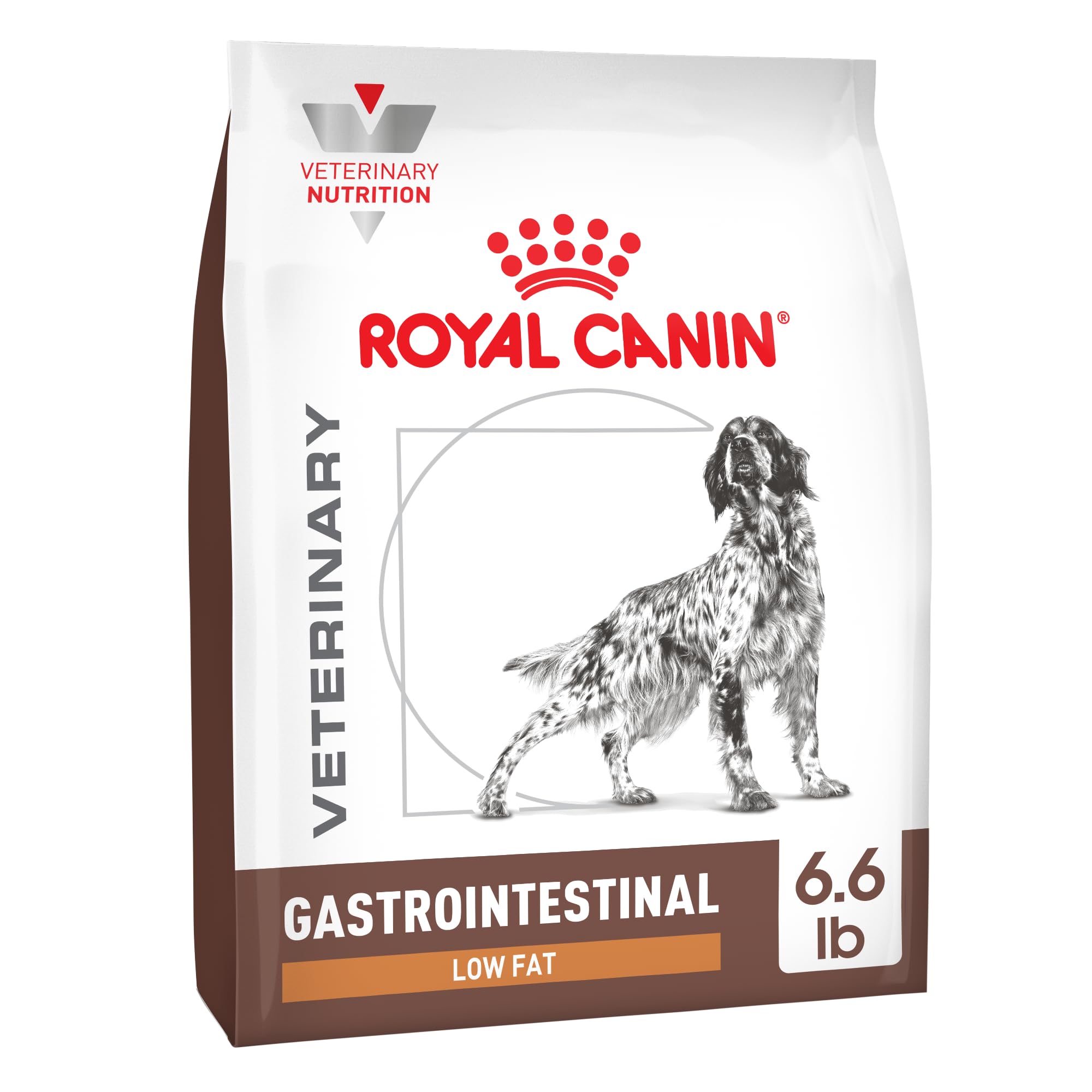
Royal Canin’s Gastrointestinal Low Fat formula is a veterinary-exclusive dry kibble designed specifically for dogs with digestive concerns, including pancreatitis. This 6.6 lb bag delivers a low fat, easy-to-digest kibble enriched with prebiotics to support beneficial gut bacteria and a blend of dietary fibers optimized for stool quality. The formula is crafted to be highly flavorful, appealing even to dogs with picky appetites that often accompany digestive distress.
Customer reports highlight the effectiveness of this food for dogs with a history of pancreatitis. One Yorkie owner noted the food stopped post-meal vomiting entirely, with the dog maintaining stable condition when used alongside a probiotic. Another reviewer described it as “the only food our dog can eat,” having transitioned from a raw diet after pancreatitis diagnosis. The kibble texture encourages chewing and provides dental benefits compared to wet food alternatives.
The major downside is the prescription-only requirement and the cost, which can be significantly higher than standard commercial diets. Some owners have reported price increases on third-party platforms compared to their local veterinarian’s pricing. Additionally, the 6.6 lb bag size may not be the most economical option for larger breeds requiring multiple bags per month.
Why we love it
- Formulated to be highly flavorful for dogs with reduced appetite due to pancreatitis
- Veterinary-exclusive recipe with proven clinical outcomes for digestive health
- Dual fiber blend supports optimal stool quality and nutrient absorption
Good to know
- Veterinary prescription is required for purchase
- Premium pricing can be prohibitive for multi-dog households
3. Hill’s Prescription Diet z/d Low Fat Food Sensitivities Dry Dog Food

Hill’s Prescription Diet z/d Low Fat uniquely combines hydrolyzed soy protein with a low fat formulation, making it a dual-purpose solution for dogs suffering from both food sensitivities and pancreatitis. The 8 lb bag provides highly digestible protein broken down to avoid triggering immune reactions, while the low fat content minimizes pancreatic stimulation. Enriched with essential fatty acids and clinically proven antioxidants, this formula supports skin barrier health and immune function simultaneously.
Owner feedback confirms this food works for dogs with complex allergy-digestion profiles. One reviewer with a senior 90 lb rescue pitbull reported the food helped manage both food allergies and weight, with the dog losing around 10 lbs on the diet. Another owner managing IBD indicated this prescription food was essential for keeping their dog stable, though they noted a more affordable non-prescription alternative exists for budget-sensitive months.
The hydrolyzed protein format can be less palatable to some dogs compared to whole-protein formulas. Several owners noted the premium price point as a significant commitment, and the soy-based protein may not suit every dog’s taste preference. The kibble size is relatively standard but may be challenging for very small breeds with sensitive teeth.
Why we love it
- Hydrolyzed soy protein prevents both allergy and pancreatitis triggers
- Formulated with antioxidants and omega fatty acids for comprehensive immune support
- Supports weight management in addition to digestive health
Good to know
- Requires a veterinary prescription for purchase
- Hydrolyzed protein can be less palatable compared to standard formulas
4. Pro Plan Veterinary Diets Purina EN Gastroenteric Canine Formula

Purina Pro Plan Veterinary Diets EN Gastroenteric Canine Formula distinguishes itself with the inclusion of medium-chain triglyceride (MCT) vegetable oil or coconut oil as a dedicated energy source. MCTs are absorbed directly from the gut into the portal circulation, requiring no pancreatic enzyme breakdown, making this formula uniquely efficient for dogs recovering from acute pancreatitis flare-ups. This pack of twelve 13.4 oz cans delivers high digestibility, prebiotic fiber, and antioxidants in a ground loaf and pâté format.
User experiences confirm the immediate impact of this food on acute GI issues. One greyhound owner reported the food “helped her bowel movements tremendously,” resolving long-standing loose stool issues. Another owner managing inflammatory bowel disease noted the dog tolerated the formula well, appreciating the inclusion of inulin as a prebiotic and MCT oil for gut health. The large 13.4 oz can size provides substantial volume per serving, suitable for medium to large breeds.
The premium pricing is the most consistent drawback cited by owners, with some describing it as “a bit pricey” but worth the clinical outcome. The ground loaf texture may not appeal to all dogs, particularly those accustomed to chunkier stews or kibble. Additionally, the prescription requirement means you cannot purchase this as an emergency backup without prior veterinary authorization.
Why we love it
- MCT oil provides energy without requiring pancreatic digestion
- High total digestibility promotes rapid nutrient absorption during recovery
- Large 13.4 oz can size provides economical value per serving
Good to know
- Premium pricing is the most consistent owner complaint
- Ground loaf texture may not appeal to all dogs
5. Dave’s Pet Food Bland Diet Dog Food (Chicken & Rice)
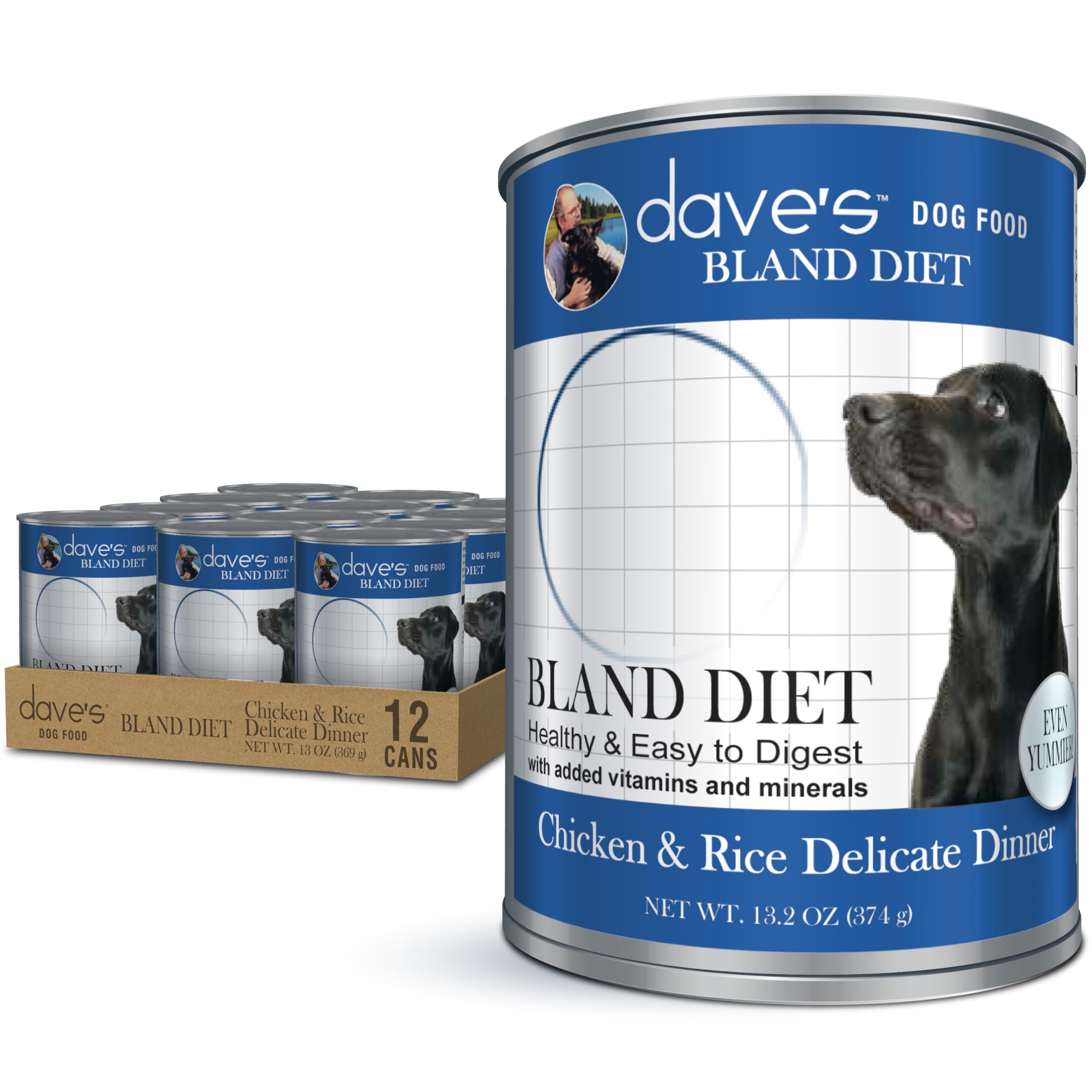
Dave’s Pet Food Bland Diet delivers a low fat (6% crude fat) limited ingredient formula in a smooth pâté texture, available in a case of twelve 13.2 oz cans. The simple chicken and white rice recipe excludes wheat, gluten, artificial flavors, and meat by-products, making it an accessible over-the-counter option for dogs with pancreatitis and food sensitivities. This formula is AAFCO-compliant for adult maintenance, meaning it can be fed as a complete long-term meal rather than just a transitional diet.
Owner testimonials overwhelmingly cite this food as a “lifesaver” for dogs with acute digestive distress. One French Bulldog owner reported the bland diet resolved vomiting and diarrhea within 4-5 days when fed alongside water and pumpkin. A chi owner with pancreatitis specifically confirmed this food works for their dog, stating they “could not recommend it more.” A 12-year-old Rottweiler with failing stomach function was able to double food intake without gurgling or bile production after switching to this formula.
While the low fat percentage is ideal for pancreatitis, dogs with concurrent weight management needs may require careful portion control as this is a wet food with moderate calorie density. The pâté texture is soft and easy to eat, but some dogs may refuse it if accustomed to chunkier textures. The chicken protein source, while limited, may not be suitable for dogs with confirmed poultry allergies.
Why we love it
- Over-the-counter availability with veterinary-quality 6% crude fat level
- Smooth pâté texture is ideal for senior dogs and small breeds with dental issues
- Complete & balanced AAFCO compliance allows long-term feeding
Good to know
- Chicken protein may not be suitable for dogs with poultry allergies
- Pâté texture may be rejected by dogs accustomed to chunkier foods
6. SquarePet Veterinarian Formulated Low Fat Lean Whitefish Dry Dog Food

SquarePet’s Low Fat Lean Whitefish formula is a non-prescription alternative that delivers a 6-8% crude fat level comparable to veterinary-exclusive low fat diets. This 4.4 lb bag features wild-caught Pacific cod and ocean whitefish meal sourced from MSC-certified sustainable fisheries as the primary protein sources. The formula includes SquarePet’s proprietary dietary fiber blend combining soluble fiber, insoluble fiber, prebiotics, and probiotics to support healthy digestion without the need for a prescription.
Owner feedback positions this as a prescription-free solution for dogs with pancreatitis history and poultry allergies. One reviewer managing a Mini Schnauzer prone to pancreatitis reported this food was “easy on his belly with no gas or sicknesses.” Another owner with an 8-year-old dog with high triglycerides confirmed the 6-8% fat formula resolved diarrhea within one week, with the dog producing solid, smaller stools. The wild-caught fish base provides omega-3 fatty acids DHA and EPA for coat health without adding inflammatory saturated fats.
Availability of the 4.4 lb bag may be inconvenient for owners of larger dogs requiring greater daily volume, as it may necessitate more frequent repurchases. Several owners noted that some dogs with very sensitive palates may refuse the fish-forward flavor profile, especially those accustomed to chicken or beef-based diets. The kibble is formulated for all breed sizes but the crunchy texture may be less suitable for senior dogs with significant dental issues.
Why we love it
- Prescription-free formula with crude fat levels matching veterinary diets
- Wild-caught fish provides superior omega fatty acid profile for coat health
- Proprietary dietary fiber blend includes both prebiotics and probiotics
Good to know
- Fish-heavy flavor may be rejected by dogs accustomed to poultry proteins
- Small bag size may be impractical for owners of large-breed dogs
7. KOHA Limited Ingredient Bland Diet for Dogs (Chicken & White Rice)

KOHA Bland Diet provides a ready-to-serve limited ingredient wet food with just a single protein source (chicken), white rice, and pumpkin to support healthy stools and regularity. Sold in over 5,000 vet clinics and pet stores, this pack of six pouches eliminates the need for home cooking when a bland diet is prescribed. The formula is free from fillers such as peas, potatoes, corn, and soy, and contains no artificial preservatives, making it suitable for sensitive stomach management including pancreatitis recovery.
Owner reviews confirm the convenience and effectiveness of this AAFCO-balanced bland diet. One dog with chronic digestive issues experienced complete resolution of diarrhea within one week, with the owner noting this was more convenient than alternative products requiring home cooking. Another medium terrier with stomach issues stopped vomiting after switching to this formula. The inclusion of pumpkin as a natural prebiotic was specifically praised by owners for soothing the digestive tract during flare-ups.
The chicken protein source is a common allergen for some dogs, which may limit this product’s suitability for those with confirmed poultry sensitivities. The pouch format is convenient but generates more packaging waste compared to cans or bags. Some owners noted the product is slightly more expensive than cooking homemade bland diets, though the convenience factor outweighs the cost premium for most.
Why we love it
- Ready-to-serve convenience eliminates home cooking time during sudden flare-ups
- Pumpkin inclusion provides natural prebiotic support for digestive regularity
- Single protein source simplifies identification of food sensitivity triggers
Good to know
- Chicken protein may not be suitable for dogs with confirmed poultry allergies
- Pouch format produces more packaging waste per serving compared to cans
FAQ
What is the target crude fat percentage for a dog with pancreatitis?
Can I feed my dog a homemade low fat diet instead of commercial food?
Why does my dog need a prescription for some pancreatitis diets?
How do I prevent my dog from eating other pets’ food with higher fat content?
Final Thoughts: The Verdict
For most dog owners managing this chronic condition, the best dog food for pancreatitis winner is the Hill’s Prescription Diet i/d Low Fat Wet Dog Food because its ActivBiome+ technology provides fast, clinically-proven support for digestive health while maintaining the low fat profile essential for pancreatic function. If you need a prescription-free option that still offers veterinary-level fat control, grab the SquarePet Low Fat Lean Whitefish Dry Dog Food for its 6-8% crude fat and proprietary fiber blend. And for acute flare-ups or emergency bland diet needs without home cooking, nothing beats the convenience of the KOHA Bland Diet Chicken & Rice pouches for their ready-to-serve limited ingredient simplicity.