
Raising healthy, vibrant ducklings is a joyful responsibility that starts with their very first bite. What you feed them in those early weeks lays the groundwork for strong bones, waterproof feathers, and a robust immune system for life.
I’m Mo Mahin — the founder and writer behind Furric. My process involves deep market research into ingredient sourcing, analyzing veterinary safety standards for avian nutrition, and evaluating thousands of real flock owner testimonials to separate marketing hype from genuine results.
Navigating the options can feel overwhelming, but understanding a few key nutritional pillars makes the choice clear. After cross-referencing scientific guidelines with practical keeper experiences, the undeniable cornerstone for a thriving flock is selecting the best duckling feed.
How To Choose The Best Duckling Feed
The right feed does more than fill a belly; it constructs a duckling from the inside out. Focus on these critical elements to make an informed choice that supports a lifetime of health.
Niacin: The Growth Imperative
Ducklings require significantly more niacin (Vitamin B3) than chicks to develop strong leg joints and nerves. A deficiency can lead to debilitating leg weakness or bowed legs within days. Always verify the feed is explicitly formulated for ducks or waterfowl, as chicken starter often lacks sufficient niacin levels.
Protein Percentage & Source
For the first 2-3 weeks, ducklings need a high-protein diet (18-22%) from quality sources like fish meal, soybean meal, or insect meal to support rapid muscle and feather development. After this stage, protein can be gradually reduced to prevent excessive weight gain.
Feed Form: Pellets, Mash, or Crumbles
Mini pellets reduce waste and are easy for ducklings to eat. A fine mash is ideal for very young ducklings and can be fermented to boost digestibility. Crumbles are a middle ground. Avoid large pellets that can be a choking hazard for newborns.
Supportive Additives
Look for feeds with added probiotics or prebiotics to support digestive health, especially since ducklings can have sensitive systems. Also, consider feeds with essential vitamins and minerals for overall vitality without relying on artificial additives.
Quick Comparison
On smaller screens, swipe sideways to see the full table.
| Model | Type | Best For | Key Feature | Amazon |
|---|---|---|---|---|
| Scratch & Peck Starter Mash | Organic Mash | Ducklings 0-4 weeks | Corn & soy-free, 20.5% protein | Amazon |
| Purina Duck Feed | Pellet | All life stages | Elevated niacin levels | Amazon |
| Wholesome Harvest Starter | Granule | Goslings & ducklings | 22% protein with herbs & probiotics | Amazon |
| Natural Waterscapes Floating | Floating Pellet | Wild or pet waterfowl | Floats over 1 hour, reduces waste | Amazon |
| Manna Pro Layer Pellet | Pellet | Laying ducks | Probiotics for digestion, no antibiotics | Amazon |
| Hatortempt Dried Mealworms | Treat | Protein supplement | 52% protein, non-GMO | Amazon |
| Kalmbach Duck & Goose Feed | Mini Pellet | Ducks and geese | LifeGuard digestive blend | Amazon |
| Wholesome Harvest Layer Feed | Granule | Adult waterfowl | Non-GMO with essential oils | Amazon |
| Scratch & Peck 25lb Mash | Organic Mash | Larger flocks | Bulk organic starter | Amazon |
| Purina Organic Layer Crumbles | Crumbles | Organic laying hens | Oyster Strong calcium system | Amazon |
| Natural Waterscapes 20lb | Floating Pellet | High-volume feeding | Large bag for frequent feeders | Amazon |
In-Depth Reviews
1. Scratch and Peck Whole Grain Starter Mash

For homesteaders who prioritize clean ingredients from day one, this organic starter mash sets the gold standard. Its corn-free and soy-free formula, powered by 20.5% protein from sources like flax and fish meal, delivers precisely what developing ducklings need without common allergens or fillers.
The whole grain composition not only encourages natural foraging behavior but can also be fermented to enhance nutrient absorption and gut health. Flock raisers note the visible difference in their birds’ energy and feather development, with many reporting that chicks and ducklings “went nuts on it” from the very first feeding.
While it represents a mid-range investment, the value is evident in the robust health of your flock. The resealable, eco-friendly packaging and support for sustainable farming practices make this a choice you can feel good about.
Why we love it
- Explicitly formulated with the high protein and clean ingredients ducklings require.
- Fermentable mash boosts digestibility and mimics natural eating habits.
- Backed by numerous reports of excellent growth rates and recovery from deficiencies.
Good to know
- The texture is a fine mash, which can be messier than pellets in certain feeders.
- As a specialty organic product, it’s not the most budget-friendly option on the shelf.
2. Purina Duck Feed for All Life-Stages
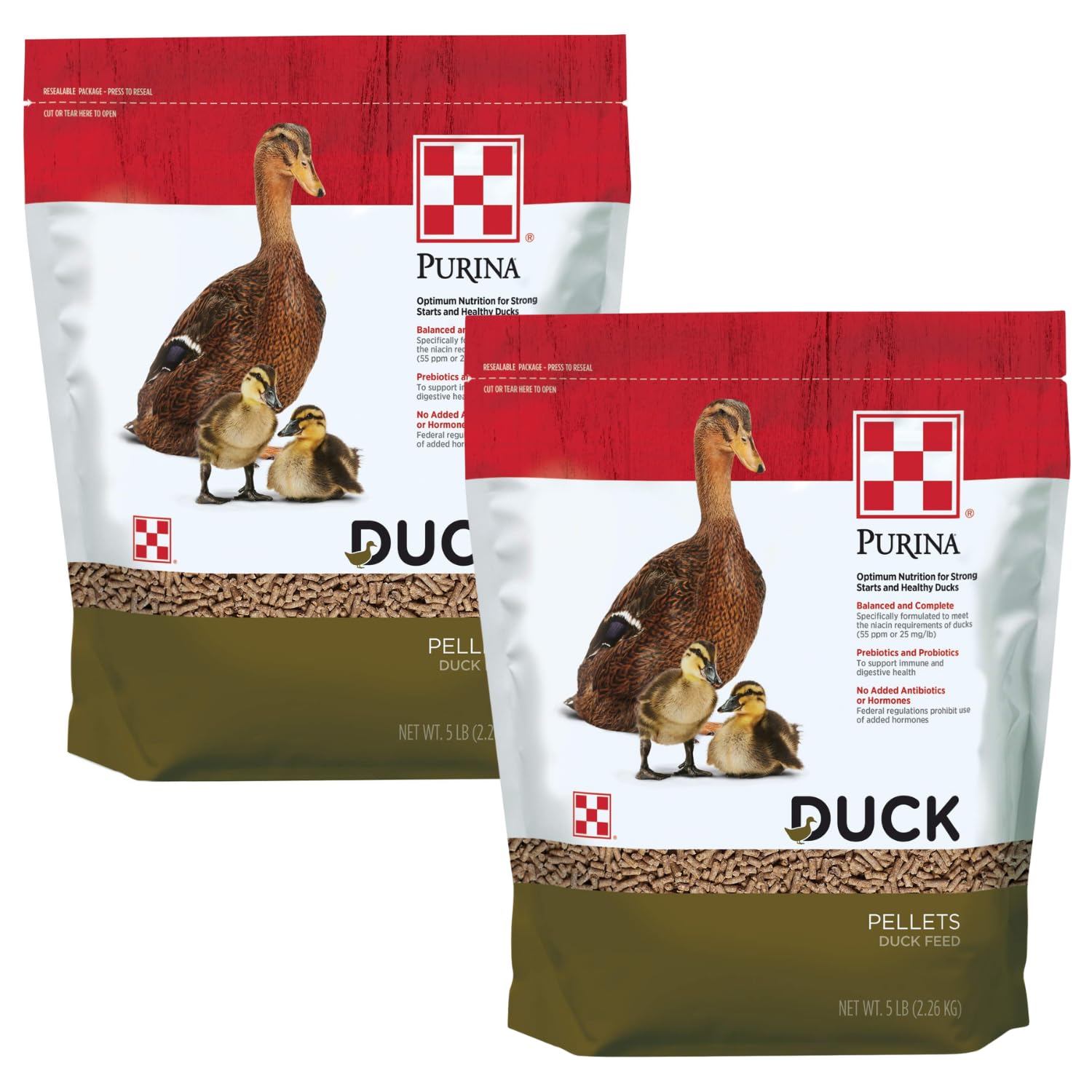
When you need one reliable bag for your entire mixed-age flock, Purina’s dedicated duck formula is a consistent performer. It solves the primary concern for duckling raisers by being nutritionally complete with elevated niacin levels, ensuring proper bone and joint development from hatch onward.
The pellet form is convenient, reduces waste, and is readily accepted by both domestic and wild ducks. Keepers who maintain a permanent pond community appreciate that this feed brings ducks “waddling to me” for feedings, indicating strong palatability.
This feed strikes a practical balance, offering the assurance of a major brand’s research without a premium price tag. It’s the workhorse choice for those who want simplicity and proven results across their waterfowl family.
Why we love it
- Specifically balances niacin for ducks, addressing the critical need chicken feeds lack.
- Pelleted form is easy to manage and store, with minimal dust or fine particles.
- Wildly popular with ducks, as noted by multiple owners who see immediate acceptance.
Good to know
- As an all-stages feed, protein levels are not as high as a dedicated starter for rapid growth.
- Some very picky flocks or individuals might show preference for other textures or ingredients.
3. Wholesome Harvest Natural Gosling & Duckling Starter Feed

This farm-grown starter feed takes a holistic approach to early nutrition, packing a substantial 22% protein punch alongside a blend of probiotics and health-supporting herbs like oregano. It’s designed for keepers who want to give their ducklings every advantage for strong immune and digestive systems from the start.
The non-GMO, whole grain mix includes cracked corn and sunflower seeds, providing recognizable ingredients that encourage eating. The inclusion of diatomaceous earth can offer mild parasite protection, a thoughtful addition for ground-reared birds.
While it sits at a higher price point, the comprehensive formulation and focus on sustainable farming resonate with those invested in natural flock management. Early feedback suggests ducklings thrive on it, making it a solid premium pick.
Why we love it
- Exceptionally high protein content is ideal for fueling the most rapid growth phase.
- Herbal and probiotic blend aims to build natural defenses and gut health proactively.
- Supports non-GMO agriculture and transparent sourcing from a family farm.
Good to know
- This is a higher-end investment, reflecting its specialty ingredient profile.
- As a granule mix, some finer pieces may settle, requiring occasional stirring in the feeder.
4. Natural Waterscapes Waterfowl Feed (5 lb)

For anyone feeding ducks on a pond or lake, this product solves the universal problem of feed sinking and going to waste. The pellets are engineered to float for over an hour, allowing waterfowl to feed naturally and giving you the satisfaction of seeing every bite consumed.
Formulated with fish meal for quality protein, it provides a balanced diet that’s far healthier than bread or crackers. Pond owners report that mallards, swans, and geese quickly learn to associate this feed with a nutritious treat, creating wonderful wildlife viewing opportunities.
It’s a specialized feed for a specific scenario, but it executes its purpose flawlessly. If your primary goal is to supplement wild visitors or feed pet ducks in water, this is the effective and responsible choice.
Why we love it
- Eliminates feed waste and water pollution by staying on the surface where ducks eat.
- Wildlife enthusiasts confirm that ducks and swans “love it” and actively seek it out.
- Provides a complete nutritional profile, making it a healthy alternative to human snacks.
Good to know
- Packaged in a smaller, convenient bag that reflects its specialized use case.
- Not designed as a primary starter feed for ducklings raised in a brooder.
5. Manna Pro Duck Layer Pellet
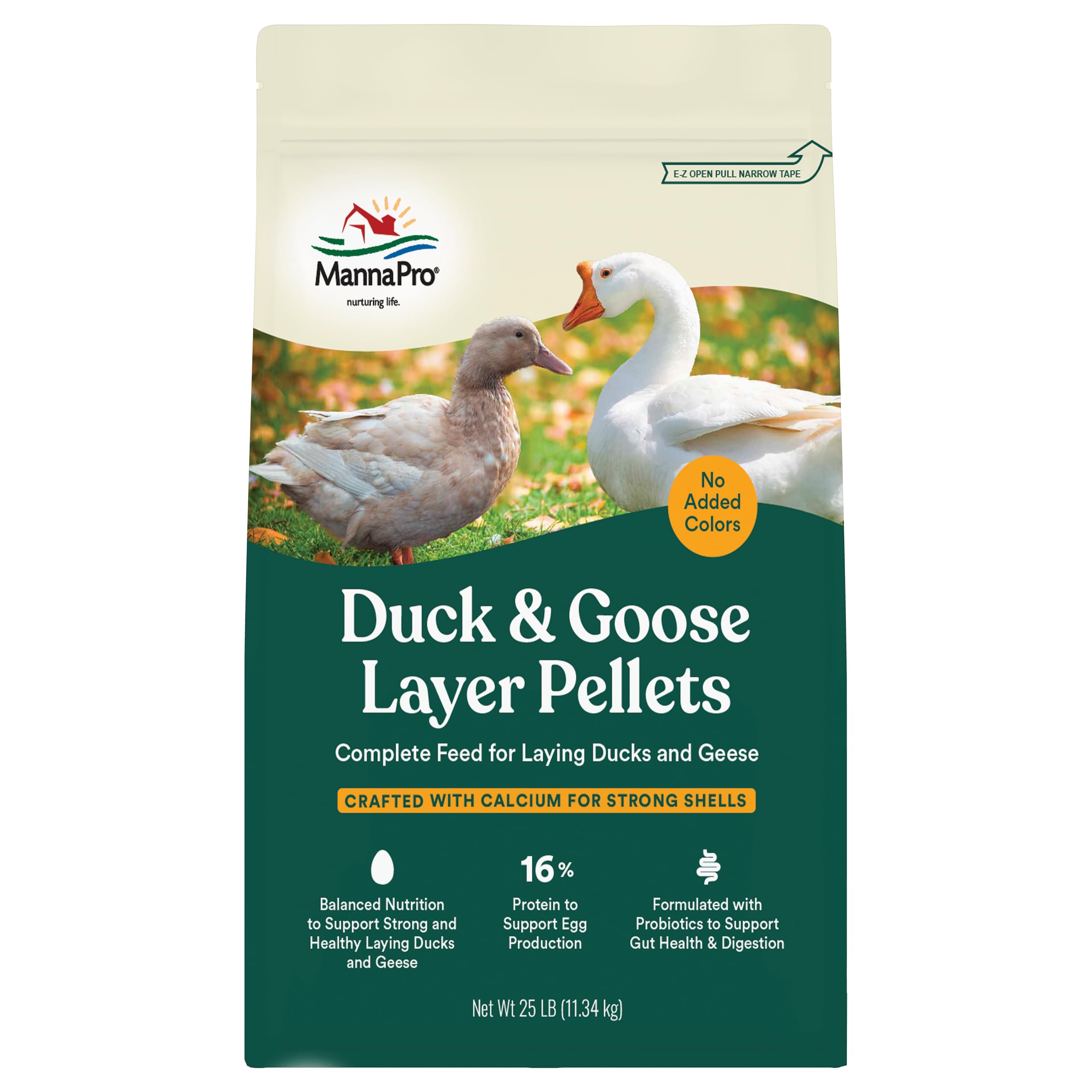
Once your ducklings mature into layers, this feed supports the increased nutritional demands of egg production. The high-protein formula is enhanced with probiotics to aid digestion and nutrient uptake, which is crucial for hens converting feed into strong eggshells and rich yolks.
Long-term duck keepers swear by the results, noting a “noticeable difference in their overall health and egg production” after switching. The pellets are sized for easy consumption, and the non-medicated, no-artificial-color formula aligns with a natural management approach.
While labeled for layers, its balanced nutrition and probiotic support make it a viable maintenance feed for non-laying ducks as well. It’s a trusted mid-range option for sustaining a productive flock.
Why we love it
- Designed to support consistent egg laying with targeted protein and calcium levels.
- Included probiotics help maintain gut efficiency, which can reduce overall feed waste.
- A staple for experienced raisers who have tested various brands and settled on this one.
Good to know
- As a layer feed, it’s not formulated with the extra niacin critical for ducklings under 4 weeks.
- Some wild waterfowl feeders mention the pellets do not float, which limits its use on ponds.
6. Hatortempt Dried Mealworms
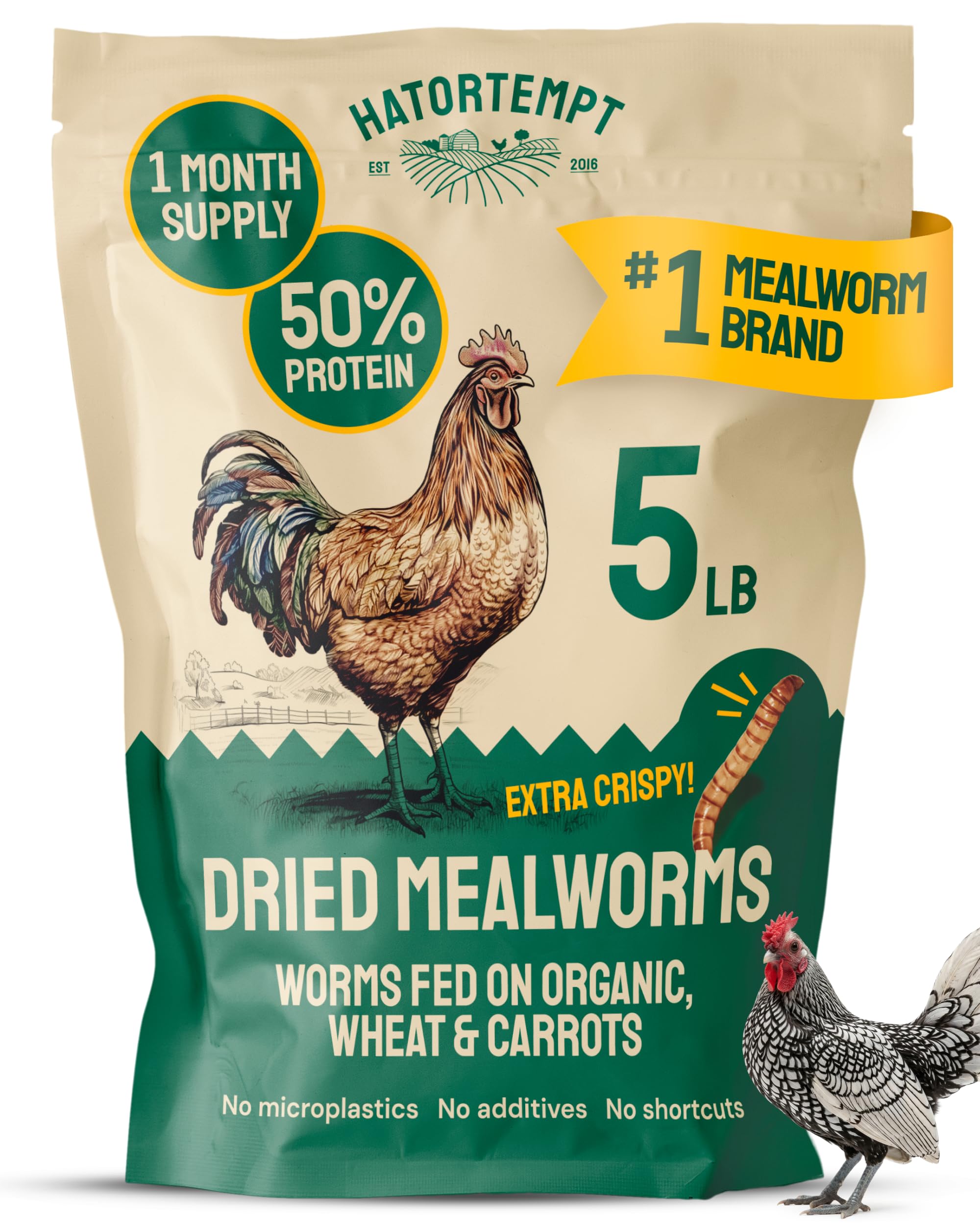
Think of this not as a staple feed, but as an invaluable supplement and training tool. These dried mealworms are a powerhouse of protein and healthy fats, perfect for encouraging bonding with skittish ducklings or providing an energy boost during colder months.
With an impressive 52% protein content, they mimic the insect-rich diet ducks would naturally forage for. Bird enthusiasts report that everything from bluebirds to chickens “absolutely love” them, making them a versatile stash for multiple species in your care.
The resealable bag maintains freshness, and the value in bulk is significant compared to small pet store containers. Used judiciously, they can enhance diet variety and enrichment without unbalancing a complete feed regimen.
Why we love it
- Extremely high protein content supports feather growth and overall condition.
- Drives exceptional enthusiasm from birds, useful for training or as a special reward.
- Excellent value per pound compared to smaller retail packages, with noted freshness.
Good to know
- Should only be offered as a supplement or treat, not a replacement for balanced feed.
- The strong aroma might be noticeable to some people when the bag is open.
7. Kalmbach Feeds Duck and Goose Feed Mini Pellet
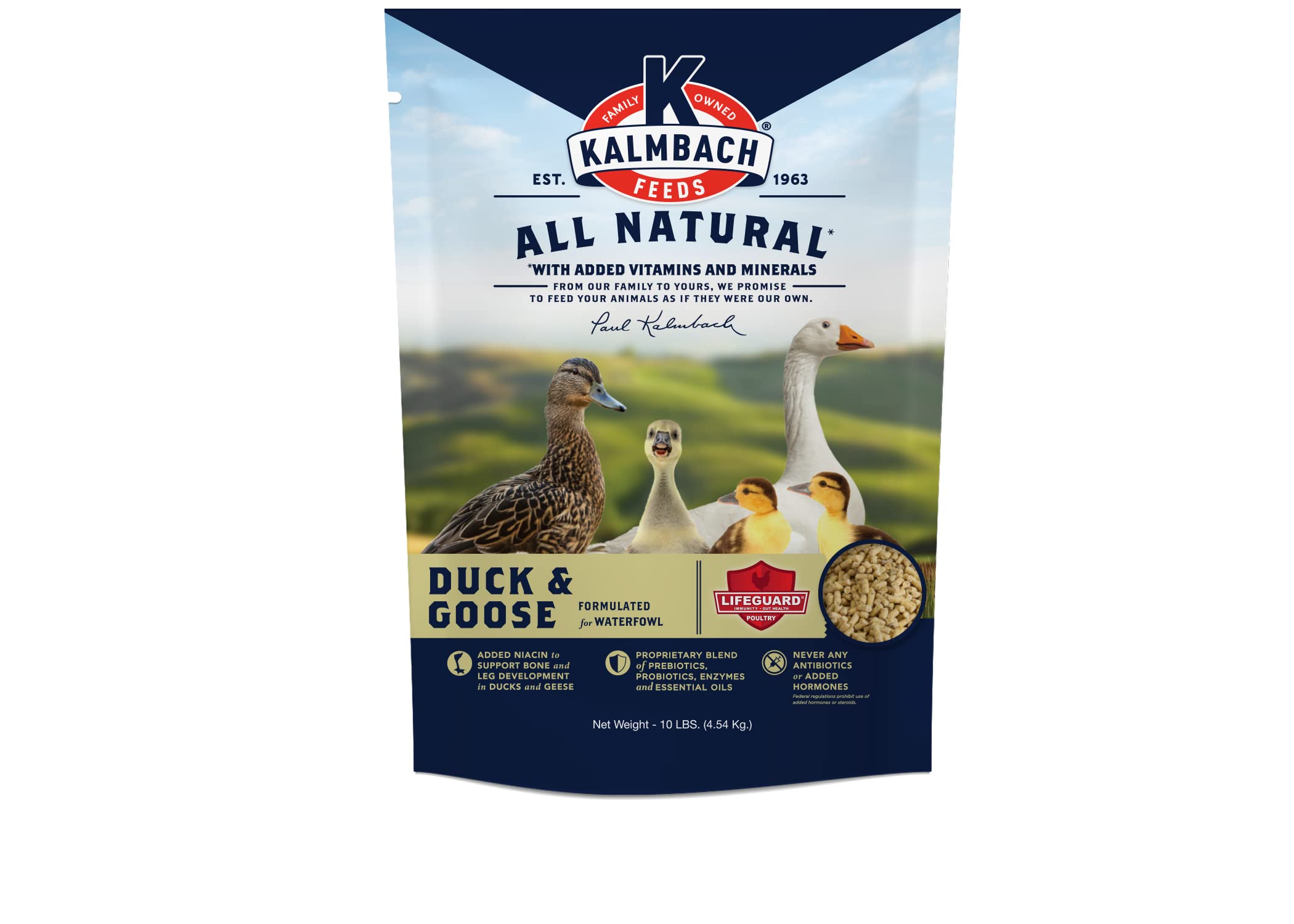
This feed focuses on foundational health through its proprietary LifeGuard blend, a mix of probiotics, prebiotics, and essential oils aimed at supporting digestion and immunity. The mini pellet size is ideal for reducing waste and ensuring easy consumption for birds of all sizes.
It meets the niacin requirements for waterfowl, making it a safe choice for ducklings. However, palatability can be flock-dependent; some keepers find their geese and ducks devour it, while others note that certain birds are initially hesitant, suggesting a gradual introduction may be needed.
As an entry-level option from a reputable feed company, it offers a straightforward approach to waterfowl nutrition with the added benefit of digestive support. It’s a solid contender for those seeking a simple, pelleted all-stages feed.
Why we love it
- Includes a dedicated digestive and immune support blend to promote overall flock resilience.
- Mini pellet form is highly manageable and minimizes the dust often found in mash feeds.
- Formulated to meet the specific niacin needs that separate duck feed from chicken feed.
Good to know
- Acceptance can vary; some wild geese and ducks may prefer other textures or flavors initially.
- A more basic ingredient profile compared to organic or non-GMO specific brands.
8. Wholesome Harvest Duck, Goose, Waterfowl Layer Feed
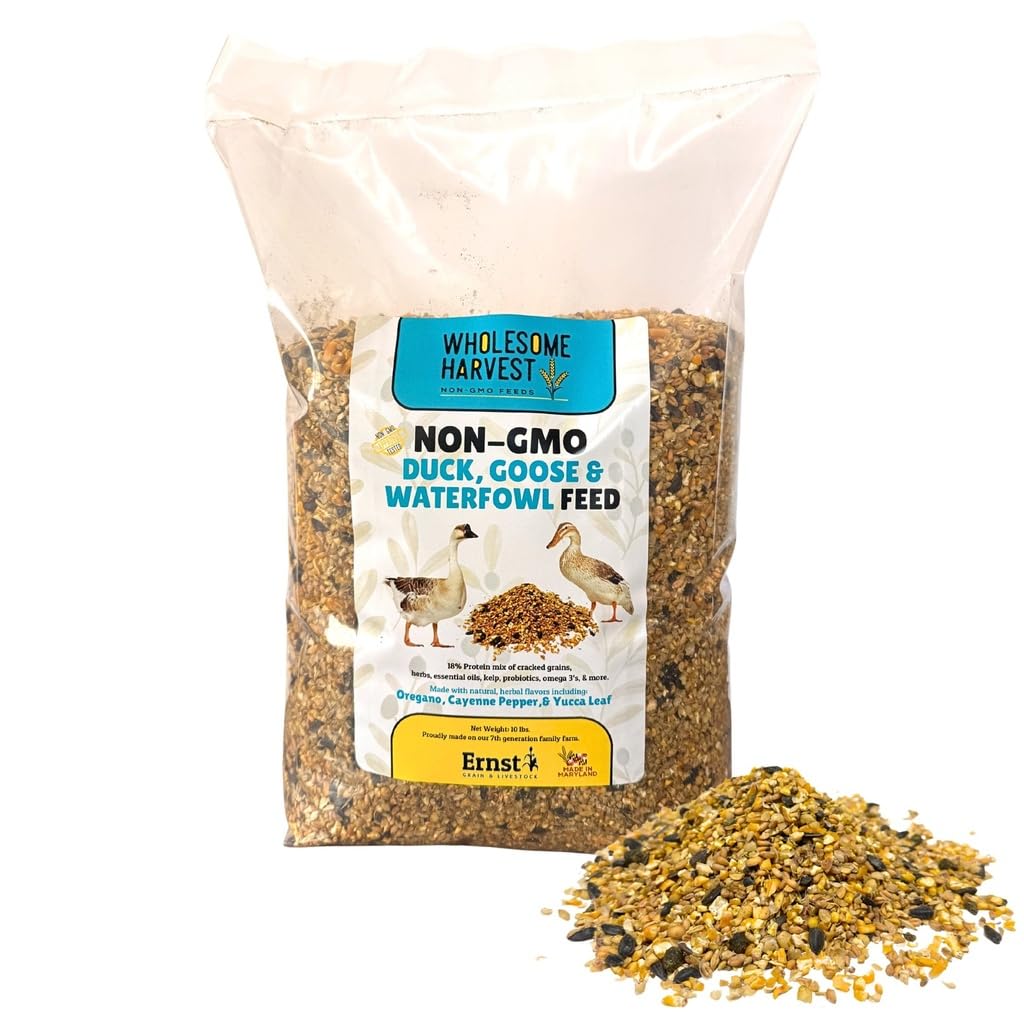
This granule-style feed offers visible, whole grains like cracked corn and sunflower seeds, appealing to ducks’ natural foraging instincts. Enhanced with live probiotics and herbs, it targets digestive and immune health for adult flocks, particularly those in a laying cycle.
Duck owners who have tried multiple feeds often highlight that their birds “eat it up” where they might ignore plain pellets, suggesting high palatability. The non-GMO commitment and inclusion of kelp and diatomaceous earth add layers of nutritional and practical benefit.
It’s a mid-tier option that bridges the gap between conventional mixes and premium organic feeds. While a rare report of quality control issues exists, the overall feedback points to a product that ducks genuinely enjoy.
Why we love it
- Whole grain composition encourages natural feeding behavior and provides mental enrichment.
- Herbal and probiotic infusion aims to support wellness from the inside out.
- Frequently cited for its palatability with ducks that are selective about their feed.
Good to know
- Granules are smaller than typical pellets, which can be less ideal for very young ducklings.
- As with any whole grain feed, store in a cool, dry place to maintain freshness and prevent pests.
9. Scratch and Peck Feeds Whole Grain Starter Mash (25 lbs)
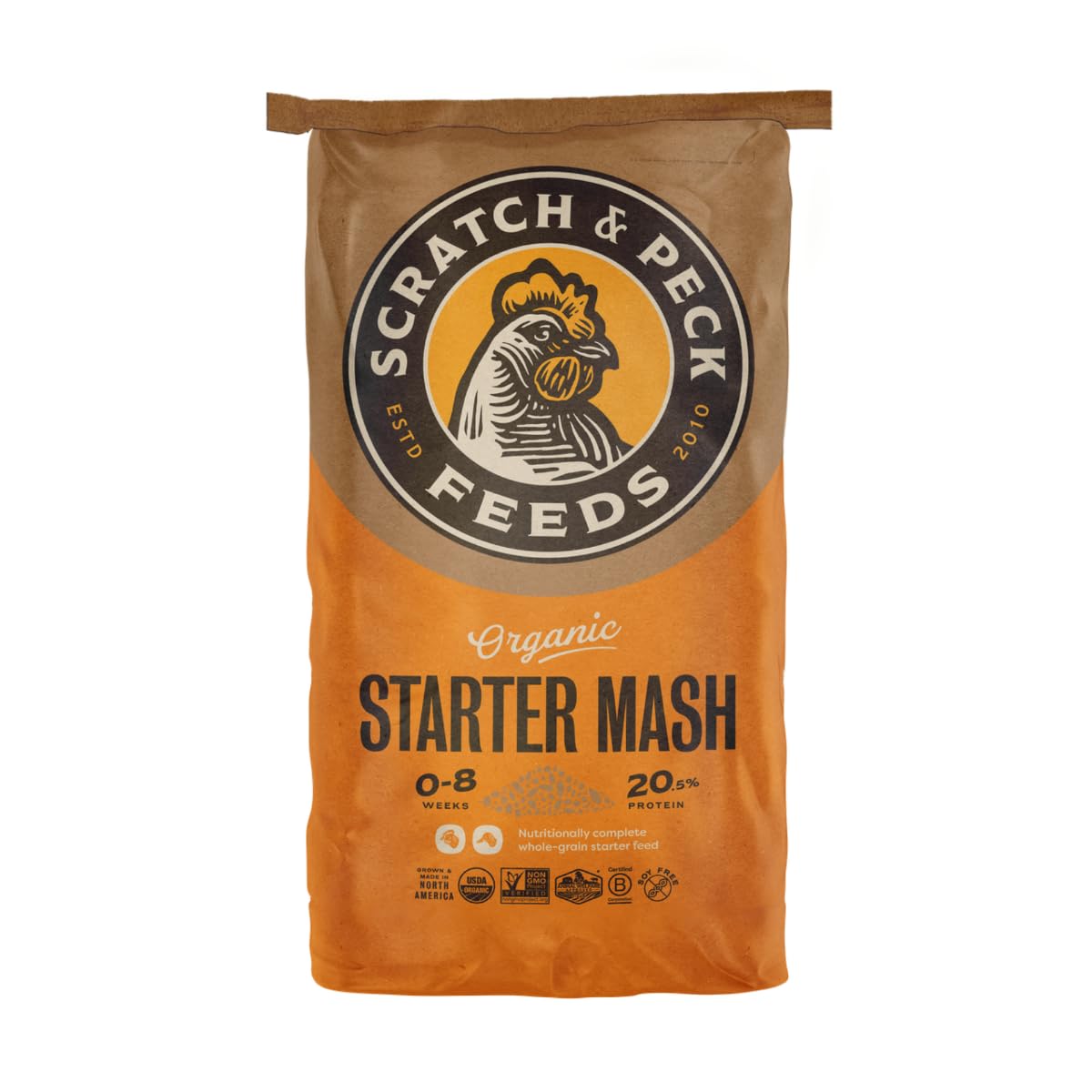
This is the larger-format sibling of our top pick, designed for keepers with bigger flocks or those who want to stock up. It delivers the same certified organic, corn-free, and soy-free nutrition that makes the smaller bag so effective, but with better value per pound for committed natural flock managers.
The 25-pound bag is a significant volume, so ensure you have proper storage to keep the mash fresh. Homesteaders appreciate the efficiency of buying in bulk, noting that it lasted “about 3 weeks with 28 chicks,” demonstrating its cost-effectiveness over time.
If you’ve already confirmed your ducklings thrive on this formula, upgrading to the bulk size is a logical and economical step. It represents a upfront investment that pays off in consistent, high-quality nutrition for your growing birds.
Why we love it
- Same premium organic ingredients as the 10lb bag, offering significant savings per feeding.
- Ideal for serious breeders or those raising multiple batches of ducklings throughout the season.
- Fermentable mash supports optimal nutrient absorption and digestive health in young birds.
Good to know
- The larger bag requires a dedicated, airtight container for storage after opening.
- The paper packaging is sturdy but not resealable, unlike some plastic-lined alternatives.
10. Purina Organic Layer Hen Feed Crumbles
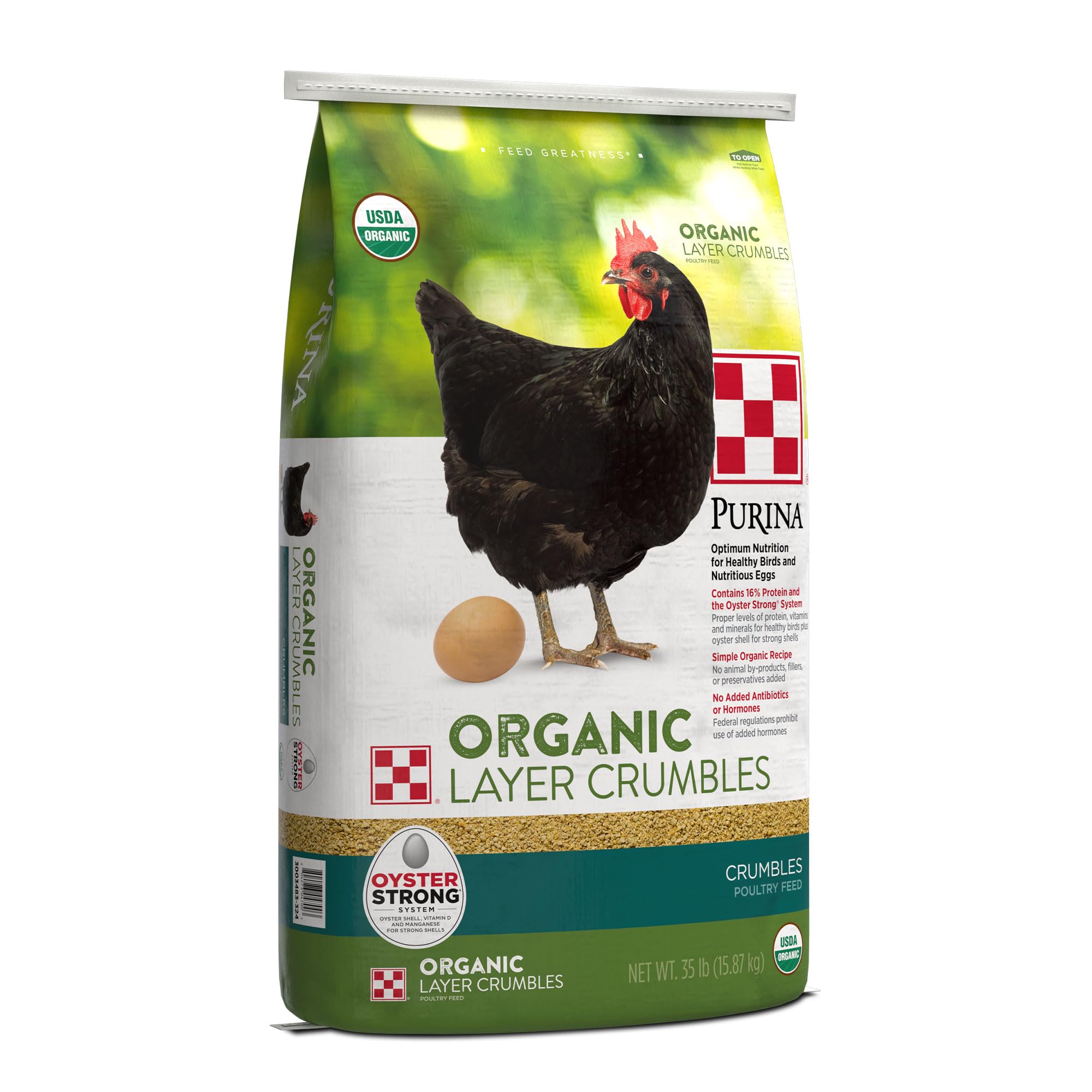
For the duck keeper who demands organic certification from a mainstream brand, this feed delivers. The crumble form is easy for ducks to eat, and the Oyster Strong System provides a steady release of calcium, which is beneficial for laying ducks to form strong eggshells.
While formulated for chickens, its organic integrity and balanced nutrition make it a viable option for ducks, especially if supplemented with additional niacin during the duckling stage. Owners using it report good egg production and hen health, valuing the trust in the Purina name.
It’s a premium-priced feed that reflects the cost of organic ingredients and certification. It’s best suited for those with a mixed flock where organic sourcing is a top priority across all species.
Why we love it
- Carries the USDA Organic seal, guaranteeing non-GMO ingredients and strict production standards.
- Unique calcium delivery system supports sustained eggshell quality throughout the lay cycle.
- Familiar brand reliability for keepers who prefer established animal nutrition companies.
Good to know
- As a chicken layer feed, it does not have elevated niacin levels essential for ducklings.
- Some batches have been noted to contain more fine dust than expected, which birds may waste.
11. Natural Waterscapes Waterfowl Feed (20 lb Bag)
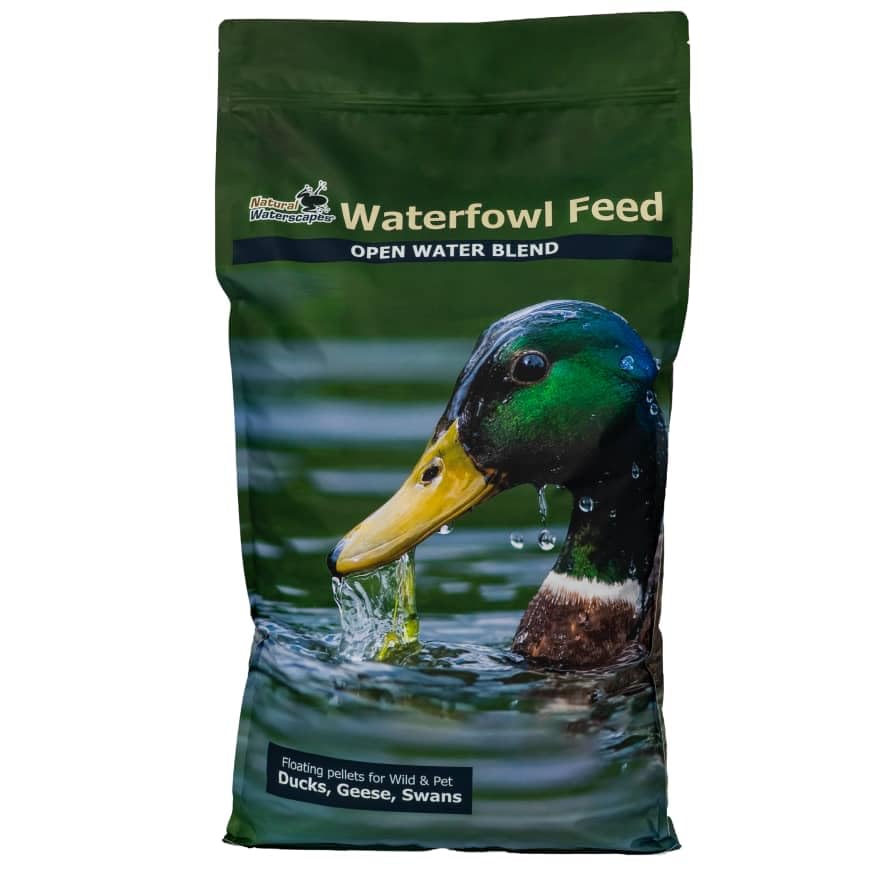
This is the high-capacity version of the excellent floating feed, designed for dedicated waterfowl enthusiasts who feed a large number of birds or visit parks and ponds regularly. The 20-pound bag offers much better value per pound, making it a more sustainable choice for frequent feeding.
It retains all the key features: pellets that float for over an hour, a formula balanced with fish meal for proper nutrition, and a design that minimizes waste in the water. Long-term duck caregivers note that it has kept their older ducks in “good health,” a testament to its complete nutritional profile.
If you’ve committed to feeding wild or resident waterfowl responsibly, this bulk bag is the most economical way to do so without resorting to unhealthy alternatives. It’s a specialized investment that pays off in the health of your local bird population and the joy of regular visits.
Why we love it
- Substantial cost savings per pound compared to the smaller 5lb bag for regular feeders.
- Delivers the same reliable floating action and balanced nutrition for ducks, swans, and geese.
- Ideal for community ponds, parks, or homes with a large resident waterfowl population.
Good to know
- The large bag requires a storage plan to keep pellets fresh and dry between uses.
- As a floating feed, it’s not intended for ducklings being raised in a dry brooder setting.
Safety & Care Tips
Store Feed Properly
Always store feed in a cool, dry place in a sealed, pest-proof container. This prevents mold growth, maintains nutrient integrity, and deters insects and rodents. Check bags for any tears or holes upon delivery.
Provide Grit & Water
Ducklings require insoluble grit (like small granite chips) to grind and digest their food in their gizzard. They also need constant access to clean, fresh water for drinking and to help wash food down—they cannot swallow well without it.
FAQ
Can I feed chicken starter to ducklings?
How long should ducklings stay on starter feed?
What is the difference between mash, crumble, and pellet?
Can I supplement feed with treats?
Final Thoughts: The Verdict
For most pet parents, the best duckling feed winner is the Scratch and Peck Starter Mash because it delivers clean, organic nutrition with the perfect protein level and is specifically designed for sensitive young birds. If you want the simplicity of one feed for your entire mixed-age flock, grab the Purina Duck Feed. And for feeding ducks on a pond or lake, nothing beats the Natural Waterscapes Floating Feed.