
The constant whir of a standard vacuum cleaner turning on mid-conversation, or the sudden roar of a budget bin emptying that wakes a sleeping child — these are the acoustic annoyances that drive homeowners toward a specifically engineered quiet model. Finding a robot vacuum that genuinely delivers powerful suction without the disruptive noise profile requires looking past the decibel claims and focusing on real-world motor engineering and system design.
I’m Mo Mahin — the founder and writer behind Furric. I’ve spent the last season cross-referencing motor specifications, analyzing owner feedback for noise frequency mentions, and studying LiDAR versus gyroscopic navigation systems to determine which quiet robot vacuums actually balance hushed operation with thorough cleaning.
After evaluating nine models ranging from well-equipped mid-range units to flagship premium systems, I’ve pulled together the data to help you decide on the best quiet robot vacuum that fits your home’s sound tolerance and deep-cleaning standards.
How To Choose The Best Quiet Robot Vacuum
Selecting a quiet robot vacuum isn’t just about the decibel rating on the box. You need to weigh the motor’s insulation class, the type of navigation that minimizes unnecessary movement, and how the self-emptying system handles debris transfer without a loud, startling event. Here are the critical factors to consider.
Motor Technology & Noise Dampening
Look for models with a brushless DC motor, which inherently runs quieter than a brushed motor. Premium units often add foam insulation around the motor housing or use a specially engineered impeller that reduces turbulence noise. A quiet vacuum doesn’t necessarily have weak suction — a well-designed 6,000 Pa motor can be acoustically superior to a poorly insulated 10,000 Pa unit. Reading owner reviews for phrases like “whisper quiet” versus “still audible” provides real-world verification.
Navigation System: LiDAR vs. Gyroscopic vs. Camera
LiDAR navigation is the gold standard for quiet operation because the robot maps the room in one quick pass and then cleans in orderly rows without bumping into obstacles repeatedly. Gyroscopic models tend to drift and bounce off furniture, creating a staccato of impacts that increases noise. Camera-based systems can be quiet, but they struggle in low light, potentially causing hesitation and extra movement. For a truly silent experience, LiDAR is the clear choice.
Self-Emptying Base Noise Levels
The convenience of a self-emptying base is undeniable, but the mechanism that vacuums debris from the robot’s bin into the station bag creates a sudden, loud burst of air — often as loud as a standard upright vacuum. Some brands (like iRobot with newer firmware) have introduced “quiet emptying” modes that reduce fan speed. Others offer larger dust bags requiring fewer empty cycles overall, reducing the frequency of noise events. Evaluate whether daily emptying bursts or a weekly manual dump is less disruptive for your household.
Quick Comparison
On smaller screens, swipe sideways to see the full table.
| Model | Category | Best For | Key Spec | Amazon |
|---|---|---|---|---|
| DREAME L10s Ultra Gen 2 | Premium | Hands-off mopping + low noise | 10,000 Pa suction | Amazon |
| MOVA V50 Ultra Complete | Premium | Obstacle climbing & hot water mop cleaning | 24,000 Pa suction | Amazon |
| roborock Qrevo Edge 2 | Premium | Slim profile for low furniture | 3.14 in height | Amazon |
| iRobot Roomba Plus 504 | Mid-Range | Brand reliability & pet hair | 210 min battery | Amazon |
| Shark Navigator RV2120AE | Mid-Range | Bagless self-emptying | 60-day capacity | Amazon |
| Airzeen Q10 Pro | Mid-Range | Budget LiDAR with self-emptying | 6,000 Pa suction | Amazon |
| uninell Robot Vacuum | Mid-Range | Extra-long 180 min runtime | 7,000 Pa suction | Amazon |
| Tikom L8000 Plus | Budget | Entry-level self-emptying | 90-day capacity | Amazon |
| Shark Navigator AV2110S | Budget | Hard floor focused | 30-day capacity | Amazon |
In‑Depth Reviews
1. DREAME L10s Ultra Gen 2

The DREAME L10s Ultra Gen 2 hits a sweet spot where quiet operation meets genuine hands-free cleaning. Its 10,000 Pa Vormax Suction is more than capable of deep-cleaning medium-pile carpets, and multiple user reviews specifically note how quietly it runs even during intensive cycles. The DuoScrub mopping system adds a rotary scrubbing action that stays discreet enough to run while you work from home.
Its all-in-one base station handles auto-emptying (up to 75 days), mop washing, and warm-air drying — all without the jarring noise spike typical of competing stations. The 5,200 mAh battery delivers up to 240 minutes of runtime in Standard Mode, enough to cover 2,500 square feet in a single charge. Owners consistently report that the robot navigates without bumping, and its obstacle avoidance is reliable enough to avoid tangling in cords.
The package includes a ramp extension plate for thresholds up to 0.8 inches, and the app control with Smart Plan 3.0 lets you schedule quiet-time cleaning effortlessly. The only minor caveat is that the 4.5-liter water tank makes the base station larger than some competitors, requiring dedicated floor space.
Why we love it
- Exceptional battery life for large homes
- Very quiet motor even at max suction
- Auto-carpet boost ramps suction without loud pre-notification
Good to know
- Base station footprint is substantial
- Mop pads require periodic replacement
- App setup requires 2.4 GHz network
2. MOVA V50 Ultra Complete

The MOVA V50 Ultra Complete is a powerhouse that somehow maintains a low acoustic footprint. Its 24,000 Pa suction — among the highest in this lineup — doesn’t translate to an intrusive hum thanks to triple anti-tangle mechanisms and a well-insulated motor housing. The FlexiRise Navigation system retracts the LiDAR sensor tower when it detects low clearance, allowing the unit to glide under sofas and bed frames without rattling against the crossbars.
The StepMaster system with extendable wheels lets the V50 climb thresholds up to 2.28 inches, a rare capability that eliminates the need for physical ramps in most homes. Owners describe the mopping function — which uses 176°F hot water self-cleaning — as nearly silent apart from the soft spray of water. The 220-minute battery ensures it can cover large ground floor plans without needing a mid-cleaning recharge and resume cycle.
The base station includes a JetSpray Dryboard with 20 nozzles that clean the mop pads evenly, and hot air drying prevents mildew odors. The only negative trend in feedback involves an occasional side door dumping issue on some units, though Mova’s customer support has been responsive with replacements.
Why we love it
- Very quiet for a 24,000 Pa machine
- Exceptional threshold climbing ability
- Hot water mop self-cleaning is hygienic and silent
Good to know
- Heavy unit at 14.2 kg
- Side door dumping issue reported by some owners
- High price point for budget-conscious buyers
3. roborock Qrevo Edge 2
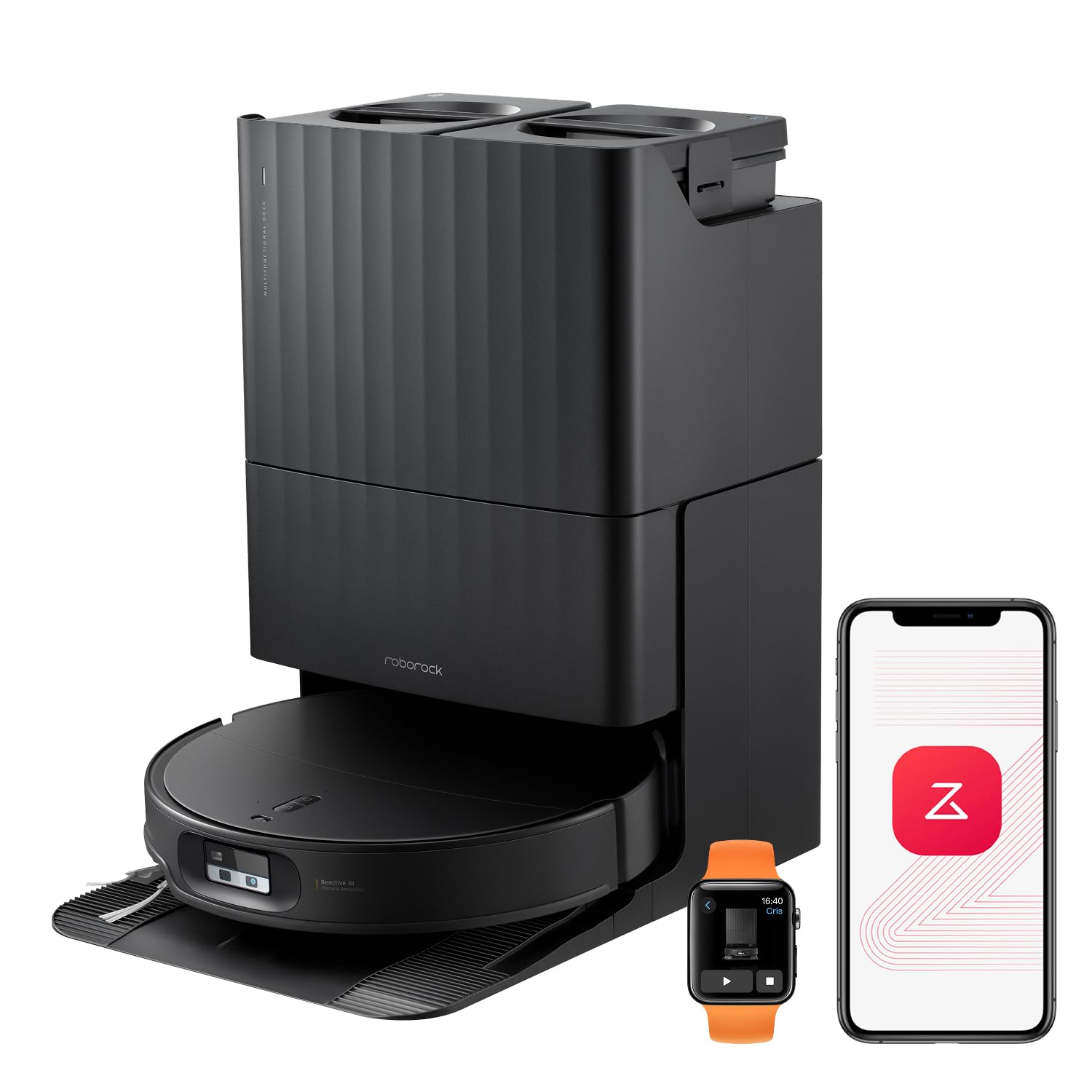
The roborock Qrevo Edge 2 is engineered for homes where low-clearance furniture is the norm. At just 3.14 inches tall, it slides under most sofas and platform beds without scraping, reducing the scratching noises that taller robots create. Its RetractSense Navigation physically lowers the LDS tower when overhead space is tight, maintaining navigation accuracy without the clatter of a fixed sensor hitting the furniture bottom.
The 25,000 Pa HyperSuction is the highest on this list, yet user reviews consistently describe its operation as quiet — several owners upgrading from older Roomba models noted a significant reduction in overall household noise. The FlexiArm Arc Side Brush extends to clean edges and corners, meaning fewer bump-backs to align with walls. The base station uses 176°F hot water for mop washing and 131°F warm air drying, both of which operate with a low mechanical hum rather than a high-pitched whine.
Owners appreciate the Smart Plan 3.0 adaptive scheduling that automatically reduces suction during Do-Not-Disturb hours. The recharge and resume behavior is smooth, with the robot docking quietly rather than slamming into the base. The main compromise is the price, which sits at the luxury end of the spectrum.
Why we love it
- Ultra-slim profile eliminates scraping and bumping sounds
- Smart Plan 3.0 auto-quiets during rest hours
- Edge cleaning without constant repositioning
Good to know
- Premium price for top-tier features
- Large 27 lb base station footprint
- Can tangle in loose cords if not prepped
4. iRobot Roomba Plus 504
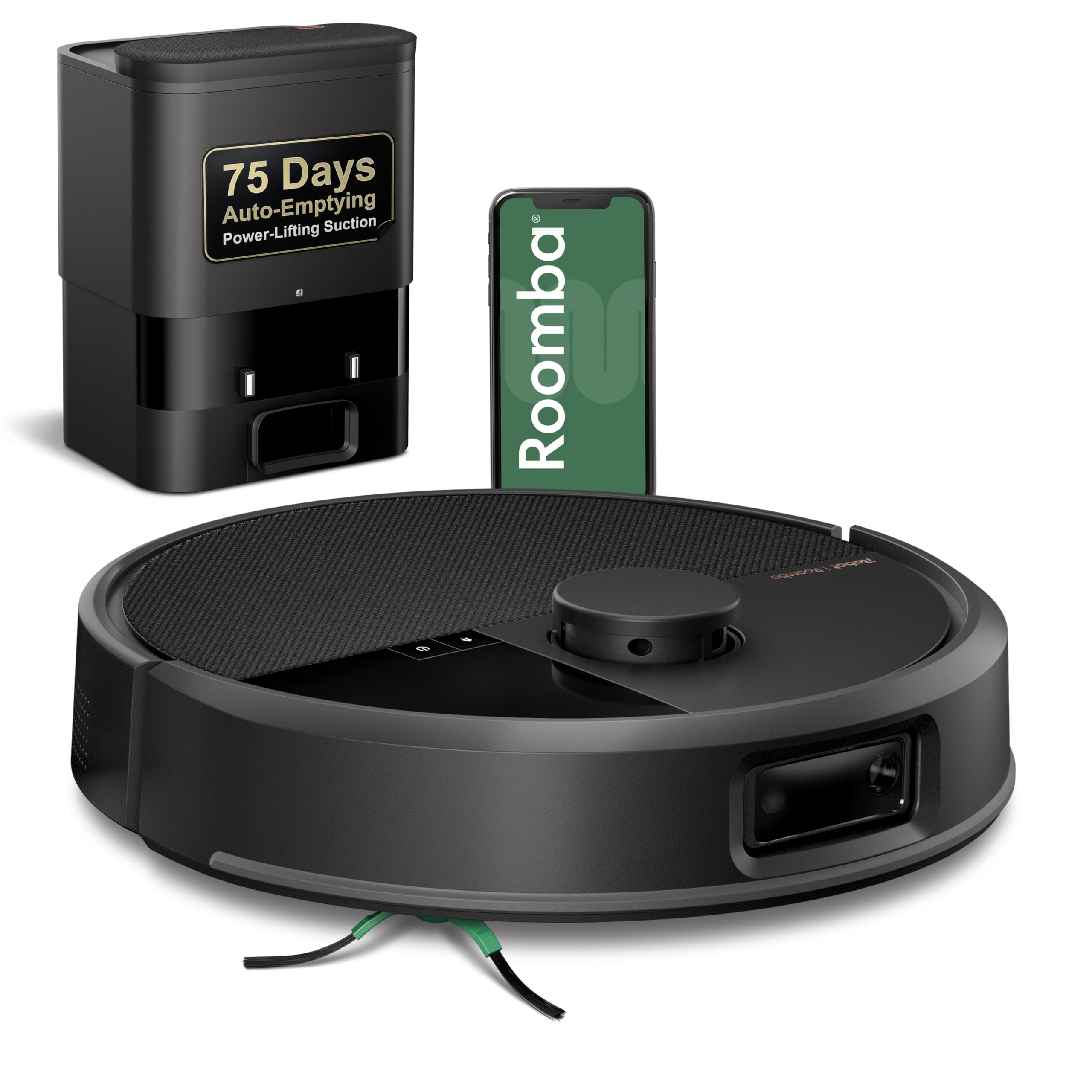
The Roomba Plus 504 leverages iRobot’s extensive engineering history to deliver a quiet cleaning experience. Its ClearView Pro LiDAR maps homes quickly, and the PrecisionVision AI prevents the repetitive bumping that older iRobot models were notorious for. The anti-tangle Dual Rubber Brushes actively flex to avoid hair wrap, reducing the high-pitched grinding noise that occurs when hair binds around brushroll bearings.
The AutoEmpty Dock traps debris down to 0.7 microns in a sealed bag, and iRobot’s firmware includes a quieter emptying profile that slows the fan speed — a feature many competitors lack. The battery provides 210 minutes of runtime, enough to clean 2,000 square feet without needing a mid-run charge. Owners note that the robot self-empties automatically, but the base does so with a lower-pitched whoosh rather than a sharp screech.
The included dirt detect technology picks up fine dust and pet dander, making it a strong choice for allergy sufferers who need a vacuum that won’t kick up allergens audibly. The app, while redesigned, received some criticism for a less intuitive interface than previous versions. A small fraction of users reported LiDAR getting confused in open rooms with glass walls or dark rugs.
Why we love it
- Very quiet emptying mode available
- Excellent hair wrap prevention reduces grinding noise
- Long runtime for large floor plans
Good to know
- New app interface has a learning curve
- LiDAR can struggle with highly reflective surfaces
- Single map limitation
5. Shark Navigator RV2120AE

The Shark Navigator RV2120AE offers a bagless self-emptying base with up to 60 days of capacity — a practical advantage for households that want to avoid buying extra dust bags. Its Spot LiDAR navigation maps the home and cleans in a row-by-row pattern, reducing the random bouncing noise that makes some robots feel invasive. The self-cleaning brushroll is designed to prevent hair wrap, keeping the motor load consistent and the operating volume low.
Owners consistently note that this model is quieter than the previous generation Shark ION robots, with a more refined motor pitch that doesn’t irritate during a mid-day cleaning session. The anti-hair wrap engineering extends to the side brush, which is a common noise point on other models when hair wraps around the attachment point. The recharge and resume function is smooth, though some reviewers point out that the battery takes a full 3 hours to recharge — meaning if your home is very large, the robot may take most of the day to finish.
The included pre-motor filter captures dander and larger particles before they reach the motor, contributing to both motor longevity and quieter operation. The bagless bin door on the dock is designed to be easy to clean, but it is not transparent, so you cannot visually assess how full it is without opening it. The rubber brushroll is also a replacement part that may be tricky to source locally.
Why we love it
- Bagless self-emptying saves ongoing costs
- Refined motor pitch is less irritating than earlier models
- Excellent on hard floors with minimal bumping
Good to know
- Long 3-hour recharge may interrupt large home cleaning
- Performs poorly on medium to high-pile carpet
- Replacement parts can be difficult to find
6. Airzeen Q10 Pro

The Airzeen Q10 Pro packs LiDAR navigation and a self-emptying station into a surprisingly affordable package. Its 6,000 Pa suction is well-suited for maintaining hard floors and low-pile carpets, and multiple owners report that the robot operates at a whisper-quiet level even at standard suction settings. The 360° LiDAR and SLAM technology create accurate home maps, allowing the robot to clean efficiently without the noisy trial-and-error navigation of gyroscopic systems.
The self-emptying station holds up to 60 days of debris, and the emptying cycle itself is not unusually loud — several reviews compared it favorably to the sharp suction sound of base stations on more expensive brands. The 150-minute battery covers around 2,000 square feet, and the auto-charge and resume function works reliably. The included three washable mop pads and three spare filters add to the long-term value, reducing the need for frequent restocking.
Owners appreciate the carpet detection feature, which automatically increases suction by 15% when transitioning from hard floor to carpet — and the motor ramps up gradually rather than suddenly, avoiding a startling noise spike. The only recurring criticism is that the side brushes can sometimes miss tight corners, requiring the occasional manual spot clean on the baseboards.
Why we love it
- Affordable entry point for LiDAR + self-emptying
- Quiet operation at standard suction levels
- Generous accessory pack included
Good to know
- Corner cleaning could be more thorough
- Mop is a stationary pad — no scrubbing action
- App connectivity requires 2.4 GHz network
7. uninell Robot Vacuum
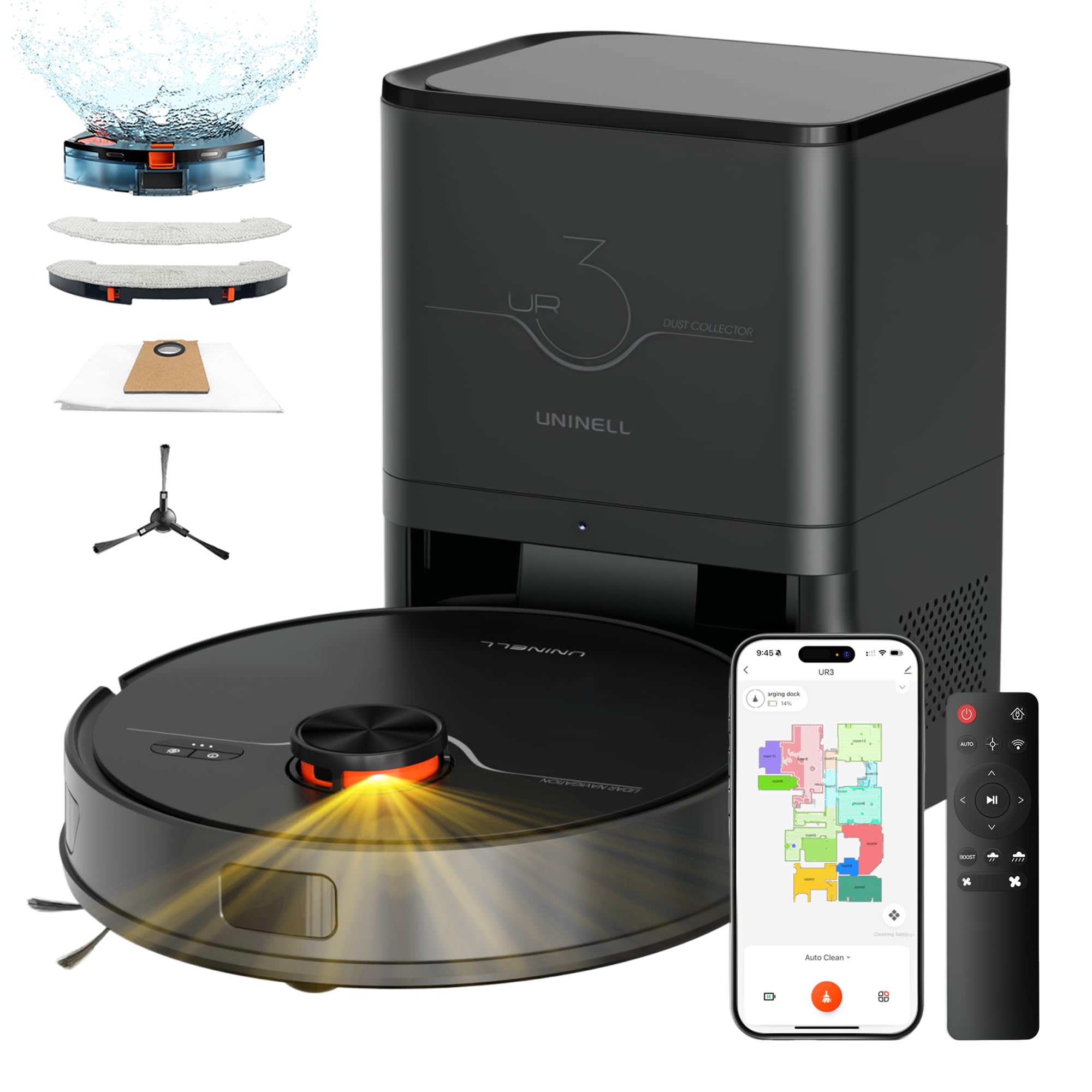
The uninell Robot Vacuum stands out for its 180-minute runtime and 7,000 Pa suction, a combination that allows it to clean up to 2,000 square feet in a single pass. Owners repeatedly describe its noise level as comparable to a running refrigerator — quiet enough to operate during sleep hours without disturbance. Its 360° LiDAR laser mapping creates accurate multi-floor maps (up to five), and the robot cleans methodically without bumping into furniture.
The 3.5-liter self-emptying station holds up to 90 days of debris, drastically reducing the frequency of loud emptying events. The tangle-free brush design actively prevents hair from wrapping around the roller, which eliminates the grinding sound that occurs when hair binds the bearings. The remote control included is a thoughtful addition for elderly users who prefer not to rely on smartphone apps.
The auto-carpet boost ramps suction instantly when the robot transitions from tile to carpet, but the sensor trigger is gentle enough that it doesn’t create a jarring noise change. The main downside reported by owners is that the stationary mop pad is only suitable for light damp mopping — it won’t scrub sticky spills. Some users also noted that hair still wraps around the roller occasionally, requiring manual cleanup every few cleaning cycles.
Why we love it
- Extremely quiet — comparable to a refrigerator
- 90-day self-emptying capacity
- Includes remote control for app-free operation
Good to know
- Mop is passive — does not scrub stains
- Occasional hair wrap on roller
- Does not clean corners completely
8. Tikom L8000 Plus
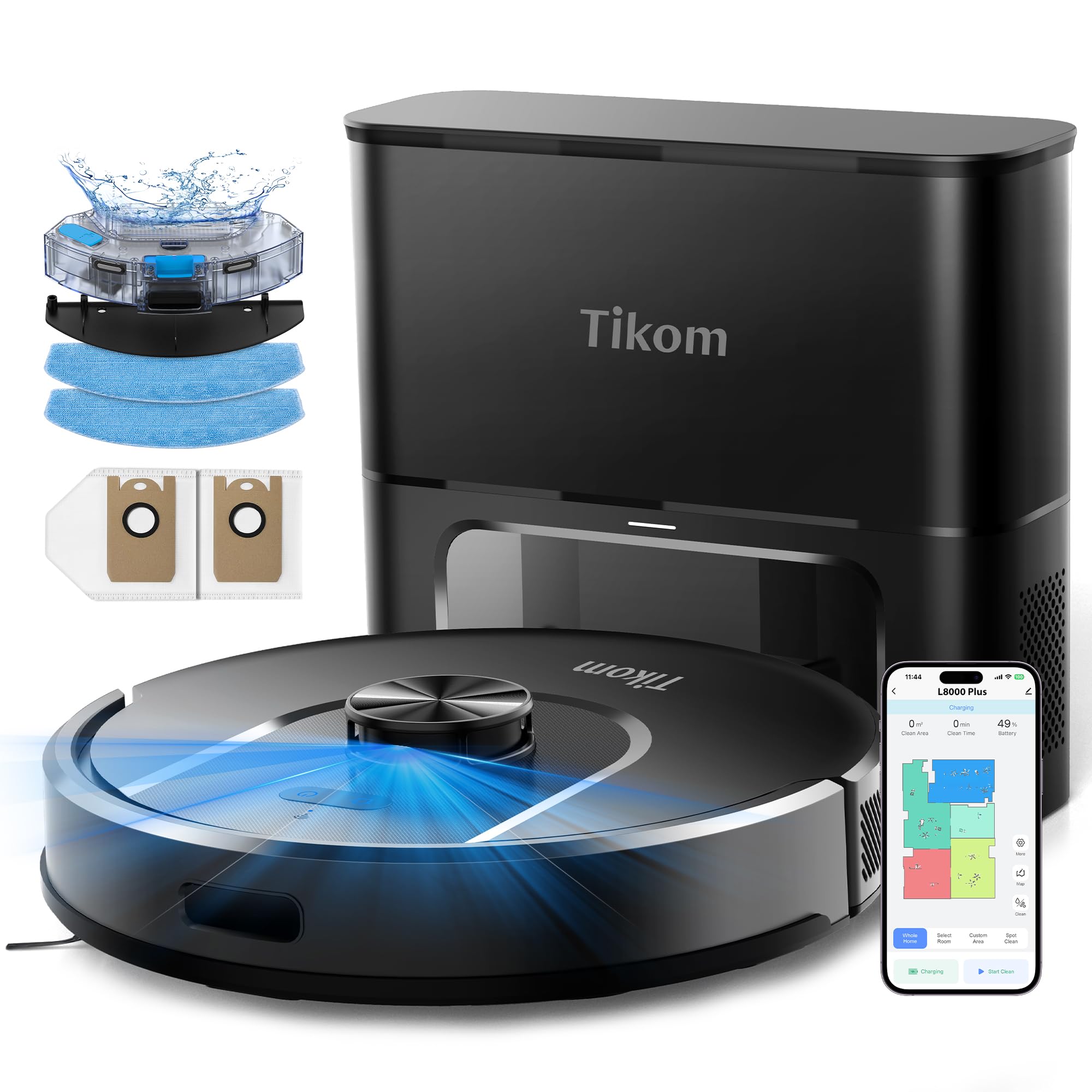
The Tikom L8000 Plus is a budget-friendly entry into the self-emptying LiDAR category. Its 6,000 Pa suction, while not the highest on this list, is adequate for daily maintenance of hard floors and low-pile carpets, and owners describe the motor as surprisingly quiet for its price tier. The 3-liter self-emptying dustbag holds up to 90 days of debris, meaning the loud emptying event is rare enough to plan around your schedule.
The 360° LiDAR navigation creates accurate home maps, and the no-go zone feature is easy to set up through the app. The 150-minute battery covers the majority of medium-sized homes, and the auto-charge and resume function ensures the robot can finish the job without a manual restart. Owners consistently note that the robot does not bump into furniture aggressively, which contributes to a quieter overall cleaning cycle.
The 2-in-1 sweeping and mopping system works well for dry debris, but the mop function is basic — the mop pad clips on and drags behind, making it unsuitable for cleaning large spills. A few reviewers also noted that the water reservoir can leak if the mop holder is not removed before the robot docks, which can create a slippery spot near the base.
Why we love it
- Very quiet motor for the price range
- 90-day self-emptying keeps noise events rare
- LiDAR navigation is precise and bump-free
Good to know
- Mop performance is basic — no scrubbing
- Water reservoir may leak near dock if mop left attached
- Suction not sufficient for deep carpet cleaning
9. Shark Navigator AV2110S
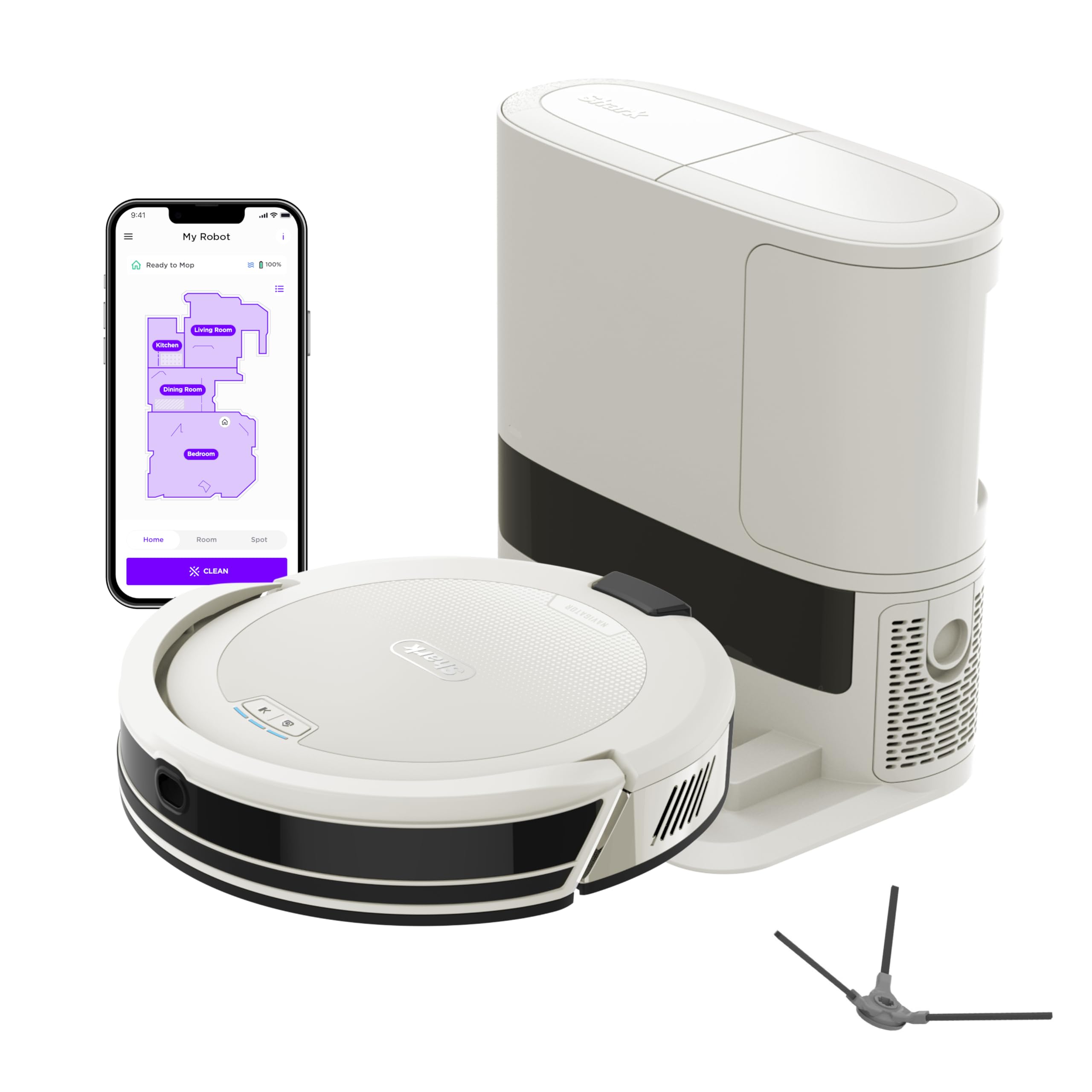
The Shark Navigator AV2110S is a solid entry-level robot vacuum that performs exceptionally well on hard floors. Its SmartPath LiDAR navigation maps rooms efficiently, and the row-by-row cleaning pattern reduces the random bumping that creates noise. The bagless self-emptying base holds 30 days of debris, which means the emptying event occurs about once a month — manageable for most households.
The anti-hair wrap brushroll prevents tangles, which in turn keeps the motor running smoothly without the periodic whining sound of a brush fighting against wound hair. Owners with pets of the short-haired variety report that the vacuum picks up hair effectively without needing to be stopped for maintenance mid-cleaning. The 120-minute battery is sufficient for apartments and single-level homes up to 1,500 square feet.
The app integration and voice control features work well for scheduling, and the recharge and resume function is reliable. The most common critique from owners is that the robot struggles significantly on any carpet type beyond low-pile — owners report that it fails to deep clean and sometimes even drags on deeper carpet, producing a dragging sound. Additionally, the single rotating brush limits edge cleaning compared to dual-brush designs.
Why we love it
- Excellent on hard floors with minimal noise
- Anti-hair wrap brushroll prevents grinding noises
- Bagless self-emptying saves on consumables
Good to know
- Performs poorly on medium and high-pile carpets
- Single rotating brush misses some corner debris
- Battery recharge takes 3 hours
FAQ
What decibel level is considered quiet for a robot vacuum?
Does higher suction always mean louder operation?
Why does my robot vacuum make a grinding noise on carpet?
How often should I empty the self-emptying base to keep it quiet?
Can I schedule my quiet robot vacuum to clean while I sleep?
Final Thoughts: The Verdict
For most homes, the quiet robot vacuum that offers the best balance of hushed operation and comprehensive cleaning is the DREAME L10s Ultra Gen 2 because its engineering keeps noise low even with 10,000 Pa of suction, and the base station’s warm-air drying and long battery life minimize disruptive events. If you need the absolute strongest suction and can handle a premium price, grab the MOVA V50 Ultra Complete for its 24,000 Pa performance and impressive threshold climbing. And for the budget-conscious who still want LiDAR navigation and a self-emptying base, the Airzeen Q10 Pro delivers quiet operation without breaking the bank.