
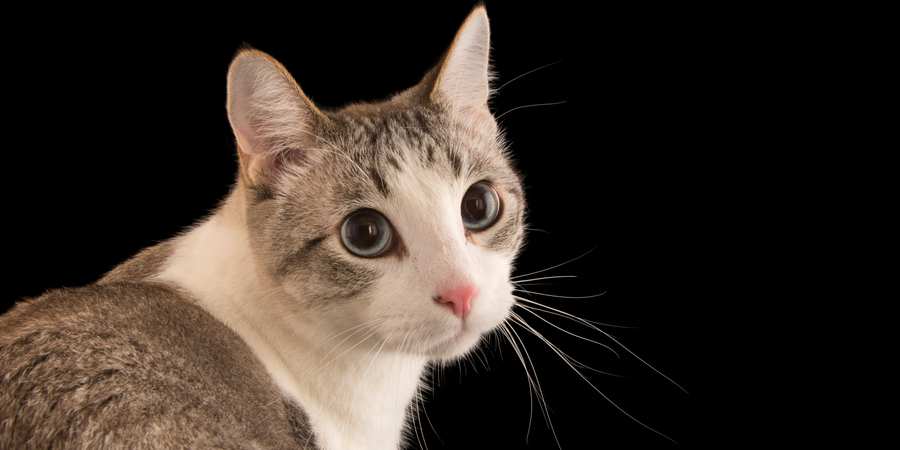
Overfeeding a cat can indeed lead to diarrhea, as it disrupts their digestive system and causes gastrointestinal upset.
Cats are curious creatures, often exhibiting behaviors that puzzle their owners. One common concern that arises is the impact of overfeeding on a cat’s health. The question, “Can overfeeding a cat cause diarrhea?” isn’t just about the immediate aftermath of a cat’s meal; it’s about understanding feline digestion, nutrition, and overall well-being. Cats have specific dietary needs, and deviating from these can lead to various health issues.
The Feline Digestive System Explained
Understanding how a cat’s digestive system works is crucial in addressing the question of overfeeding. Cats are obligate carnivores, meaning their bodies are designed to process animal proteins rather than carbohydrates or fillers found in many commercial pet foods. Their digestive tract is relatively short compared to omnivores like dogs or humans, which means they digest food quickly.
The journey of food begins in the mouth, where it’s chewed and mixed with saliva. From there, it travels down the esophagus into the stomach, where gastric juices break it down further. The small intestine absorbs nutrients, while the large intestine reabsorbs water and forms waste. If any part of this process is disrupted—such as by overfeeding—it can lead to diarrhea.
The Role of Diet in Cat Health
Diet plays a pivotal role in maintaining a cat’s health. A balanced diet tailored to their specific needs helps ensure optimal digestion and nutrient absorption. High-quality protein sources should be prioritized while avoiding excessive fillers like corn or soy. Overfeeding can introduce too much of any nutrient at once, overwhelming the cat’s digestive system.
Additionally, sudden changes in diet can also lead to gastrointestinal upset. For example, if a cat is used to dry kibble and suddenly receives wet food or human food as treats, it may not handle the transition well. This change can disrupt its gut flora—a balance of microorganisms crucial for digestion—and lead to diarrhea.
Common Causes of Diarrhea in Cats
While overfeeding is one potential cause of diarrhea in cats, several other factors can contribute as well:
1. Dietary Changes: As mentioned earlier, abrupt changes in diet can upset a cat’s stomach.
2. Food Intolerance or Allergies: Some cats may develop intolerances or allergies to certain ingredients.
3. Parasites: Intestinal parasites like worms can cause significant digestive issues.
4. Infections: Bacterial or viral infections may result in diarrhea.
5. Stress: Changes in environment or routine can lead to stress-induced gastrointestinal issues.
6. Medical Conditions: Underlying health problems such as inflammatory bowel disease (IBD) may also present with diarrhea.
Understanding these factors helps clarify why monitoring what and how much a cat eats is essential for its health.
How Overfeeding Affects Digestion
Overfeeding leads to an excess intake of calories that a cat cannot efficiently process at once. This excess food creates an overload on the digestive system, often resulting in undigested food passing through too quickly—hence causing diarrhea.
When cats consume more than they need for energy expenditure and metabolic function, their bodies struggle to break down all that food effectively. The stomach becomes distended with food that ferments rather than digesting properly. This fermentation produces gas and other byproducts that irritate the intestines.
Moreover, when a cat eats too much at once, it may not chew its food adequately—especially if it’s overly excited about mealtime! This leads to larger pieces entering the digestive tract that are harder for enzymes to break down effectively.
Recognizing Signs of Overfeeding
Identifying whether a cat has been overfed requires keen observation of its behavior and physical condition:
- Weight Gain: An increase in weight over time can indicate overconsumption.
- Frequent Vomiting: Cats may vomit if they eat too quickly due to an overly full stomach.
- Diarrhea: Loose stools are often one of the first signs owners notice.
- Lethargy: A decrease in energy levels may occur if a cat feels unwell from overeating.
- Changes in Appetite: An increase in hunger might prompt owners to feed more than necessary.
Being vigilant about these signs allows for early intervention before more severe health issues arise.
Feeding Guidelines for Cats
Establishing proper feeding routines is essential for preventing overfeeding and its consequences:
1. Portion Control: Measure out daily portions based on your cat’s weight and activity level using guidelines provided on pet food packaging or veterinary advice.
2. Scheduled Feeding Times: Instead of free-feeding (leaving food out all day), establishing set meal times encourages better eating habits.
3. High-Quality Food Choices: Invest in high-quality commercial diets formulated specifically for cats rather than cheaper brands filled with fillers and preservatives.
4. Regular Vet Check-ups: Routine veterinary visits help monitor weight changes and overall health while providing tailored dietary recommendations based on individual needs.
5. Limit Treats: Treats should only make up about 10% of daily caloric intake; otherwise, they contribute significantly toward overconsumption.
By adhering to these guidelines consistently, many issues related to overeating—including diarrhea—can be avoided.
What To Do If Your Cat Experiences Diarrhea
If diarrhea occurs despite taking precautions against overfeeding, swift action is necessary:
1. Monitor Hydration: Ensure your cat has constant access to fresh water; dehydration is a significant risk with diarrhea.
2. Withhold Food Temporarily: Allowing the digestive system some rest by withholding food for 12–24 hours (but not water) can help reset things.
3. Introduce Bland Diets Gradually: After fasting, introduce bland foods like boiled chicken or rice gradually before returning them back onto regular meals.
4. Consult Your Veterinarian: If diarrhea persists beyond 24 hours or presents additional symptoms (like vomiting), veterinary consultation becomes critical; underlying conditions may need addressing.
Taking proactive steps helps mitigate risks associated with feline digestive distress while ensuring overall well-being remains intact.
The Importance of Understanding Cat Nutrition
A solid grasp on feline nutrition goes hand-in-hand with preventing issues related to overeating and subsequent gastrointestinal disturbances like diarrhea:
- Cats require specific nutrients tailored toward their biological needs; protein should always be prioritized while limiting carbohydrates.
- Reading ingredient labels carefully helps avoid foods containing potentially harmful fillers or allergens that could contribute toward digestive upset.
- Consulting with veterinarians regarding dietary choices ensures you’re making informed decisions aligned with your pet’s unique requirements.
By prioritizing nutrition knowledge along with portion control strategies discussed earlier will yield long-term benefits toward maintaining optimal feline health!
Conclusion – Can Overfeeding A Cat Cause Diarrhea?
In summary, yes—overfeeding a cat can indeed cause diarrhea due primarily to disruptions within its delicate digestive system caused by excessive intake at once leading towards fermentation processes rather than effective breakdown!
Recognizing signs early allows responsible pet owners ways towards ensuring healthy feeding habits through portion control alongside high-quality nutrition choices tailored specifically towards feline needs while monitoring any changes closely ensures long-term wellness remains intact!
Taking these steps not only helps prevent immediate issues like loose stools but fosters overall better health outcomes throughout life stages ahead!