
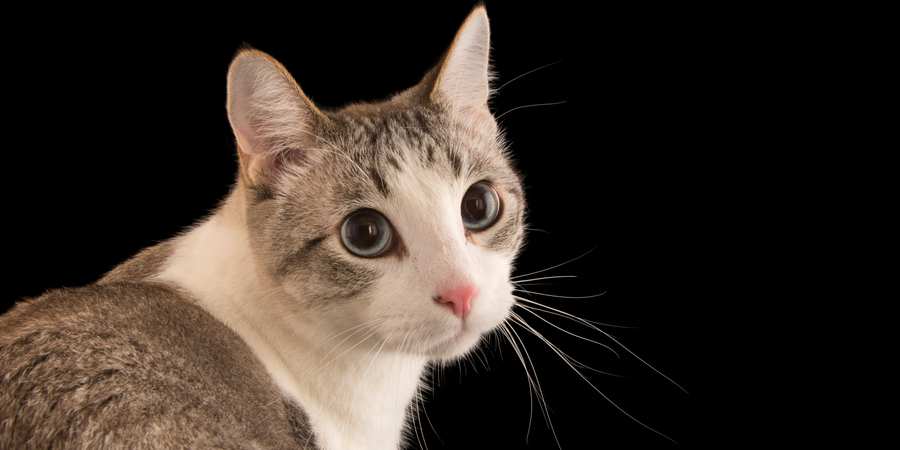
While some human probiotics may be safe for cats, it’s best to consult a veterinarian before introducing them.
The Role of Probiotics in Animal Health
Probiotics are often hailed as the heroes of gut health. They’re live microorganisms that, when consumed in adequate amounts, confer a health benefit to the host. This concept isn’t new; probiotics have been used in various forms for centuries, primarily in human diets. However, the use of probiotics in veterinary medicine is gaining traction, especially among cat owners seeking natural remedies for digestive issues. Cats, like humans, can suffer from gastrointestinal problems such as diarrhea, constipation, and bloating. Probiotics can help restore the balance of good bacteria in their gut.
The feline digestive system is unique and complex. Cats are obligate carnivores, meaning their diet primarily consists of meat. However, they also require certain fibers and nutrients that can sometimes be lacking in commercial cat food. This is where probiotics come into play. By introducing beneficial bacteria into a cat’s system, it’s possible to enhance digestion and overall health.
Understanding Human vs. Cat Probiotics
When considering whether to give human probiotics to cats, it’s crucial to understand the differences between human and feline probiotics. Human probiotics are formulated for the human digestive system and might not provide the same benefits or safety for cats. The strains of bacteria that thrive in a human gut may not be effective or suitable for a cat’s digestive system.
Cat-specific probiotics are designed with strains that cater to feline biology. These products often contain beneficial bacteria like Lactobacillus acidophilus and Bifidobacterium animalis that have been shown to support feline health effectively. They also come in forms that are more palatable for cats, such as powders or treats.
Common Probiotic Strains for Cats
Here’s a brief overview of some common probiotic strains found in feline supplements:
| Probiotic Strain | Benefits |
|---|---|
| Lactobacillus acidophilus | Helps with digestion and nutrient absorption. |
| Bifidobacterium animalis | Supports immune function and gut health. |
| Enterococcus faecium | Aids in restoring gut flora after antibiotic use. |
| Saccharomyces boulardii | Helps prevent diarrhea and supports overall gut health. |
These strains have been studied more extensively in felines than many human strains, making them a safer choice when considering probiotic supplementation.
Potential Benefits of Probiotics for Cats
The potential benefits of probiotics for cats are numerous. Many cat owners report improvements in their pets’ digestive health after introducing these supplements into their diets. Here are some noteworthy advantages:
1. Improved Digestion: Probiotics can enhance nutrient absorption and alleviate issues such as gas or bloating.
2. Stronger Immune System: A healthy gut flora contributes significantly to a robust immune response.
3. Reduction of Diarrhea: Studies have shown that specific probiotic strains can reduce the severity and duration of diarrhea caused by various factors.
4. Support During Antibiotic Treatment: Antibiotics can disrupt the natural balance of gut bacteria; probiotics help restore this balance post-treatment.
5. Alleviation of Allergies: Some research suggests that probiotics may help reduce allergic reactions by modulating immune responses.
6. Behavioral Improvements: There’s emerging evidence linking gut health with mental well-being; better digestion might even lead to improved behavior in anxious cats.
While these benefits sound promising, it’s essential to approach probiotic supplementation with caution—especially when considering human products for feline consumption.
Risks Associated with Giving Human Probiotics to Cats
Despite the potential advantages, there are inherent risks involved when giving human probiotics to cats without veterinary guidance:
- Inappropriate Strains: As mentioned earlier, not all probiotic strains are suitable for felines. Some may even cause adverse reactions.
- Dosage Issues: The concentration of live bacteria varies significantly between human and cat formulations. What’s safe for humans might be too potent for cats.
- Additives and Ingredients: Many human probiotic products contain ingredients like sweeteners or flavorings that could be harmful or unpalatable to cats.
- Underlying Health Conditions: Cats with specific health issues may react differently to probiotics than healthy ones would.
Given these risks, consulting with a veterinarian is crucial before introducing any kind of supplement into a cat’s diet.
Consulting Your Veterinarian
Before making any decisions about giving your cat human probiotics—or any supplement—it’s wise to consult with a veterinarian who understands your pet’s unique needs and medical history. They can provide tailored recommendations based on your cat’s specific condition and dietary requirements.
Veterinarians may suggest conducting tests or evaluations if your cat has ongoing digestive issues before recommending any probiotic treatment plan. They might also recommend specific brands known for their safety and effectiveness in feline care.
It’s essential not just to rely on anecdotal evidence from other pet owners regarding what worked for them; each cat is different!
Signs Your Cat May Need Probiotics
Identifying whether your cat could benefit from probiotics involves observing certain signs:
- Frequent Vomiting or Diarrhea: If your cat experiences these symptoms regularly, it might indicate an imbalance in gut flora.
- Loss of Appetite: A sudden decrease in appetite could signal digestive distress.
- Weight Loss or Poor Coat Condition: These signs often correlate with underlying digestive problems.
- Changes in Behavior: Increased irritability or lethargy could suggest discomfort linked to gastrointestinal issues.
If any of these symptoms persist or worsen over time, it’s time to reach out to a vet rather than trying remedies without professional advice.
The Bottom Line on Human Probiotics for Cats
The question “Can I Give Human Probiotics To My Cat?” doesn’t have a straightforward answer due to the complexities involved with feline digestion compared to humans’. While some human probiotic formulations may not harm cats outright, they’re generally not designed with feline needs in mind.
Feline-specific probiotics are available on the market that cater specifically to their dietary requirements and physiological differences from humans—making them far more reliable options if you’re considering supplementation for your furry friend.
If you’re contemplating introducing any sort of probiotic into your cat’s diet—human or otherwise—the best course is always through consultation with a veterinarian who understands both your pet’s needs and the nuances surrounding probiotic use.
Conclusion – Can I Give Human Probiotics To My Cat?
In conclusion, while it’s possible some human probiotics could be safe for cats under specific circumstances, consulting a vet remains essential before proceeding with any supplementation plan. Ensuring proper care means prioritizing what works best specifically tailored for felines rather than relying on generalizations about human products—a decision that ultimately leads toward better health outcomes for beloved pets!