
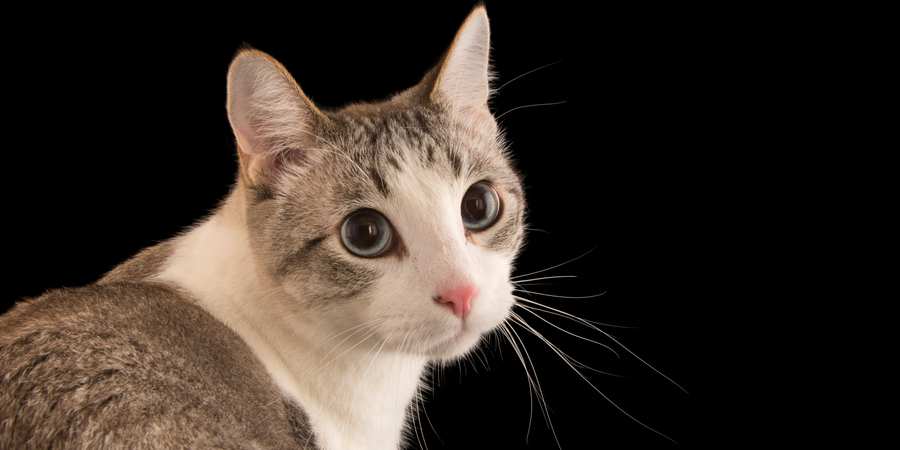
It’s essential to monitor your cat’s behavior and hydration if they have diarrhea but appear otherwise healthy.
Diarrhea in cats can be concerning, especially when they seem fine otherwise. The first instinct might be to panic, but understanding the underlying causes can help manage the situation effectively. Cats are notoriously good at hiding their discomfort, so it’s crucial to pay attention to any subtle changes in their behavior or habits.
The gastrointestinal system of a cat is delicate. Various factors can lead to diarrhea, ranging from dietary indiscretion to more serious health issues. When faced with the question, “What If My Cat Has Diarrhea But Seems Fine?”, it’s important to consider several aspects: diet, hydration, potential stressors, and underlying health conditions.
Understanding Cat Diarrhea
Diarrhea is defined as an increase in the frequency of bowel movements or a decrease in the consistency of feces. For cats, normal stool should be firm and formed. Diarrhea can manifest in various forms—from loose stools to liquid feces—and can occur intermittently or persistently.
When assessing what might be causing a cat’s diarrhea, it’s essential to consider both acute and chronic conditions. Acute diarrhea is often sudden in onset and usually resolves quickly, while chronic diarrhea persists for weeks or longer and may indicate underlying health issues.
Common Causes of Diarrhea in Cats
Several factors can lead to diarrhea in cats. Understanding these causes can help determine the appropriate course of action:
1. Dietary Changes: Sudden changes in diet can upset a cat’s digestive system. Introducing new foods too quickly may lead to gastrointestinal upset.
2. Food Intolerance or Allergies: Some cats may have sensitivities or allergies to specific ingredients in their food, leading to digestive issues.
3. Infections: Bacterial, viral, or parasitic infections can cause diarrhea. Common culprits include Giardia and certain strains of bacteria.
4. Stress: Changes in environment or routine—such as moving homes or introducing new pets—can stress a cat out and lead to digestive disturbances.
5. Underlying Health Issues: Conditions such as inflammatory bowel disease (IBD), hyperthyroidism, or pancreatitis may manifest as chronic diarrhea.
Identifying Symptoms Beyond Diarrhea
When considering what might be happening with a cat that has diarrhea but seems fine, it’s crucial to look for other symptoms that could indicate a more serious issue.
Behavioral Changes
Even if a cat appears physically fine—eating well and drinking water—they might exhibit subtle behavioral changes that warrant attention:
- Lethargy: A decrease in energy levels could indicate discomfort or illness.
- Changes in Appetite: Eating less than usual could signal an underlying problem.
- Increased Vocalization: More meowing than usual may indicate distress.
Physical Signs
Physical signs that accompany diarrhea should not be overlooked:
- Dehydration: Check for signs like dry gums or skin tenting (when you pinch the skin and it doesn’t return quickly).
- Fever: A higher-than-normal temperature might suggest an infection.
Monitoring Hydration Levels
Hydration is critical when dealing with diarrhea since it can lead to dehydration quickly in cats. Monitoring water intake is essential; some signs of dehydration include:
| Sign | Description |
|---|---|
| Dry Gums | Gums appear sticky or dry |
| Skin Tenting | Skin does not return quickly when pinched |
| Sunken Eyes | Eyes appear sunken into the skull |
If any of these signs are present, it’s vital to encourage fluid intake by providing fresh water regularly and considering offering electrolyte solutions designed for pets.
When Is It Time for the Vet?
The question “What If My Cat Has Diarrhea But Seems Fine?” often leads one down the path of self-diagnosis; however, knowing when professional help is necessary is crucial.
Seek veterinary care if any of the following occur:
- Diarrhea persists for more than 24 hours without improvement.
- There are additional symptoms like vomiting, lethargy, or loss of appetite.
- Signs of dehydration appear.
- The stool contains blood or mucus.
These symptoms could indicate a more serious condition requiring immediate attention.
The Importance of Fecal Analysis
If visiting the vet becomes necessary, they may recommend a fecal analysis. This test examines stool samples for parasites, bacteria, and other abnormalities that could explain your cat’s symptoms.
The vet will also likely conduct a thorough physical examination and possibly recommend blood tests or imaging studies if they suspect an underlying health issue.
Treatment Options for Diarrhea
Treatment for feline diarrhea depends on its cause. If it’s dietary-related, switching back to their previous food gradually may help alleviate symptoms. In cases where infections are involved, medications such as antibiotics might be necessary.
For mild cases without severe symptoms:
1. Dietary Adjustments: Introducing a bland diet consisting of boiled chicken and rice may help settle their stomachs temporarily.
2. Probiotics: These supplements can restore healthy gut flora.
3. Hydration Solutions: Offering electrolyte solutions designed for pets can prevent dehydration.
It’s always best practice to consult with a veterinarian before starting any treatment regimen at home.
Preventive Measures
Taking steps to prevent future episodes of diarrhea is vital once your cat has recovered from this bout.
Gradual Diet Changes
Introducing new foods should always be done gradually over several days to allow your cat’s digestive system time to adjust.
Regular Vet Check-Ups
Routine veterinary check-ups ensure that any potential health issues are caught early before they escalate into serious problems.
Stress Management Techniques
Minimizing stress through environmental enrichment—like providing plenty of toys and safe spaces—can help keep your feline friend calm and happy.
Conclusion – What If My Cat Has Diarrhea But Seems Fine?
Dealing with a cat that has diarrhea but seems fine requires careful observation and sometimes quick action. It’s essential not only to monitor their overall health but also pay close attention to hydration levels and behavioral changes. Knowing when professional assistance is needed can make all the difference in ensuring your furry friend remains healthy and happy.
Recognizing the signs early on allows for timely interventions that can prevent more severe complications down the line. Always prioritize communication with your veterinarian regarding ongoing concerns about your pet’s health; after all, they’re your best resource when facing uncertain situations involving your beloved feline companion!