
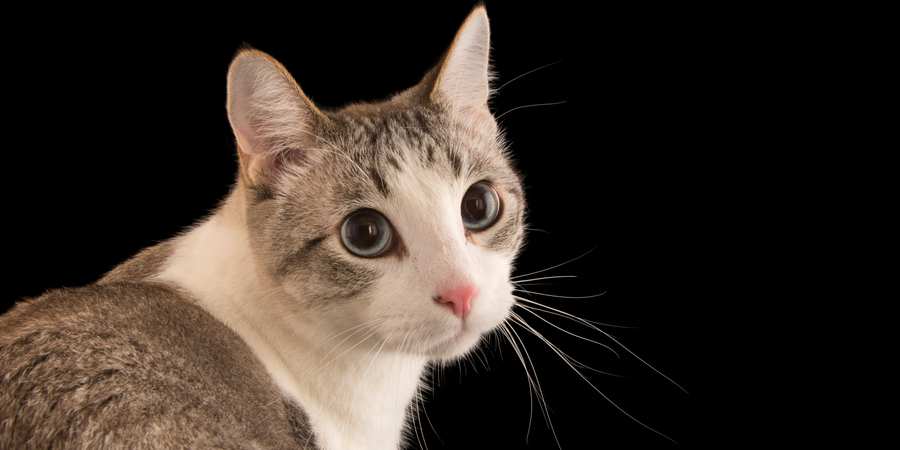
Pregnant cats can experience diarrhea due to hormonal changes, dietary shifts, or underlying health issues.
Pregnancy in cats, or queening as it’s often called, is a fascinating yet complex process that can bring about various changes in a feline’s body. One of the concerns that many cat owners face during this time is whether their pregnant cat might experience diarrhea. This condition can arise for several reasons, and understanding these can help ensure the health and well-being of both the mother and her kittens.
Understanding Diarrhea in Pregnant Cats
Diarrhea in pregnant cats can be alarming. It’s essential to recognize that while occasional loose stools may occur, persistent diarrhea warrants attention. Various factors contribute to this condition during pregnancy. Hormonal fluctuations are one of the primary reasons behind gastrointestinal changes. As the body adjusts to support the growing kittens, digestive processes may become disrupted.
A change in diet is another significant factor. Pregnant cats often require different nutritional needs compared to their non-pregnant counterparts. If a sudden switch to a new food occurs without a gradual transition, it could lead to gastrointestinal upset and diarrhea. Owners should always introduce new foods slowly to minimize digestive disturbances.
Moreover, pregnant cats are more susceptible to infections and parasites due to their altered immune systems. Intestinal parasites like roundworms or giardia can lead to diarrhea and pose risks not only to the mother but also to her developing kittens. Regular veterinary check-ups during pregnancy help identify and treat these issues promptly.
Common Causes of Diarrhea in Pregnant Cats
Identifying the cause of diarrhea is crucial for effective treatment. Some common causes include:
- Dietary Changes: Sudden shifts in food can upset a cat’s stomach.
- Hormonal Changes: Pregnancy hormones can affect digestion.
- Infections: Bacterial or viral infections may lead to gastrointestinal disturbances.
- Parasites: Infestations by worms or protozoa are more common during pregnancy.
- Stress: Changes in environment or routine can lead to anxiety-induced diarrhea.
The Role of Diet
A proper diet is crucial for pregnant cats. Nutritional needs change significantly during pregnancy, with increased requirements for protein, vitamins, and minerals. It’s essential for cat owners to provide high-quality commercial cat food formulated specifically for pregnant or nursing cats. These foods contain balanced nutrients necessary for healthy fetal development.
If a cat owner decides to switch foods during pregnancy, it’s advisable to do so gradually over several days. This helps prevent digestive upsets that could lead to diarrhea. Mixing the new food with the old one allows the cat’s digestive system time to adjust without resulting in an upset stomach.
The Importance of Hydration
Diarrhea can lead to dehydration, especially if it persists over several days. Pregnant cats need adequate hydration not only for their own health but also for their developing kittens. It’s vital that fresh water is always available and monitored regularly. If diarrhea occurs, ensuring that the cat drinks enough water is crucial; otherwise, electrolyte imbalances could arise.
| Cause | Description | Treatment Approach |
|---|---|---|
| Dietary Changes | Sudden food switches causing digestive upset. | |
| Hormonal Changes | Pregnancy hormones affecting gut motility. | No specific treatment; monitor symptoms; maintain a balanced diet. |
| Infections | Bacterial or viral pathogens leading to GI issues. | Veterinary examination; possible antibiotics or supportive care. |
| Parasites | Intestinal worms affecting digestion and absorption. | Deworming medication as prescribed by a vet. |
| Stress | Anxiety from environmental changes leading to loose stools. | Create a calm environment; consider pheromone diffusers if necessary. |
The Risks Associated with Diarrhea During Pregnancy
The risks of untreated diarrhea in pregnant cats can be significant. Dehydration is one of the most immediate concerns; it can quickly become life-threatening if not addressed promptly. Dehydration affects not just the mother but also her unborn kittens, potentially leading to complications such as low birth weight or stillbirths if severe enough.
Nutritional deficiencies may also arise due to malabsorption from persistent diarrhea. The developing fetuses rely on their mother’s nutritional intake for growth and development; therefore, any disruption could have lasting effects on their health post-birth as well as their overall viability during gestation.
When To Consult A Veterinarian
If a pregnant cat experiences diarrhea lasting more than a day or two, consulting a veterinarian becomes essential. Signs warranting immediate veterinary attention include:
- Persistent vomiting alongside diarrhea
- Sudden onset of lethargy or weakness
- Bloody stools or unusual color changes in feces
- Lack of appetite lasting more than a day
A veterinarian will perform an examination and may recommend diagnostic tests such as fecal examinations or blood tests to determine underlying causes effectively. Early intervention often leads to better outcomes both for the mother and her kittens.
Caring For A Pregnant Cat With Diarrhea
Caring for a pregnant cat experiencing diarrhea involves close monitoring and supportive care measures at home while awaiting veterinary advice or intervention if needed:
- Mild Diet: A bland diet consisting of boiled chicken (no skin) mixed with plain rice may help soothe an upset stomach while providing some nutrition until symptoms resolve.
- Avoid Stress: Create a quiet space where she feels safe away from loud noises or other pets.
- Paw-tential Probiotics: If recommended by your vet, probiotics may help restore healthy gut flora.
The Role of Probiotics During Pregnancy
The use of probiotics has gained popularity among pet owners looking for ways to support gut health naturally—especially during times like pregnancy when digestive issues might arise more frequently than usual.
This beneficial bacteria works by restoring balance within the intestines after disturbances caused by factors like dietary changes or infections.
If considering probiotics for your pregnant cat suffering from diarrhea consult with your veterinarian first regarding appropriate types & dosages based on individual needs & circumstances!
Preventive Measures To Avoid Diarrhea In Pregnant Cats
You might wonder how best you can prevent future episodes of diarrhea during your cat’s pregnancy! Here are some strategies that could prove effective:
- Nutritional Planning: Select high-quality commercial diets designed specifically for pregnant/nursing queens.
- Smooth Transitions: Avoid abrupt dietary changes by gradually introducing new foods over time.
- Pest Control: Maintain regular deworming schedules alongside vet check-ups before conception & throughout gestation periods!
The Importance Of Regular Vet Check-Ups During Pregnancy
The importance of regular veterinary check-ups cannot be overstated when it comes down caring effectively throughout every stage including pregnancy itself!
Your vet will monitor weight gain/loss trends along with overall health assessments ensuring all necessary vaccinations are up-to-date while also performing fecal examinations screening out potential parasite infestations early on!
Conclusion – Do Pregnant Cats Get Diarrhea?
Pregnancy brings many changes—and with them—the possibility of experiencing occasional bouts of diarrhea among other symptoms! Understanding what causes this condition allows owners better manage situations effectively ensuring both momma & her little ones remain healthy throughout gestation periods!
If any concerning signs arise don’t hesitate reaching out towards qualified professionals who specialize within feline care—your beloved pet deserves nothing less than optimal support throughout every stage including those precious moments leading up into motherhood itself!