
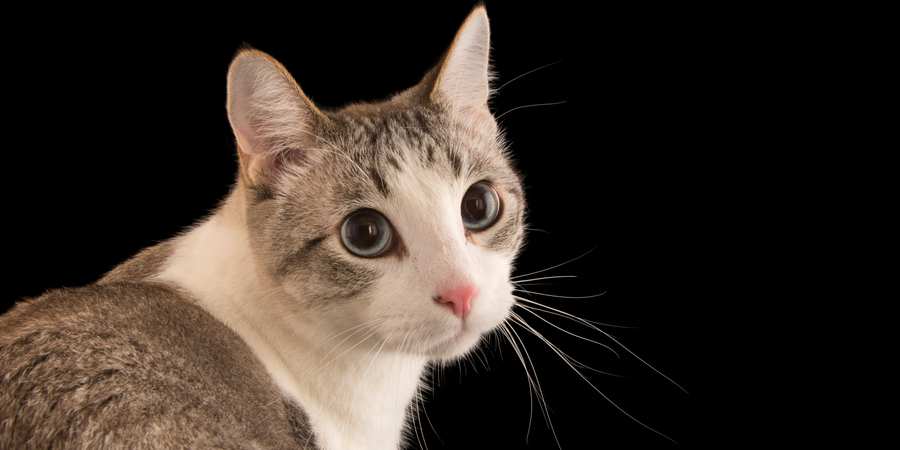
While Yakult is safe for cats in small amounts, it’s best to consult a vet before introducing it to their diet.
Cats are curious creatures, and their inquisitive nature often leads them to explore different foods. As a cat owner, it’s only natural to wonder about the safety of certain human foods for your feline friend. One such food that often piques interest is Yakult, a popular probiotic drink. Can I give Yakult to my cat? This question arises frequently among pet owners who want to ensure their pets receive the best nutrition possible.
Yakult contains beneficial probiotics that can aid digestion in humans, but how does this translate to our furry companions? The gut health of cats is crucial for their overall well-being, and understanding the implications of introducing human foods into their diet is essential.
The Basics of Yakult
Yakult is a fermented milk drink that originated in Japan. It’s well-known for its high concentration of Lactobacillus casei Shirota, a strain of beneficial bacteria that helps maintain gut health. The drink is often marketed as a way to improve digestion and boost the immune system in humans. Packed with vitamins and minerals, it’s no wonder people are curious about its potential benefits for their pets.
However, cats have different dietary needs compared to humans. Their digestive systems are adapted to process animal proteins rather than dairy products or sugary drinks. While some cats may tolerate small amounts of dairy, many are lactose intolerant. This means they can’t effectively break down lactose, leading to digestive upset.
Nutritional Composition of Yakult
To understand whether Yakult could be beneficial for cats, examining its nutritional composition is crucial.
| Nutrient | Per 100ml |
|---|---|
| Calories | 50 kcal |
| Total Fat | 0 g |
| Sugars | 11 g |
| Protein | 1 g |
| Lactobacillus casei Shirota | 6.5 billion CFU |
While the probiotics present in Yakult may offer benefits, the sugar content raises concerns when considering feline health. Cats do not require carbohydrates in their diet as they are obligate carnivores. High sugar intake can lead to obesity and diabetes in cats.
The Role of Probiotics for Cats
Probiotics play an essential role in maintaining gut health not just for humans but also for cats. They help balance the gut microbiome, which can be disrupted by factors such as stress, illness, or dietary changes. A healthy gut contributes to better digestion and absorption of nutrients.
Several veterinary products contain probiotics specifically formulated for cats. These products are designed with feline dietary needs in mind and often come in flavors that appeal more to them than a yogurt drink would.
Signs Your Cat May Need Probiotics
Understanding when your cat may benefit from probiotics can help determine if introducing something like Yakult could be worthwhile:
- Digestive Issues: If your cat experiences diarrhea or constipation regularly, it may indicate an imbalance in gut bacteria.
- Recent Antibiotic Use: Antibiotics can wipe out both harmful and beneficial bacteria in your cat’s gut.
- Dietary Changes: Sudden changes in diet can upset a cat’s digestive system.
- Stressful Events: Moves or changes in routine can affect gut health.
If any of these signs are present, consulting a veterinarian before making dietary changes is wise.
Can I Give Yakult To My Cat? Understanding Risks and Benefits
So, can I give Yakult to my cat? The answer isn’t straightforward; while there are potential benefits due to the probiotic content, there are also risks associated with introducing this drink into a cat’s diet.
First off, moderation is key. A tiny amount might not harm your cat; however, it’s essential to consider how your individual pet reacts to new foods. Some cats might enjoy the taste while others may refuse it outright or experience gastrointestinal upset.
The high sugar content poses another risk; excessive sugar intake could lead to obesity or diabetes over time if given regularly.
Alternatives to Yakult for Cats
Instead of reaching for Yakult when considering probiotics for your cat’s diet, several alternatives exist that cater specifically to feline needs:
1. Probiotic Supplements: These come in powder or capsule form designed explicitly for cats.
2. Probiotic Treats: Some brands offer treats infused with probiotics that appeal more directly to felines.
3. Plain Yogurt: If your cat tolerates dairy well (which many do not), plain yogurt without added sugars might be an option.
4. Fermented Foods: Small amounts of fermented vegetables like sauerkraut (without onions) could provide some benefits if your cat enjoys them.
Always consult a veterinarian before introducing any new food into your pet’s diet.
How To Introduce New Foods Safely
Introducing new foods requires caution regardless of whether it’s Yakult or any other item on the menu:
- Start Small: Offer just a tiny amount at first—perhaps just a few drops—to see how your cat reacts.
- Observe Reactions: Watch closely for any signs of digestive distress such as vomiting or diarrhea.
- Gradual Introduction: If all goes well after several days with no adverse reactions, gradually increase the amount while monitoring closely.
Taking these steps ensures you’re prioritizing your cat’s health while exploring new dietary options.
The Importance of Veterinary Guidance
Before making any significant changes to a pet’s diet—especially one involving human food—consulting with a veterinarian is paramount. They can provide insights tailored specifically to your pet’s health status and nutritional needs.
Veterinarians can also recommend appropriate probiotic products designed explicitly for felines that ensure safety and efficacy without unnecessary risks associated with human foods like Yakult.
Conclusion – Can I Give Yakult To My Cat?
In conclusion, while the question “Can I give Yakult to my cat?” may arise out of good intentions regarding gut health and nutrition, it’s vital to approach this matter with caution. The potential benefits from probiotics must be weighed against the risks posed by high sugar content and possible lactose intolerance.
Choosing alternatives specifically formulated for feline needs is often safer and more effective than introducing human foods into their diets without guidance from professionals who understand animal nutrition best.
Ultimately prioritizing your feline friend’s health will lead you toward making informed decisions about their dietary choices!