
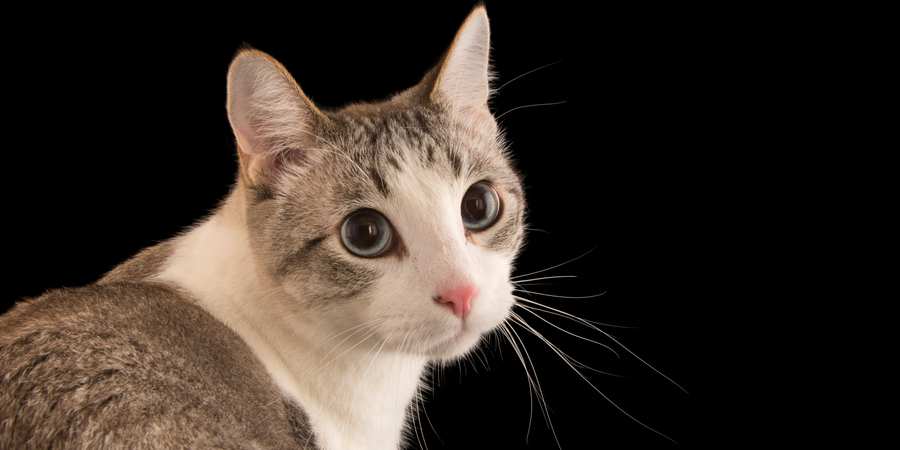
Diarrhea in cats can stem from various factors, including dietary changes, infections, and underlying health issues.
Understanding Diarrhea in Cats
Diarrhea is more than just an inconvenience for our feline friends; it can signal a range of health issues that require attention. The digestive system of a cat is delicate, and any disruption can lead to loose stools. Understanding what causes diarrhea in cats is essential for any cat owner. It’s not just about the mess; it’s about their health and well-being.
Cats can experience diarrhea for a variety of reasons. Some causes are minor and may resolve on their own, while others indicate serious health problems that need immediate veterinary care. From dietary indiscretion to infections, the reasons behind diarrhea can be numerous. Knowing these causes helps in identifying the right course of action.
Common Causes of Diarrhea
There are several common causes of diarrhea in cats. Each cause has its own set of symptoms and potential treatments. Here’s a breakdown:
Dietary Changes
Cats are creatures of habit, especially regarding their diet. Sudden changes in food can upset their digestive systems. Whether it’s switching brands or introducing new treats, any alteration can lead to gastrointestinal upset. This is often seen when a cat transitions from one type of food to another without a gradual introduction.
If the new food contains different ingredients or higher levels of fiber or fat than they’re used to, it may not sit well with them. Gradually mixing the new food with the old over several days can help ease this transition.
Food Intolerances and Allergies
Some cats may develop intolerances or allergies to specific ingredients in their diet. Common allergens include dairy products, fish, and certain grains. Symptoms often manifest as diarrhea, vomiting, or excessive itching.
Identifying food allergies requires careful observation and sometimes elimination diets under veterinary guidance. Once an allergen is identified, avoiding it becomes crucial for maintaining your cat’s digestive health.
Infections
Infections caused by bacteria, viruses, or parasites are another leading cause of diarrhea in cats. Bacterial infections like salmonella or E. coli can originate from contaminated food or water sources. Viral infections such as feline panleukopenia also lead to severe gastrointestinal symptoms.
Parasites like giardia or worms can wreak havoc on a cat’s intestines, causing frequent loose stools and other gastrointestinal issues. Regular veterinary check-ups and fecal examinations help ensure your cat remains parasite-free.
Stress and Anxiety
Believe it or not, stress can lead to diarrhea in cats! Changes in the environment—such as moving homes, introducing new pets, or even loud noises—can trigger anxiety responses that affect digestion. Stress-induced diarrhea might not require medication but rather a calming approach.
Providing a stable environment and creating safe spaces for your cat can alleviate some stressors that might contribute to digestive upset.
Underlying Health Issues
More serious underlying health conditions can also cause diarrhea in cats. Diseases affecting the liver, kidneys, or pancreas may disrupt normal digestive functions leading to diarrhea as a symptom.
Conditions like inflammatory bowel disease (IBD) are chronic issues that require ongoing management through diet and medication. Regular veterinary visits become crucial for monitoring these conditions.
Recognizing Symptoms Beyond Diarrhea
While loose stools are the primary symptom associated with diarrhea in cats, other signs often accompany this condition that may indicate more severe problems:
- Vomiting: Frequent vomiting alongside diarrhea can indicate an infection or toxicity.
- Lethargy: A lack of energy may signify dehydration or systemic illness.
- Weight Loss: Unexpected weight loss over time should prompt immediate veterinary consultation.
- Dehydration: Signs include dry gums and decreased skin elasticity; dehydration is particularly concerning with ongoing diarrhea.
Recognizing these symptoms early helps ensure timely intervention before conditions worsen.
Treatment Options for Diarrhea in Cats
Treatment for diarrhea largely depends on its underlying cause. Here’s how different scenarios might be addressed:
Dietary Management
When dietary changes trigger diarrhea, reverting to the previous diet usually resolves the issue within a day or two. For food allergies or intolerances identified through elimination diets, switching to hypoallergenic formulas becomes necessary.
Veterinarians often recommend bland diets temporarily—such as boiled chicken and rice—to allow the digestive system to rest before gradually reintroducing regular food.
Medications
In cases where infections are present, antibiotics may be prescribed by a veterinarian based on diagnostic tests. For parasitic infections, deworming medications will clear up any infestations quickly.
Over-the-counter medications should never be given without consulting a vet first; some human medications are toxic to cats!
Hydration Support
Maintaining hydration is crucial during episodes of diarrhea since fluid loss can quickly lead to dehydration—a potentially life-threatening condition. Offering fresh water at all times helps encourage fluid intake.
In severe cases where dehydration occurs rapidly due to persistent vomiting and diarrhea, intravenous fluids might be necessary at the vet’s office for rehydration therapy.
The Role of Probiotics
Probiotics have gained popularity as beneficial supplements for gut health not only in humans but also in pets! They help restore balance within the intestinal microbiome after disturbances caused by illness or dietary changes.
Introducing probiotics into your cat’s diet may help prevent future episodes of diarrhea by promoting healthy digestion and gut flora balance. Always consult with your veterinarian before starting any new supplements for your pet.
Preventative Measures
Prevention is always better than cure! Taking proactive steps helps reduce the likelihood of experiencing what causes diarrhea in cats:
- Gradual Food Transitions: Always introduce new foods slowly over several days.
- Regular Vet Check-ups: Routine examinations help catch potential health issues early.
- Hygiene Practices: Keeping feeding areas clean prevents bacterial contamination.
- Stress Reduction: Creating a calm environment minimizes stress-related digestive problems.
Establishing these habits contributes significantly toward maintaining overall feline health while minimizing gastrointestinal distress.
The Importance of Veterinary Care
Whenever concerns arise regarding your cat’s health—especially if they experience persistent diarrhea—seeking professional advice from a veterinarian is paramount! They possess the expertise required to diagnose underlying conditions effectively through physical examinations along with diagnostic tests such as blood work or fecal analysis when needed.
Veterinarians play an essential role not only in treating illnesses but also educating owners about preventive measures tailored specifically for each pet’s needs!
Conclusion – What Causes Diarrhea In Cats?
Understanding what causes diarrhea in cats involves recognizing various factors ranging from dietary indiscretion to underlying health issues requiring immediate attention! By being observant about changes in behavior and stool consistency while taking proactive steps towards prevention through proper care practices ensures our feline companions remain healthy!
Taking time now will save heartache later down the road; after all—they rely on us entirely for their well-being!