
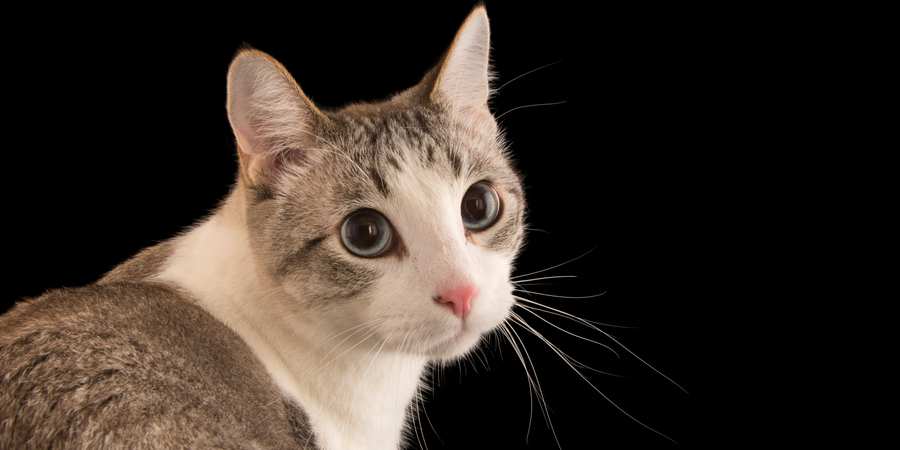
Runny cat stool can indicate various health issues, including dietary changes, infections, or parasites.
Understanding why a cat’s stool may be runny is crucial for any cat owner. Cat owners often find themselves puzzled when they notice changes in their feline friend’s bathroom habits. One of the most concerning issues is runny stool, which can signal underlying health problems. A cat’s digestive system is sensitive, and many factors can contribute to changes in stool consistency. This article delves into the various reasons behind why a cat’s poo might be so runny and offers insights into how to address these concerns effectively.
The Basics of Cat Digestion
A cat’s digestive system is designed to process high-protein diets, which are essential for their overall health. Unlike humans, cats are obligate carnivores, meaning their bodies rely heavily on animal proteins. The digestive process begins in the mouth, where enzymes start breaking down food. From there, it moves to the stomach and then to the intestines, where nutrients are absorbed and waste is formed into stool.
The final product—a healthy, firm stool—depends on several factors, including diet, hydration levels, and overall health. Any disruption in this process can lead to loose stools or diarrhea. Understanding the anatomy of a cat’s digestive system helps in identifying potential issues when runny stool occurs.
Common Causes of Runny Stool in Cats
Several factors can lead to a cat experiencing runny stool. Identifying these causes can help determine the best course of action.
Dietary Changes
Cats are creatures of habit when it comes to their diet. A sudden change in food—whether it’s a new brand or type of food—can upset their stomachs. Cats may react negatively to ingredients they aren’t used to or may have allergies to certain components like grains or specific proteins. It’s essential to gradually introduce any new food over several days to avoid gastrointestinal upset.
Food Intolerance and Allergies
Similar to humans, cats can develop food intolerances or allergies that manifest as gastrointestinal distress. Common allergens include beef, dairy products, fish, and certain grains. If a cat has an intolerance or allergy, its body may react by producing runny stools as it struggles to process the offending ingredient.
Infections
Bacterial infections like Salmonella or E.coli can lead to severe gastrointestinal issues in cats. These infections often result from consuming contaminated food or water. Symptoms may include not only runny stools but also vomiting and lethargy. If an infection is suspected, immediate veterinary attention is necessary.
Parasites
Intestinal parasites such as worms (e.g., roundworms or tapeworms) can cause significant digestive issues in cats. These parasites feed off the nutrients in a cat’s intestines and can lead to diarrhea or runny stools as well as other symptoms like weight loss and poor coat condition. Regular deworming and fecal checks at the vet are crucial for maintaining a parasite-free environment.
Stress and Anxiety
Cats are sensitive creatures that thrive on routine and stability. Changes in their environment—like moving homes, new pets, or changes in family dynamics—can lead to stress-induced gastrointestinal upset. Stress can trigger diarrhea as part of a fight-or-flight response; thus recognizing behavioral signs of stress is important for addressing this issue.
Symptoms Accompanying Runny Stool
Runny stool doesn’t usually occur in isolation; it often comes with other symptoms that can provide clues about the underlying issue.
| Symptom | Description |
|---|---|
| Vomiting | This can indicate an upset stomach due to dietary indiscretion or infection. |
| Lethargy | A lack of energy may suggest illness that needs medical attention. |
| Lack of Appetite | If a cat refuses food along with having runny stools, it’s time for a vet visit. |
| Weight Loss | This could indicate prolonged illness or malabsorption issues due to parasites. |
| Bloating | Can signify gas buildup from dietary issues or infections affecting digestion. |
Treatment Options for Runny Stool
Treating runny stool involves identifying its cause first. Once the underlying issue is determined, appropriate treatment options can be pursued.
Dietary Adjustments
If dietary changes are suspected as the culprit behind why my cat’s poo is so runny, reverting back to previous foods may help stabilize stool consistency. Additionally, introducing a bland diet consisting of boiled chicken and rice can provide relief while allowing the digestive system time to recover from irritation caused by sudden dietary changes.
Medications for Infections and Parasites
If infections or parasites are diagnosed through veterinary examination (which may include fecal tests), appropriate medications will be necessary. Antibiotics may be prescribed for bacterial infections while antiparasitic drugs will be administered if worms are present. Following treatment protocols diligently ensures recovery while preventing reinfection.
Probiotics play an essential role in restoring gut health after episodes of diarrhea caused by dietary indiscretion or stress-related issues. These beneficial bacteria help restore balance within the intestinal flora promoting better digestion moving forward.
The Importance of Hydration
A vital aspect often overlooked during episodes of loose stools is hydration status since diarrhea leads directly toward dehydration risk due excessive fluid loss through watery feces! Ensuring access fresh water at all times helps maintain hydration levels during recovery periods; adding electrolyte solutions specifically designed for pets also aids rehydration efforts if needed!
Preventive Measures Against Runny Stool Issues
Taking preventive measures significantly reduces chances encountering future episodes regarding why my cat’s poo might become so runny again! Regular veterinary check-ups ensure early detection potential problems before they escalate further down road toward more serious complications!
Nutritional Consistency Matters!
Selecting high-quality pet foods formulated particularly feline needs ensures balanced nutrition while minimizing risks associated with sudden changes diets! Avoid switching brands abruptly unless absolutely necessary; instead opt gradual transition over period days allowing bodies adjust slowly without distress!
Mental Well-Being Counts Too!
Cats thrive within stable environments free from excessive stressors; providing enriching surroundings filled playtime opportunities fosters happiness reducing likelihood anxiety-related gastrointestinal disturbances arise later down line!
Conclusion – Why Is My Cat’s Poo So Runny?
The reasons behind why my cat’s poo is so runny range from dietary changes and infections through stress-induced reactions among others! Identifying root causes remains key towards effective treatment options available ensuring swift recovery while maintaining optimal health long-term! Regular veterinary visits coupled with preventive measures taken seriously reduce risks associated future occurrences helping keep furry friends happy healthy throughout lives ahead!